
Introduction to Dubai City Guide
Overview of Dubai’s Unique Appeal
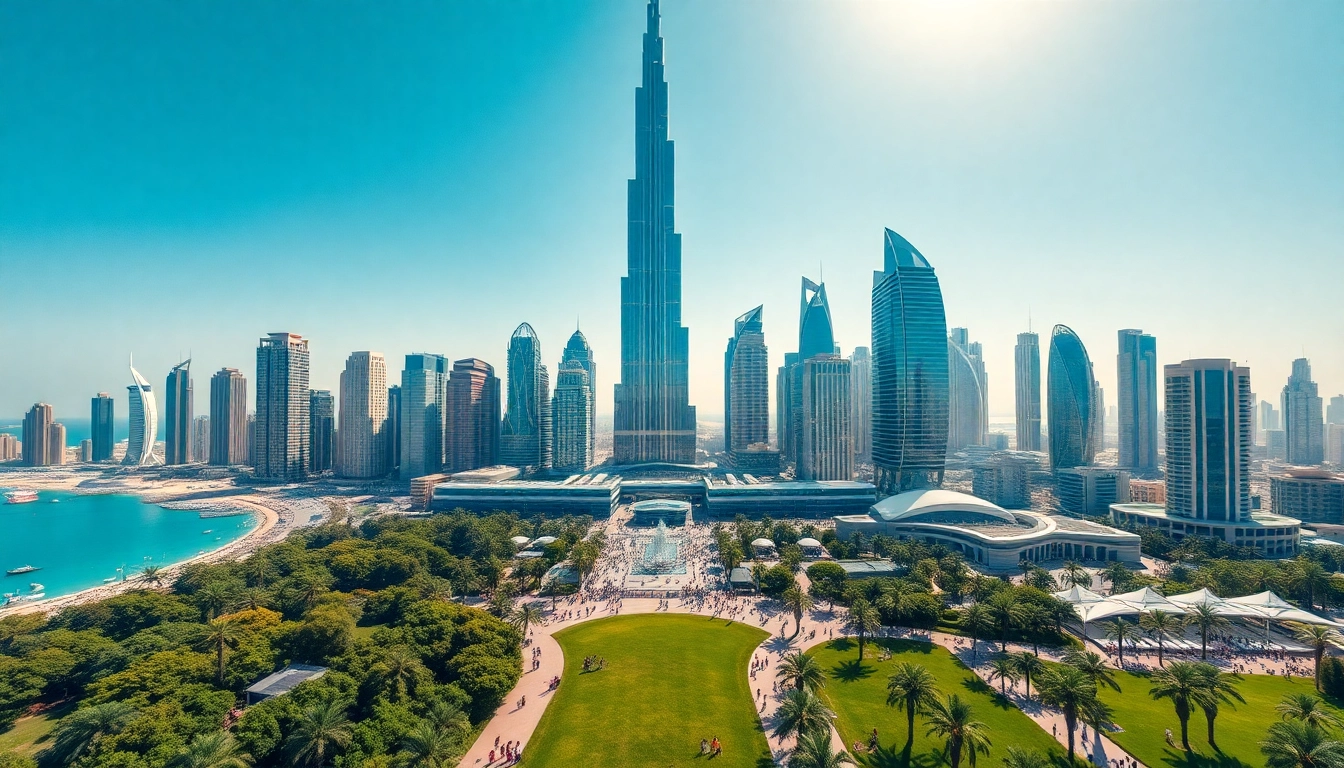
Dubai, a dazzling gem nestled in the heart of the UAE, captivatingly marries tradition with technological advancement. This cosmopolitan city is famed for its skyline that features architectural marvels like the Burj Khalifa, the world’s tallest building. Rich with cultural diversity, glamorous shopping experiences, and exceptional entertainment, Dubai offers something for everyone. As you navigate through the Dubai City Guide, you’ll discover its multifaceted charm, ranging from its opulent malls to serene desert landscapes.
Historical Background and Development
Dubai’s history traces back to humble beginnings as a small fishing village in the early 18th century, which has transformed over the decades into a global powerhouse. The discovery of oil in the 1960s was a pivotal moment that spurred modernization, fueling infrastructural growth and attracting international investments. Such developments laid the foundational bricks for what would become one of the world’s most visited cities.
Dubai’s strategic location as a trade hub further propelled its growth. The city embraced economic diversification in the late 20th century, expanding its reputation beyond oil to sectors such as tourism, aviation, and real estate. Today, Dubai stands as a beacon of innovation and luxury, merging traditional Arab culture with futuristic aspirations.
Current Cultural Landscape
Today, Dubai boasts a vibrant cultural scene that reflects its diversity. With over 200 nationalities residing in the emirate, the city welcomes festivals, art exhibitions, and culinary events from around the globe. The fusion of cultures is palpable in the lively souks, contemporary art galleries, and cultural initiatives that promote heritage. The Dubai Opera, a marvel of architectural sophistication, serves as a cultural nucleus, showcasing performances from opera to ballet, appealing to a wide range of audiences.
Moreover, with numerous museums like the Etihad Museum and cultural neighborhoods such as Al Fahidi, visitors can immerse themselves in the rich history and traditions of the UAE. This unique blend of cultures enriches the tapestry of life in Dubai, rendering every visit a culturally enriching experience.
Top Attractions in Dubai City Guide
Landmarks Everyone Must See
No trip to Dubai would be complete without visiting its iconic landmarks. Starting with the Burj Khalifa, standing at a staggering 828 meters, it offers unparalleled views of the city from its observation decks. Following this, the lavish Dubai Mall with over 1,200 shops provides a shopping experience that’s hard to rival, complete with an indoor ice rink and aquarium.
Another must-see is the Palm Jumeirah, an artificial archipelago that exemplifies human ingenuity. The Atlantis, The Palm resort features a water park and an aquarium that immerses visitors in a world of marine wonder. Lastly, the historic Dubai Creek, with its traditional abra rides and the spice and gold souks, offers a glimpse into the city’s origins and must be explored to appreciate the full breadth of Dubai’s allure.
Outdoor Experiences and Hidden Gems
Beyond the glitz and glamour, Dubai is replete with outdoor activities and hidden treasures. The Dubai Desert Conservation Reserve invites adventurers for dune bashing, camel riding, and star-gazing in the serene desert landscape. Meanwhile, the Ras Al Khor Wildlife Sanctuary is less known but equally remarkable, providing a refuge for flamingos and diverse fauna.
For a breathtaking view, hike the Hatta Mountain trails, highlighting the natural beauty of the region. Coffee lovers should also visit the Dubai Coffee Museum, tucked away in the Al Fahidi historical neighborhood, which educates visitors about the history and significance of coffee in Middle Eastern culture. These experiences unveil a side of Dubai that balances its urban persona with untamed nature.
Cultural Centers and Museums
Dubai’s cultural landscape is further enriched by its numerous cultural centers and museums. The Dubai Museum, housed in the Al Fahidi Fort, offers a comprehensive look at the emirate’s past and present, detailing its transformation and cultural heritage. The recently inaugurated Museum of the Future stands as a testimony to Dubai’s commitment to innovation, showcasing the latest advancements and offering insights into future technologies.
The Sharjah Art Foundation, located nearby, offers a cross-border cultural experience with rotating exhibitions focusing on contemporary art from the Arab world and beyond. Such spaces foster creativity and invite dialogues that challenge perceptions, making them essential stops on your cultural journey in Dubai.
Essential Tips for Travelers Using Dubai City Guide
Best Times to Visit Dubai
The optimal time to visit Dubai is during the cooler months, from November to April, when temperatures are more comfortable for outdoor activities and sightseeing. Major events, such as the Dubai Shopping Festival and the Dubai Food Festival, also occur during this period, providing additional reasons to visit. Avoiding the sweltering summer heat ensures a pleasant experience, free from extreme temperatures.
Transportation Options and Navigation
Dubai’s public transportation is efficient and user-friendly, essential for navigating the city. The Dubai Metro links key areas and is an economical choice for travelers. Taxis and ride-hailing services are plentiful and generally affordable. Visitors should also consider the Nol card, which facilitates seamless travel across public transport options, while enabling easy navigation without hassle.
Furthermore, the city’s layout makes it easy to discover landmarks on foot, especially in areas like Downtown Dubai, where most attractions are concentrated. For a unique perspective, consider taking an abra ride across the Dubai Creek, which offers a serene experience amidst the bustling city.
Cultural Etiquette and Local Customs
Understanding local customs is vital for a respectful experience in Dubai. As a predominantly Muslim country, visitors should dress modestly, particularly in public spaces and religious sites. It’s important to respect the local customs, such as refraining from eating in public during Ramadan, and using polite greetings. Engaging in conversations about politics and religion should also be approached cautiously, as cultural sensitivity is paramount.
Moreover, tipping is customary in Dubai, with an expectation of around 10-15% in restaurants. A little knowledge about local traditions can go a long way in fostering a positive rapport with residents, enhancing your overall experience.
Dining and Nightlife Recommendations in Dubai City Guide
Top Restaurants for All Cuisines
Dubai’s dining scene encapsulates a world of flavors, representing global cuisines that tantalize any palate. For an unforgettable Fine Dining experience, visit At.mosphere located on the 122nd floor of Burj Khalifa, offering gourmet cuisine coupled with stunning views. Alternatively, indulge in the authentic flavors of the Middle East at Al Nafoorah or experience the culinary artistry at Zuma, which presents a modern Japanese twist.
For those partial to a casual dining experience, the waterfront dining options at The Beach at JBR feature a mix of international chains and local eateries. From food trucks offering quick bites to upscale restaurants with ocean views, the variety ensures that there is something for everyone.
Bustling Nightlife Spots
As the sun sets, Dubai’s nightlife comes alive with vibrant energy. The city’s club scene is electric, with venues like White Dubai surpassing expectations in ambiance and entertainment. Additionally, rooftop bars like the Barasti Beach Bar combine stunning views with lively atmospheres, providing excellent spots for relaxation.
Dubai’s luxurious hotel bars also serve as hotspots for premium cocktails and social meetings. For a different flavor, explore the traditional embraces of historic venues like the Arabian Tea House, where you can unwind while savoring local entertainment and cuisine.
Unique Food Experiences
Beyond traditional dining, Dubai is home to unique food experiences that heighten the culinary journey. The Dubai Food Festival, typically held annually, blends food culture with festivities, offering a plethora of pop-up concepts and gourmet events. For a unique culinary treat, consider a desert dinner, where gourmet dishes are served under the starlit sky.
Furthermore, cooking classes centered around Emirati cuisine offer an engaging way to learn and savor the dishes that define the region, creating memories that go beyond mere consumption.
Planning Your Stay with the Dubai City Guide
Where to Stay: Best Neighborhoods
Dubai offers numerous neighborhoods catering to various preferences and budgets. Downtown Dubai is ideal for those who wish to be close to major attractions like the Burj Khalifa and Dubai Mall. For beach lovers, Jumeirah Beach Residence (JBR) provides beachfront access alongside restaurants and shops.
For a more traditional experience, Al Fahidi offers a glimpse into Dubai’s cultural side with art galleries and heritage sites. Budget travelers may explore the Al Barsha and Deira districts, which offer affordable accommodations without sacrificing access to attractions and amenities.
Budgeting for Your Trip
Budget planning is crucial for maximizing your Dubai experience. Depending on your lifestyle choices, a daily budget ranging from moderate to lavish can be established. Costs for accommodations can vary significantly, so utilizing online price comparison tools is advisable. Attractions like the Dubai Aquarium may have high entry fees, but many affordable or free experiences, such as exploring public beaches or walking through parks, can help balance expenses.
Dining offers both luxury and budget-friendly options, ensuring you can experience quality meals regardless of budgetary constraints. Finally, accounting for transport, souvenirs, and perhaps a luxury experience can give a more comprehensive financial outlook for your trip.
Safety Tips and Health Precautions
Dubai is often recognized as one of the safest cities in the world for tourists. However, it’s essential to remain cautious, adhere to local laws, and respect cultural norms. In light of health, travelers are encouraged to stay hydrated, especially during outdoor activities in warmer months. As vaccinations may be required, consulting a healthcare professional before traveling is advisable.
Maintaining travel insurance is prudent for coverage in unforeseen events, from health issues to theft. Understanding the emergency service numbers and being aware of your surroundings can also enhance your safety as you explore this magnificent city.
Frequently Asked Questions
What is the best way to get around Dubai?
The Dubai Metro is the most efficient way to navigate the city. Taxis and ride-hailing services are also widely available and affordable for convenience.
Do I need to dress conservatively in Dubai?
Yes, while Dubai is more liberal than other UAE cities, modest dressing is appreciated, especially in public places and religious sites.
Is alcohol available in Dubai?
Yes, but it can only be consumed in licensed venues such as hotels, bars, and private clubs. Public intoxication is illegal.
What currencies are accepted in Dubai?
The primary currency in Dubai is the United Arab Emirates Dirham (AED). Credit cards are commonly accepted as well.
Are there any cultural restrictions I should be aware of?
Respecting local customs is crucial, including refraining from public displays of affection, especially during Ramadan and in religious sites.