
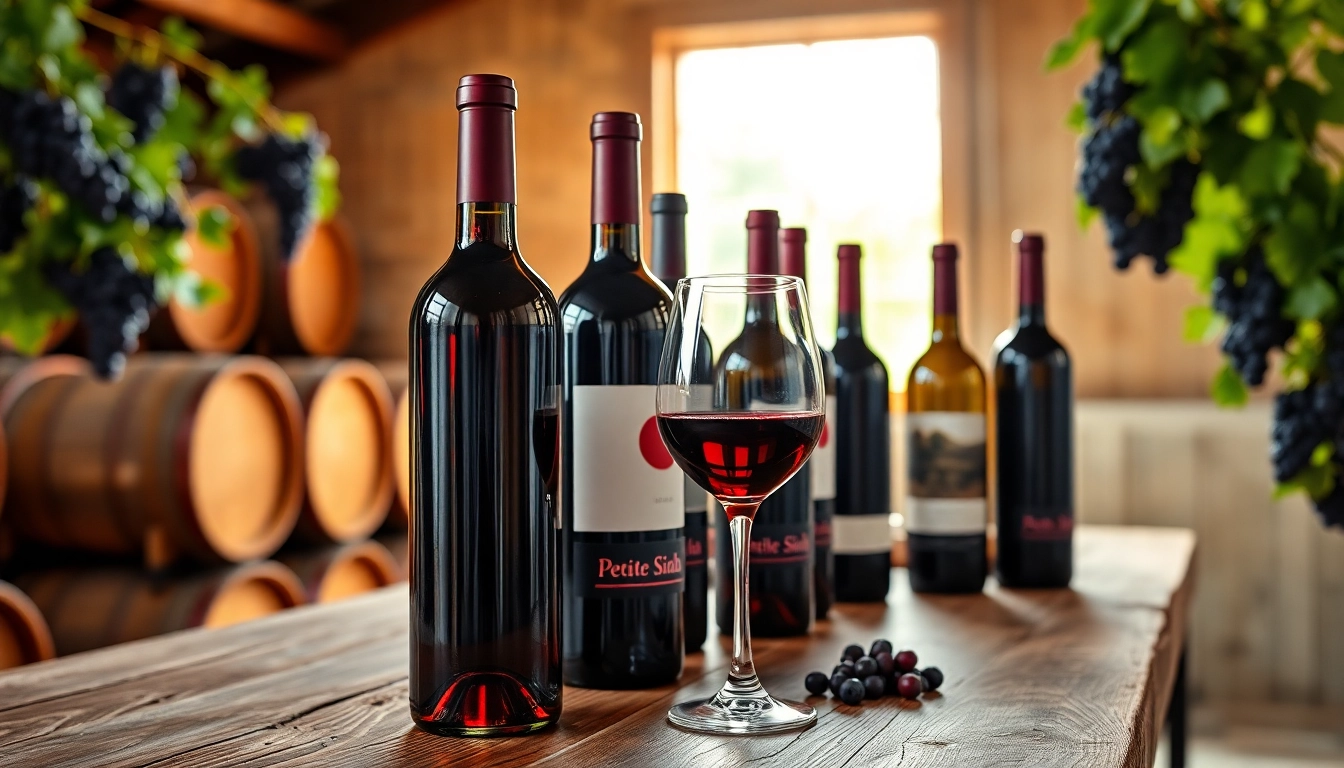
The Origins of Petite Sirah
Historical Background
Petite Sirah, also known as Durif, has a rich history rooted in French viticulture. Discovered in the 1880s by a botanist named François Durif, this varietal was a chance cross between Syrah and a lesser-known grape called Peloursin. Initially thriving in its homeland of France, the grape found more favorable conditions in other regions, especially in the United States. During the late 20th century, this varietal began to gain popularity, particularly in California, where it flourished and underwent significant agricultural adaptation.
Geographical Distribution
Today, Petite Sirah is primarily cultivated in California, specifically in regions such as Napa Valley and Paso Robles, where the warm climate enhances its deep color and robust flavor profiles. While California is the epicenter of Petite Sirah production, the varietal can also be found in Australia, Israel, and parts of Europe. These regions offer diverse terroirs that contribute to the unique taste and character of the wines produced from this grape.
Characteristics of the Grape Variety
Petite Sirah is known for its deep inky color and bold tannins, distinctive features that set it apart from other grape varieties. The vines are hardy, producing small berries packed with intense flavor and high sugar content, which results in wines with elevated alcohol levels. Typically, the grape thrives in warm climates, favoring well-drained soils that allow the roots to reach deep for water and nutrients.
Distinct Flavor Profiles of Petite Sirah
Tasting Notes and Aromas
The flavor profile of Petite Sirah is complex and multifaceted. On the palate, it often showcases bold flavors of dark fruits like blackberry, plum, and blueberry, complemented by notes of chocolate, black pepper, and a hint of spice. The bouquet of perfume often includes aromas of vanilla, smoke, and herbal undertones. This rich tapestry of flavors makes petite sirah an appealing choice for those seeking a layered wine experience.
Pairing with Food
Due to its full-bodied nature and complex flavors, Petite Sirah pairs beautifully with a variety of dishes. Grilled meats, especially lamb and beef, harmonize well with its bold character, while it also complements hearty pastas, rich stews, and game dishes. For vegetarians, roasted vegetables or rich mushroom risottos can highlight the wine’s depth without overshadowing its flavors.
Understanding the Aging Process
Petite Sirah is known for its ability to age gracefully. The high tannins and acidity contribute to its longevity, allowing it to develop additional complexity over time. When stored properly, bottles of Petite Sirah can mature for a decade or more, evolving in flavor and nuance. As it ages, flavors of dried fruit, leather, and earthiness often emerge, enhancing its appeal to those who appreciate well-aged wines.
Choosing the Best Petite Sirah Wines
Notable Regions
When searching for top-quality Petite Sirah, California remains the prime region, with Paso Robles being notable for its excellent climate and soil conditions. Other regions within California, such as Napa Valley and Lake County, also produce exceptional examples of this varietal. Outside of the U.S., vineyards in Australia have started to make a mark, producing robust renditions that reflect the unique terroir of the lands.
Top Recommendations
Some standout options for those exploring Petite Sirah include wines from carefully curated vineyards known for their meticulous farming practices. Investments in quality winemaking and vineyard management lead to superior wines that represent the full potential of this grape. Whether you seek a bold, fruit-forward style or one that emphasizes more earthy, complex flavors, the options available in today’s marketplace allow for a curated tasting experience.
Price Range and Value
The price of Petite Sirah wines can vary significantly based on the producer and region. Generally, you can find entry-level bottles for around $20, while premium selections can reach upwards of $100. While many people enjoy affordable options that offer significant value, collectors often seek out rare vintages that appreciate over time, proving that Petite Sirah wines can cater to a broad spectrum of budgets and preferences.
Petite Sirah vs Other Red Wines
Differences from Syrah
While Petite Sirah is a descendant of Syrah, these two varietals showcase distinct characteristics. Petite Sirah tends to feature a more concentrated flavor profile, with higher tannins and darker fruit notes compared to Syrah’s more elegant and peppery style. Additionally, Petite Sirah typically exhibits a fuller body and a more pronounced astringency, making it a robust choice among red wines.
Comparative Analysis with Cabernet Sauvignon
Petite Sirah’s bold and complex flavor profile often draws comparisons to Cabernet Sauvignon, yet the two differ in several key aspects. While both varietals boast high tannin levels, Petite Sirah tends to present more fruit-forward characteristics, overshadowing the herbal and earthier elements commonly found in Cabernet. This typically results in a more approachable wine that can appeal to a wider audience.
Similarities with Malbec
Both Petite Sirah and Malbec share a robust profile, with bold fruit flavors and vibrant textures. Each varietal features a rich color and presents an experiential drinking journey characterized by dark fruit notes. However, Petite Sirah’s heavier tannins and spicier notes differentiate it, while Malbec tends to lean towards softer, velvety textures that provide easy drinkability.
Frequently Asked Questions about Petite Sirah
What type of wine is a Petite Sirah?
Petite Sirah is a bold, full-bodied red wine known for its deep color, high tannins, and rich flavors of dark fruit, chocolate, and spices.
Is Petite Sirah sweet or dry?
Petite Sirah is generally considered a dry wine with low residual sugar, showcasing vibrant fruit flavors and a robust mouthfeel.
Can Petite Sirah age well?
Yes, Petite Sirah can age very well due to its high tannin and acidity levels, often gaining complexity and depth over several years.
What foods pair well with Petite Sirah?
Petite Sirah pairs excellently with grilled meats, hearty stews, rich pasta dishes, and even bold vegetarian options like roasted mushrooms.
How is Petite Sirah different from Syrah?
Petite Sirah differs from Syrah in its flavor concentration, body, and tannic structure. It typically displays bolder fruit flavors and a fuller body than Syrah.