What is Tempranillo?
Tempranillo is a widely cherished red wine grape variety that has made its mark on the global wine industry, particularly in Spain and Portugal. Renowned for its versatility, Tempranillo offers a variety of flavors and characteristics that make it a favorite among wine enthusiasts. This early-ripening grape thrives in different climates and soils, leading to its prominence in esteemed wine regions. Let’s delve deeper into this fascinating grape and discover what makes it so unique.
Origin and History of Tempranillo
Tempranillo has deep historical roots in the Iberian Peninsula, particularly in Spain, where the grape is thought to have originated. The name “Tempranillo” derives from the Spanish word ‘temprano’, meaning ‘early’. This reflects the grape’s tendency to ripen earlier than many others, which can be advantageous in certain climates. Historical records suggest that Tempranillo has been cultivated since the 13th century, with early mentions found in the writings of Spanish authors and winemakers.
Over centuries, Tempranillo became synonymous with Spanish wine culture, especially in regions like Rioja and Ribera del Duero. Unlike many grape varieties that spread across Europe, Tempranillo remained closely tied to its homeland, which has allowed it to develop a reputation as Spain’s signature grape. Today, it also sees cultivation in regions outside Spain, including parts of South America and Australia, contributing to its global recognition.
Characteristics of Tempranillo Grapes
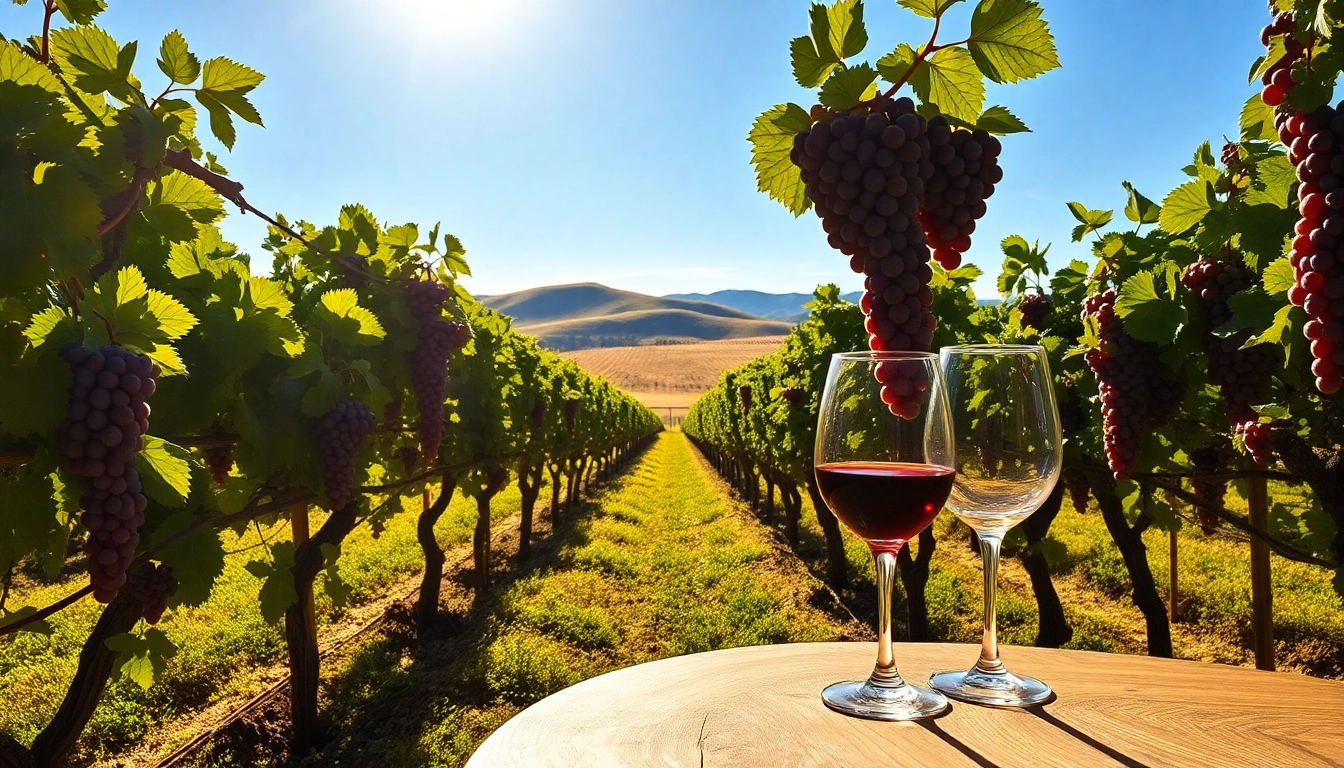
Tempranillo grapes are medium to large, with a thick skin that aids in producing wines with high tannin levels. The grape’s skin contributes to its rich colors, often yielding wines with deep ruby to dark purple hues. Additionally, Tempranillo vines exhibit a unique sensitivity to environmental conditions, flourishing in a range of soils from limestone to clay. Its early maturation often allows for harvesting before a risk of frost, making it a reliable choice for growers.
These characteristics contribute to Tempranillo’s ability to adapt well to various climates, resulting in wines that can be both complex and approachable. The careful management of vineyard practices, such as pruning and canopy management, can significantly influence the quality of the grapes and, ultimately, the wine.
The Taste Profile of Tempranillo Wines
Tempranillo wines are celebrated for their wide array of flavor profiles, which can encompass fruit-driven notes and more earthy, savory characteristics. Depending on the region and winemaking practices, Tempranillo can present flavors of cherry, plum, leather, tobacco, and spices. The balance between fruit and earthy elements often contributes to its appeal, making the wine versatile for various culinary pairings.
Aged Tempranillo, particularly those aged in oak barrels, tend to showcase even more complexity, with additional notes of vanilla, chocolate, and cedar coming to the forefront. This aging process also softens the tannins, contributing to a smooth mouthfeel that is widely appreciated by wine drinkers.
Growing Regions for Tempranillo
Key Regions in Spain
Spain is the heartland of Tempranillo, with several key regions leading the way in its production:
- Rioja: Known for its high-quality Tempranillo, Rioja is perhaps the most famous region for this grape. Wines from this area are often aged for extended periods in oak, allowing for the development of complex flavor profiles.
- Ribera del Duero: This region is celebrated for producing robust Tempranillo wines that often present intense flavors and aromas. The high altitude and unique soil composition contribute to the wine’s bold character.
- Toro: Located in the northwest of Spain, Toro is recognized for its powerful Tempranillo, known locally as Tinta de Toro. The region’s extreme temperature variations result in grapes with deep color and rich flavors.
Tempranillo’s Presence in Portugal
In Portugal, Tempranillo is often identified by its local name, Tinta Roriz. This grape plays a crucial role in some of Portugal’s well-known wine regions, most notably in the Douro Valley. Here, Tempranillo is frequently blended with other varietals to produce rich, full-bodied red wines, such as those used in Port production. The grape’s adaptability allows it to thrive in the warm, dry conditions of Portugal, resulting in wines with unique characteristics different from its Spanish counterparts.
Emerging Regions Worldwide
Beyond its Iberian roots, Tempranillo has gained traction in other wine-producing nations, showcasing its adaptability:
- Argentina: Known for its Malbec, Argentina also cultivates Tempranillo, producing wines that often combine the varietal’s fruity character with local influences.
- Australia: In regions like Victoria and New South Wales, Tempranillo has found a welcoming home, yielding wines that are approachable in youth but capable of aging.
- California: Tempranillo is steadily gaining popularity in wine regions such as Paso Robles, where climate conditions are favorable for producing ripe, fruit-forward expressions.
Tempranillo Wine Varieties
Different Types of Tempranillo Wines
Tempranillo versatility is evident in the range of wine styles it can produce. From young, fresh, fruit-forward wines to structured, age-worthy bottlings, Tempranillo has something for everyone.
Younger, unoaked versions of Tempranillo, often rely on vibrant fruit characteristics, providing a refreshing taste that is perfect for casual sipping. In contrast, aged wines that have undergone extensive oak maturation display a complex array of flavor layers, revealing how brilliantly the grape can adapt during the aging process.
How Aging Affects Tempranillo
Aging plays a significant role in shaping the final profile of Tempranillo wines. Wines subjected to oak aging not only develop a rounder mouthfeel but also take on additional flavors such as vanilla, spice, and smoke. The duration of aging can vary from a few months to several years, with the classification of Tempranillo wines often denoting the time spent in oak and bottle before release. Generally, wines labeled as ‘Crianza’ require at least 12 months of aging in oak, while ‘Reserva’ and ‘Gran Reserva’ require longer periods, allowing for deeper complexity.
Notable Tempranillo Wine Labels
While many producers craft exceptional Tempranillo wines, certain labels stand out due to their commitment to quality and tradition. Some well-regarded options include:
- Marqués de Riscal: A historic Rioja winery known for its innovative approach while respecting traditional practices, producing elegant Tempranillo wines.
- Vega Sicilia: Recognized for its prestigious and highly sought-after wines, this winery demonstrates the potential of Tempranillo in premium blends.
- Bodegas LAN: This winery focuses on terroir-driven wines that express the individuality of the grape and its growing environment, particularly in Rioja.
Food Pairings with Tempranillo
Best Dishes to Serve with Tempranillo
Tempranillo is a culinary chameleon, capable of pairing beautifully with various dishes. Its adaptability stems from its flavor profile and structure, making it suitable for pairing with both red and white meat dishes, as well as pasta and cheese:
- Grilled or Roasted Lamb: The rich flavors and tender textures of lamb harmonize excellently with the fruit and tannin structure of Tempranillo.
- Steak: A juicy steak, especially when grilled, enhances the savory aspects of Tempranillo, creating a delightful balance.
- Mushroom Risotto: The earthiness of mushrooms complements the grape’s more rustic notes, presenting a delicious pairing for vegetarians.
Pairing Wine and Cheese
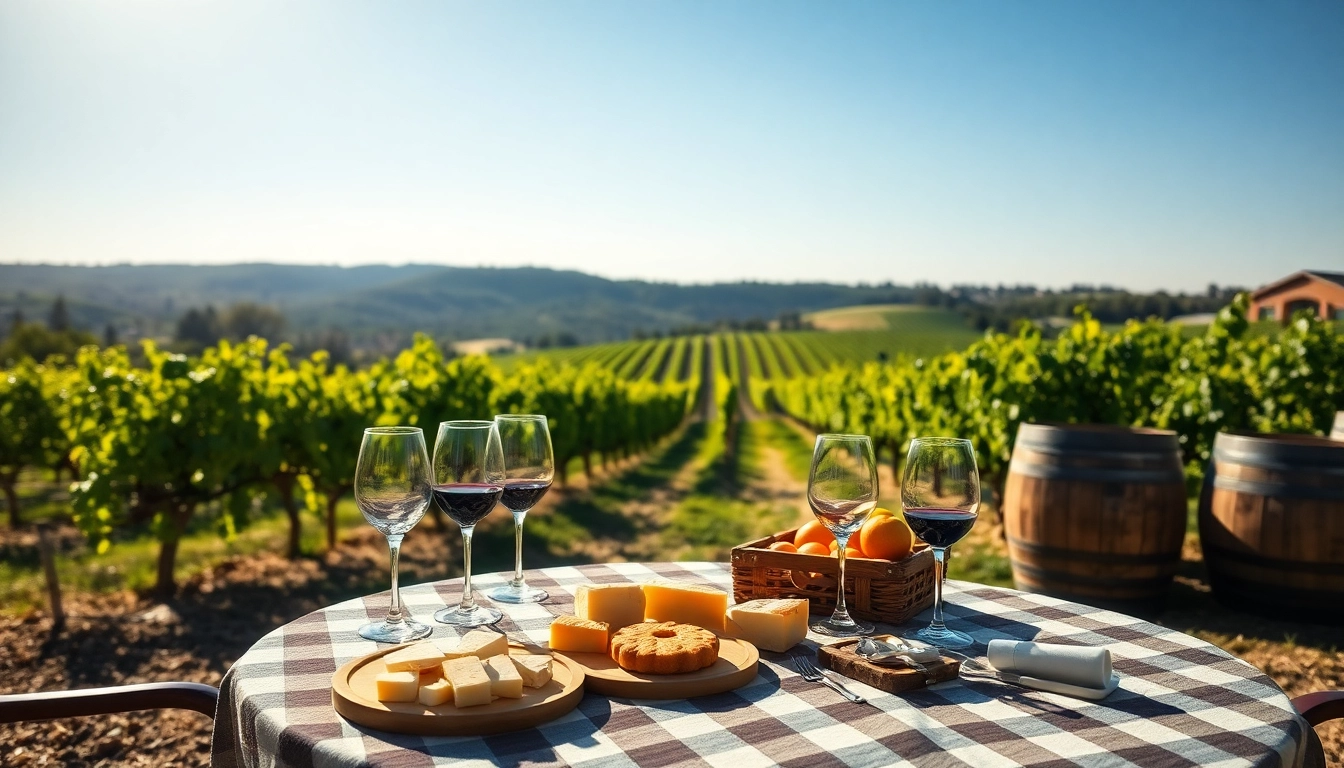
Tempranillo also pairs well with a variety of cheeses, making it a suitable wine for social gatherings and casual cheese boards. Opt for cheeses such as Manchego, a traditional Spanish cheese that mirrors the flavors of the wine, or a creamy Brie, which can soften the tannins present in younger wines.
Regional Spanish Cuisine Pairings
When exploring Tempranillo, consider pairing it with traditional Spanish dishes. From tapas filled with jamón ibérico to hearty paella, the food’s rich and diverse flavors complement the wine’s profile. Roasted vegetables drizzled with olive oil enhance the fruit notes, while traditional spicy chorizo offers a delightful contrast.
FAQs About Tempranillo
Is Tempranillo similar to Pinot Noir?
Though different, some similarities exist. Aged Tempranillo can exhibit deep berry flavors and an earthy character reminiscent of Pinot Noir, but the two have distinct profiles and characteristics.
What is Tempranillo called in Portugal?
In Portugal, Tempranillo is commonly referred to as Tinta Roriz. It plays a vital role in Portuguese winemaking, particularly in the Douro Valley.
How should I store Tempranillo wine?
Store Tempranillo wine in a cool, dark place, ideally at a temperature around 55°F (13°C). Keep bottles horizontal to ensure cork moisture and prevent oxidation.
What food complements Tempranillo best?
Tempranillo pairs wonderfully with dishes such as grilled lamb, steak, and roasted vegetables. Its versatility allows for pairing with various cuisines.
How do I taste Tempranillo wine?
To taste Tempranillo, pour into a glass and observe its color. Swirl gently, inhale its aromas, and take small sips to appreciate its flavors and texture. Engage the palate fully by considering tannin and acidity.