Understanding Kora Live Music: An Introduction
The kora is a traditional West African musical instrument, recognized for its ethereal sound and rich cultural history. With strings that resonate with soulful melodies, live performances featuring the kora offer audiences a unique blend of history, artistry, and emotion. This article explores everything you need to know about kora live performances, from understanding the instrument to the best practices for promoting live shows.
What is Kora Live?
Kora live refers to performances where the kora, a 21-string lute-bridge-harp, takes center stage. Originating from the Mandinka culture of West Africa, particularly in countries like Mali, Senegal, and Gambia, the kora has been used for centuries as a storytelling instrument, often accompanying griots (traditional storytellers and musicians). The instrument itself is crafted from a calabash gourd, which serves as a resonator, and a hardwood neck, married to a range of animal gut or synthetic strings. During a live performance, the kora is played using the fingers to pluck the strings, resulting in a sound that is both melodic and percussive.
The Cultural Significance of Kora
In West African society, the kora is more than just an instrument; it is a vessel of culture, history, and collective memory. The musicians who play the kora, often from the griot caste, have the duty to preserve and convey the oral histories of their people. This tradition allows for a deep connection among the audience, creating a space where stories of love, loss, and triumph can be shared and respected. The kora’s historical role as a communal instrument underscores its importance in fostering a sense of identity and continuity within African cultures.
How Kora Live Captivates Audiences
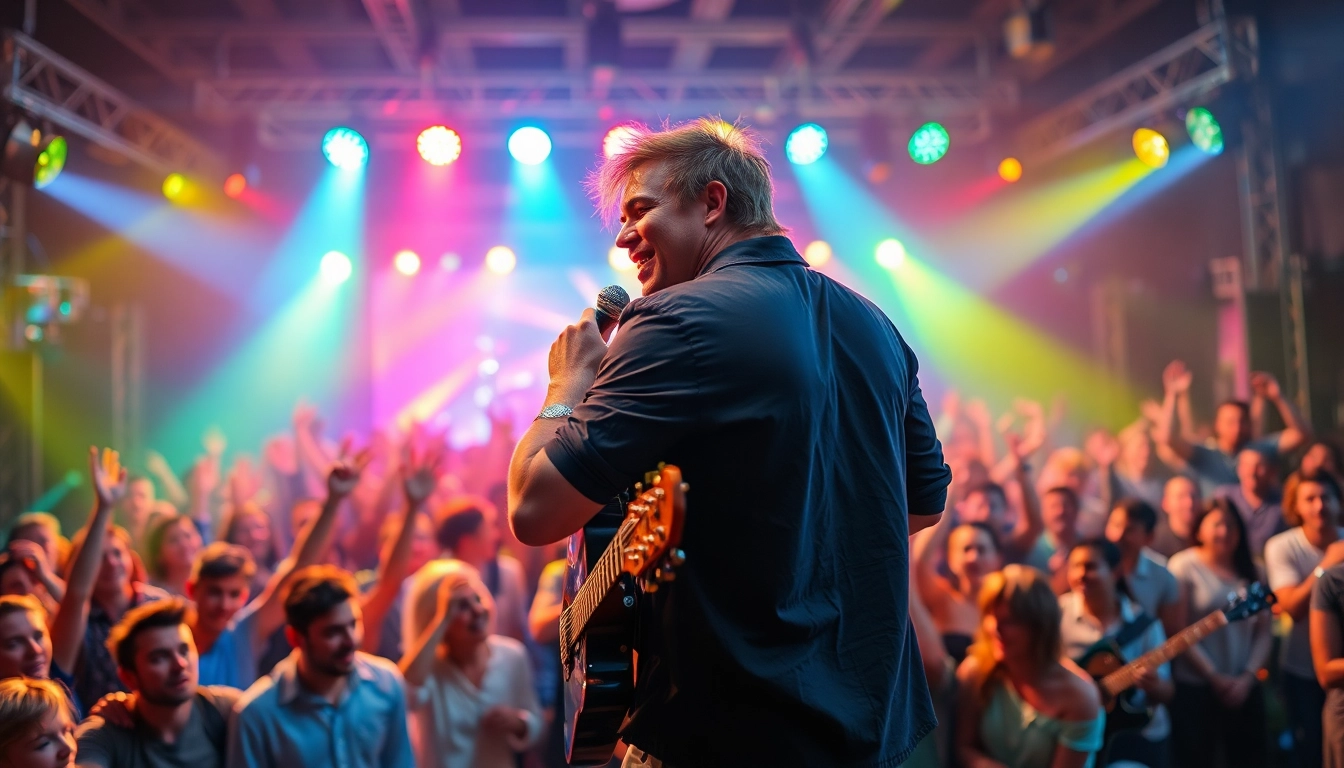
Kora live performances are known for their emotional depth. Musicians not only captivate their audience through their technical skill but also through their storytelling abilities. The use of call-and-response patterns invites audience participation, making each performance unique. As the kora weaves intricate melodies, it often paints vivid pictures of daily life, historical events, and mythological tales. The sheer expressiveness of the kora invokes a profound emotional response, thus establishing a connection that extends beyond mere entertainment.
Key Features of Live Kora Performances
The Instruments and Their Sounds
The kora’s design, with its twangy tones and soft resonance, sets it apart from other musical instruments. Each kora is handmade and uniquely tuned, which contributes to its distinct sound. In a live setting, the combination of the kora with other instruments like drums, balafons, and flutes creates a rich tapestry of sound. The interplay between these instruments is vital in elevating the performance, allowing for layered musical experiences that can transition between energetic grooves and tranquil melodies.
Stage Presence and Performer Engagement
The effectiveness of a kora live performance is significantly influenced by the stage presence of the musician. Griots are trained not just in music, but also in oratory skills, helping them to engage the audience on multiple levels. The connection between the performer and the audience is palpable; through storytelling, hand gestures, and eye contact, the performance becomes an interactive experience. Effective performers often share personal anecdotes or introduce their songs, creating a dialogue that further enhances listener engagement.
Settings That Enhance Live Experiences
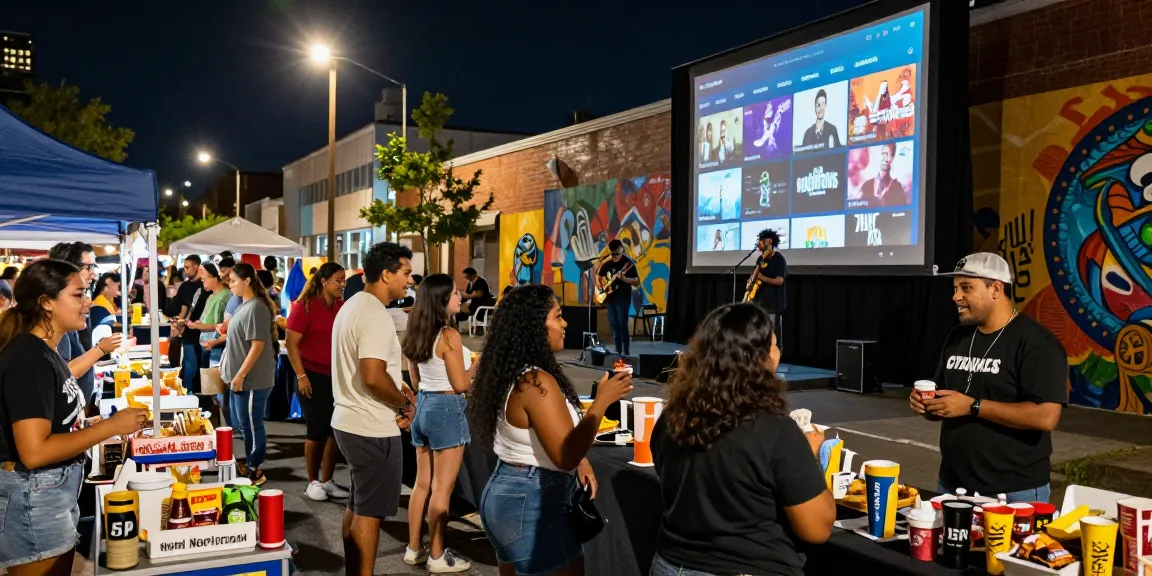
The environment where kora live performances take place can dramatically impact the experience. Outdoor festivals or community events often provide an intimate setting that enhances the communal spirit of the performance. Conversely, more formal venues can highlight the technical brilliance of the musicians, allowing for clarity of sound that emphasizes the nuances of the kora. Regardless of the setting, the acoustics play a critical role in how the music is received, with natural surroundings often amplifying the kora’s enchanting sound.
Common Challenges in Organizing Kora Live Events
Technical Aspects: Sound and Equipment
One of the primary challenges in organizing kora live events is ensuring the quality of sound equipment matches the intricacies of the performance. The kora’s delicate sound can sometimes be lost amid overpowering amplification systems. To counter this, event organizers must ensure that sound technicians are familiar with traditional West African instruments. It is essential to conduct sound checks in advance, allowing musicians to fine-tune their settings and ensure balance with accompanying instruments.
Audience Engagement Strategies
Another challenge faced by kora live events is maintaining high levels of audience engagement throughout the show. The pacing of performances, audience interaction, and the selection of repertoire all contribute to the overall enjoyment of the event. Organizers can implement strategies such as pre-show activities (like workshops) to familiarize attendees with the kora, or post-show Q&A sessions to encourage dialogue between the audience and the performers. Tailoring content to demographic interests can also lead to more fulfilling experiences for attendees.
Overcoming Venue Limitations
Often, venue limitations pose a challenge, particularly in informal settings that may not be equipped for live sound performances. To navigate this, organizers should seek venues that appreciate the cultural significance of the kora and are willing to invest in the necessary equipment. Alternative solutions include using portable sound systems and creating more dynamic performance spaces that allow for interaction and movement, thus transforming potential space constraints into opportunities for creative expression.
Best Practices for Promoting Kora Live Shows
Utilizing Social Media for Outreach
In today’s digital landscape, social media is a fundamental tool for promoting kora live shows. Platforms like Instagram, Facebook, and Twitter allow artists to share behind-the-scenes content, engage with fans, and announce performances. Effective strategies include creating engaging visual content that showcases the kora’s allure, using short clips to demonstrate the instrument’s sound, and organizing live Q&A sessions or virtual performances to connect with audiences beyond geographical limitations. The key is to build a narrative around the performances that resonates with potential attendees.
Collaborations with Other Artists
Collaborative performances are becoming increasingly popular, bringing together kora players with musicians from different genres. This cross-genre collaboration not only broadens audience appeal but also fosters creativity and innovation within performances. By reaching out to artists from various backgrounds, kora musicians can infuse diverse styles and interpretations into their shows, creating a more dynamic experience. Collaborating with local artists can also enhance community support and engagement, ensuring a healthy turnout and vibrant atmosphere.
Creating Memorable Marketing Materials
Marketing materials play a significant role in setting the tone for kora live performances. High-quality graphics, artist bios, and videos that capture the essence of the kora should be included in promotional efforts. Flyers, posters, and online ads should convey a sense of the performance’s emotional connection, using vibrant imagery and compelling messaging to draw attention. Crafting a captivating narrative about the performance, including the historical significance of the kora and the personal stories of the musicians, fosters a deeper interest in the event, leading to higher attendance rates.
Measuring Success: Performance Metrics for Kora Live
Audience Feedback and Reviews
Post-performance feedback is invaluable in assessing the success of kora live shows. Engaging with audiences through post-event surveys or online ratings can provide insights into their experience, helping organizers understand what worked well and what could be improved. Positive reviews can be leveraged in future marketing, while constructive criticism can guide future performances. Building a loyal audience base requires attention to feedback, ensuring that each show is a step towards improvement.
Sales and Attendance Figures
Monitoring ticket sales and attendance figures is crucial for evaluating the financial success of kora live events. Analyzing trends over multiple performances can reveal patterns, helping to understand audience demographics and preferences. It’s essential to create a balance between ticket prices and the value offered, ensuring accessibility while still meeting budgetary requirements. This quantitative data lays the groundwork for planning future events and aligns with broader promotional strategies.
Long-Term Engagement and Fan Loyalty
Measuring long-term success involves cultivating fan loyalty and engagement beyond single events. Building a community where fans feel connected to the artists fosters repeat attendance and advocacy. Techniques such as newsletter sign-ups, fan clubs, or exclusive content for loyal attendees can enhance this relationship. Regular communication through social media and personalized experiences can maintain interest, making fans feel like an integral part of the journey. This sustained engagement ensures that kora live performances create lasting memories and support a thriving musical ecosystem.