Understanding Marginal Pond Plants
Marginal pond plants are essential components of any aquatic ecosystem, acting as the bridge between water and land. These plants grow in the shallow margins of ponds, lakes, and streams, where they thrive in moist soils and shallow water. When exploring options, Marginal Pond Plants offer a diverse range that can enhance both the aesthetic appeal and ecological health of your pond. In this guide, we will delve into what these plants are, their importance, types, and benefits to help you create a thriving water feature in your garden.
What Are Marginal Pond Plants?
Marginal pond plants refer to those species that grow at the edges of water bodies. Typically, they are adapted to thrive in wet soils and submerged environments, allowing them to flourish as they stabilize the pond's ecosystem. These plants not only enhance the visual appeal of a pond or water garden but also play several vital ecological roles. They provide habitat for wildlife, improve water quality, and contribute to the overall health of aquatic environments.
Types of Marginal Pond Plants to Consider
There is a wide variety of marginal pond plants, each offering unique characteristics and benefits. Some popular types include:
- Reed Canary Grass (Phalaris arundinacea): A robust grass that provides excellent cover and erosion control.
- Water Iris (Iris pseudacorus): This striking plant blooms with vibrant yellow flowers, attracting pollinators.
- Marsh Marigold (Caltha palustris): Known for its bright yellow flowers, it thrives in partially submerged soils.
- Blue Flag Iris (Iris versicolor): Adds stunning blue and purple blooms, ideal for enhancing pond aesthetics.
- Pickerel Rush (Pontederia cordata): Produces spikes of purple flowers and is excellent for wildlife habitats.
Benefits of Incorporating Marginal Pond Plants in Your Garden
Integrating marginal pond plants into your garden offers numerous ecological and aesthetic benefits:
- Water Filtration: They help filter harmful pollutants and excess nutrients from the water.
- Wildlife Habitat: These plants provide shelter, nesting material, and food for various wildlife, including frogs, birds, and beneficial insects.
- Erosion Control: Their root systems stabilize shorelines, preventing soil erosion and sediment build-up.
- Aesthetic Appeal: Marginal plants add vibrant colors and textures to your pond landscape, creating a visually pleasing environment.
How to Choose the Right Marginal Pond Plants
Selecting the right marginal pond plants is crucial for creating a healthy and balanced ecosystem. Consider the following factors to make informed choices:
Factors to Consider When Selecting Plants
When choosing marginal pond plants, assess the following:
- Climate: Select plants that can thrive in your specific climate conditions, whether temperate, tropical, or arid.
- Sunlight: Determine how much sunlight your pond receives and choose plants accordingly; some require full sun, while others thrive in partial shade.
- Water Depth: Ensure you select plants suited to the specific depth of water in your pond's marginal zones.
- Soil Type: Know your soil composition; some plants prefer loamy soils, while others thrive in clay or sandy conditions.
Best Marginal Plants for Different Climate Conditions
Different regions have varying climate conditions that affect the types of plants you should consider:
- Cool Climates: Look for hardy species like Caltha palustris and Iris pseudacorus that can withstand colder temperatures.
- Tropical Regions: Opt for warm-climate favorites like Pontederia cordata and Papyrus (Cyperus papyrus).
- Arid Areas: Consider drought-tolerant species such as Juncus effusus that can endure less water.
Common Mistakes When Choosing Marginal Pond Plants
Many gardeners make mistakes while selecting marginal pond plants. Here are some common pitfalls to avoid:
- Ignoring Local Climate: Selecting plants based solely on appearance rather than their adaptability to local weather can lead to failure.
- Overcrowding: Planting too many species can lead to competition for resources and diminish growth.
- Neglecting Maintenance Needs: Some plants require more maintenance than others; be sure to select those that align with your gardening commitment.
Planting and Caring for Marginal Pond Plants
Once you have selected your marginal pond plants, it’s time to focus on proper planting and care to ensure thriving growth.
Step-by-Step Guide to Planting Marginal Pond Plants
Follow these steps to successfully plant your new marginal pond plants:
- Choose the Right Location: Select areas of the pond with the appropriate depth and sunlight exposure.
- Prepare the Soil: Loosen the soil in the planting area to allow for easy root growth. Consider adding organic compost to enhance soil quality.
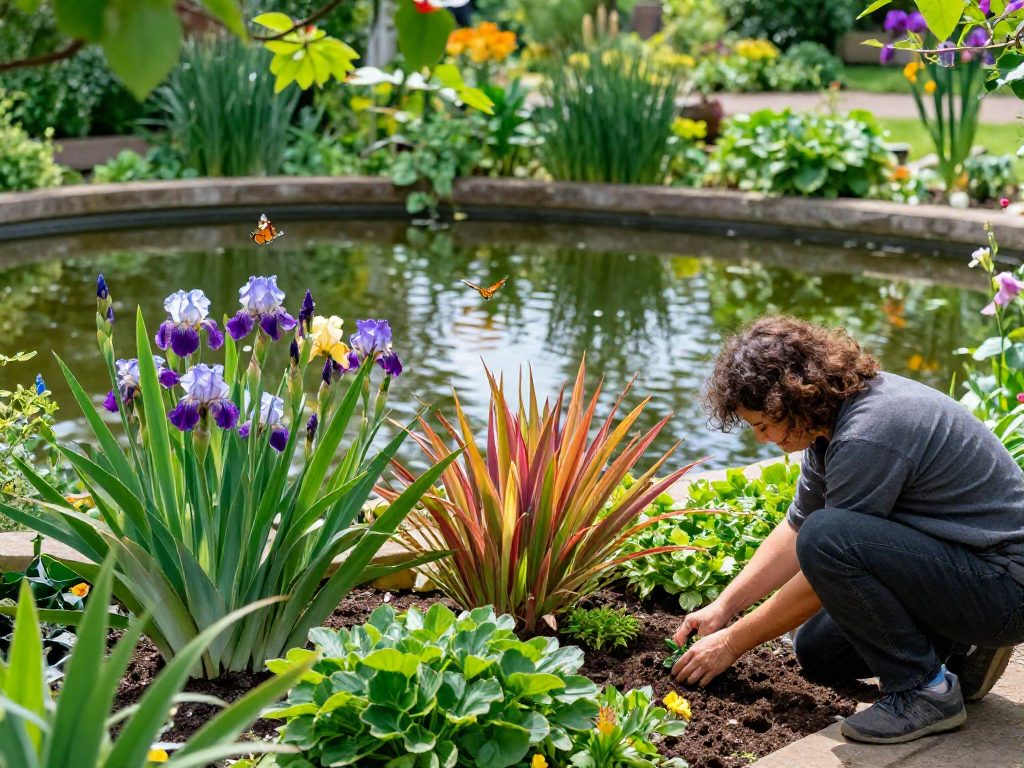
- Planting: Dig a hole slightly larger than the root ball, place the plant in the hole, and backfill it with soil, ensuring the crown of the plant is level with the soil surface.
- Water Thoroughly: Water the newly planted area deeply to settle the soil around the roots.
- Mulching: Apply a layer of organic mulch around the base of the plants to retain moisture and suppress weeds.
Watering and Fertilizing Techniques for Optimal Growth
Proper watering and fertilizing are key to maintaining healthy marginal pond plants:
- Watering: Ensure consistent moisture, especially during dry spells. However, avoid overwatering, which can lead to root rot.
- Fertilizing: Use a balanced aquatic fertilizer in early spring to promote vibrant growth and blooming. Follow recommended dosages to prevent nutrient overload.
Pest Control and Maintenance Tips for Healthy Plants
Keeping your marginal pond plants healthy requires vigilance against pests and diseases:
- Regular Inspections: Frequently check for signs of pests such as aphids or snails and take action as needed.
- Remove Weeds: Regularly remove any invasive or competitive weeds that may hinder your plants' growth.
- Deadheading: Remove spent flowers and damaged leaves to encourage new growth and maintain plant health.
Designing a Beautiful Pond Landscape with Marginal Plants
Creating a visually harmonious pond landscape requires thoughtful design and plant selection.
Creating Visual Harmony with Marginal Plants
To achieve a pleasing aesthetic, consider the following design principles:
- Color Coordination: Use a mix of colors that complement each other. Pair contrasting foliage with vibrant blooms.
- Height Variation: Arrange plants in layers, with taller species at the back and shorter ones at the front to create depth.
- Textures: Combine plants with different leaf shapes and sizes to enhance visual interest.
Complementary Plants and Features for Your Pond
Integrating other features like rocks, driftwood, and complementary plants can enhance your pond's appeal. Consider adding:
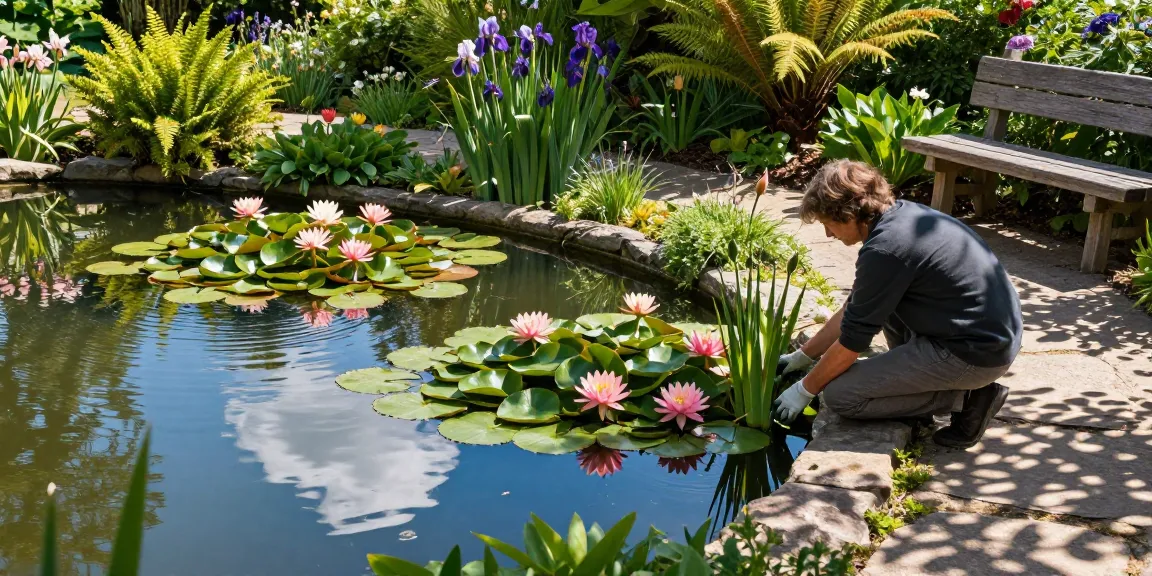
- Aquatic Plants: Incorporate floating plants like water lilies for additional beauty and biodiversity.
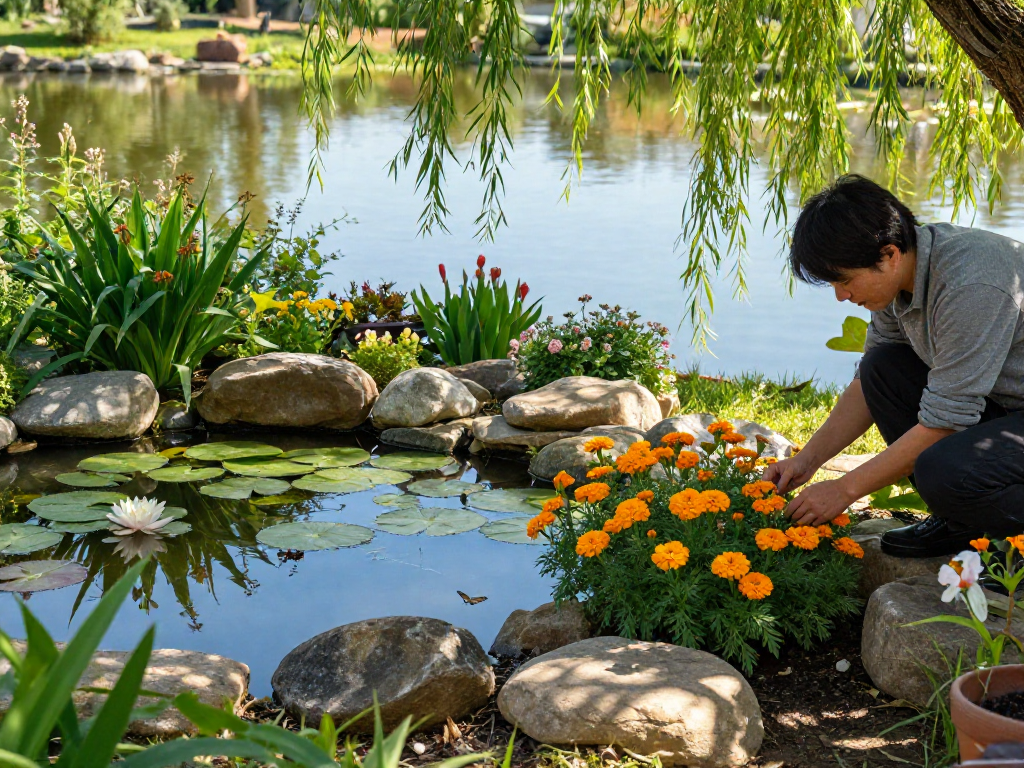
- Hardscaping Elements: Use stones or pebbles along the pond edge to create a natural look.
- Seating Areas: Position benches or seating areas nearby to create a space for enjoyment and relaxation.
Seasonal Considerations for Your Pond’s Aesthetic
Your pond's appearance will change with the seasons. To maintain beauty throughout the year:
- Spring: Divide and replant overgrown species for a fresh start.
- Summer: Regularly deadhead flowers for prolonged blooming.
- Autumn: Cut back perennials as they die back; leave some stems for winter interest.
- Winter: Protect delicate plants with mulch and consider adding evergreens for winter charm.
Future Trends in Pond Plant Landscaping
The world of pond landscaping is always evolving, and several trends are shaping the future of marginal pond plants.
Innovative Ideas for Eco-Friendly Gardening
As sustainability becomes a priority, gardeners are looking for eco-friendly practices that support biodiversity:
- Native Plant Use: Opting for native marginal plants helps local wildlife and reduces the need for chemical fertilizers and pesticides.
- Rain Gardens: Implementing rain gardens with marginal plants can help manage stormwater runoff.
The Rise of Native Plants in Pond Landscaping
There is an increasing awareness of the benefits of using native species in landscaping. Native marginal pond plants support local ecosystems and are typically easier to maintain due to their adaptability.
Predictions for Marginal Pond Plants in 2026 and Beyond
Looking ahead, we can expect more emphasis on biodiversity in pond landscaping. As climate change impacts plant availability and habitability, gardeners may explore resilient species that can withstand erratic weather patterns and maintain ecological balance.
What are the best marginal pond plants for beginners?
Beginners should consider easy-to-grow species like Water Iris and Marsh Marigold for their resilience and minimal care requirements.
How do I maintain my marginal pond plants year-round?
Year-round maintenance includes regular inspections, seasonal pruning, and appropriate watering and fertilizing based on the plants' needs.
Can marginal pond plants help with water filtration?
Yes, marginal pond plants are excellent at filtering pollutants and excess nutrients from water, improving overall water quality.
Are there any invasive species I should avoid?
Be cautious of invasive species like Yellow Flag Iris that can outcompete native plants and disrupt local ecosystems.
How to create a wildlife-friendly pond environment?
Creating a wildlife-friendly pond involves incorporating a diversity of native marginal plants, providing shelter, and minimizing pesticide use to encourage a thriving ecosystem.