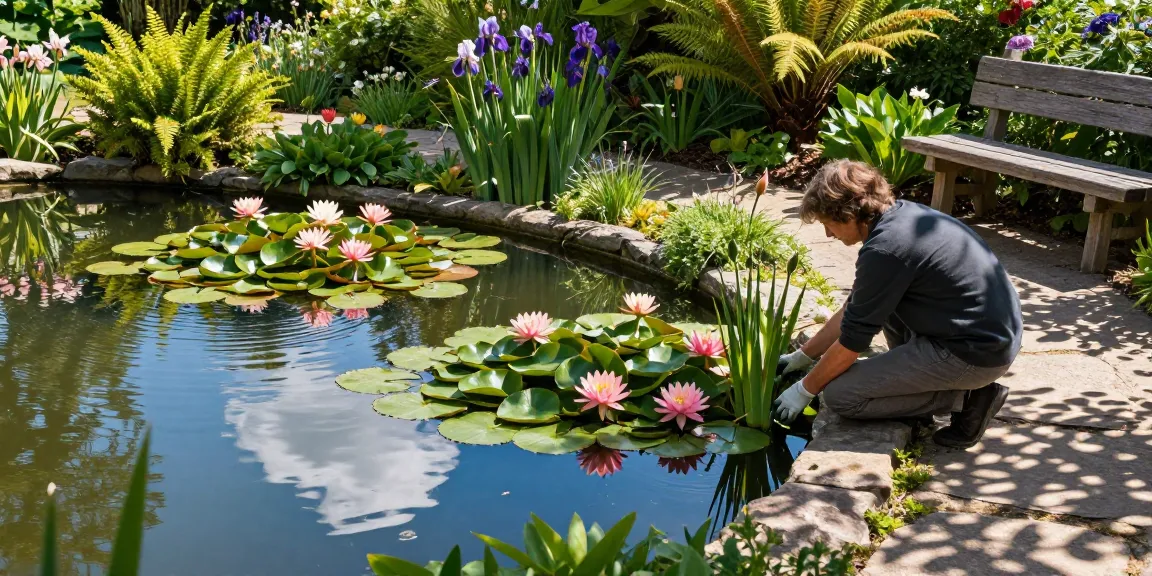
When Sarah noticed her backyard azaleas sagging while the front lawn stayed soggy, she realized a one-size-fits-all watering schedule wasn’t working. Her yard has a shady, mulched flower bed, a sunny small lawn, and a raised bed vegetable plot—each with different needs. What she needed was a reliable way to match schedules and hardware to each zone, not just a timer that runs on a single loop.
Match the Timer to Your Watering Challenge
Problem: You’ve got mixed planting zones—lawn, vegetable beds, and containers—and a basic mechanical timer runs everything the same. That wastes water and weakens plants. Solution: Pick a timer that supports multiple stations and tailored schedules so each zone gets what it needs.
How many zones do you actually need?
Count heads: a typical small lawn with two popup sprinklers might be one zone; a vegetable bed with drip lines is another; a shady flower bed might be a third. Don’t undercount because later splitting lines is costly. For example, a 6-zone timer works well for many suburban yards; larger properties often need 8+ zones. University extension services commonly recommend separating turf from beds and containers to avoid overwatering (University of California Cooperative Extension reports on similar zoning practices).
Features to prioritize
- Independent start times and run lengths per station — lets you water the lawn briefly but run drip zones longer and slower.
- Cycle and soak or multiple start times — prevents runoff on slopes or compacted soils.
- Weather or soil-moisture input capability — adjusts schedules when it’s rained or the soil is wet.
- Warranty and decent surge protection — controllers see lightning and power spikes outdoors.
For homeowners who want a step up in convenience, a WiFi timer such as the RainPoint model lets you change schedules from your phone after you spot stressed plants without running back to the garage. If you’re unsure how many stations your plan will require, resources like the EPA’s WaterSense program offer guidance on efficient irrigation practices (link below).
Small Lawns and Front Yards: Keep It Simple but Smart
Problem: A small front lawn and a few planting beds driven by a single timer is either overwatered or underwatered. Solution: Use a compact multi-station timer and consider mobile sprinklers for flexibility.
Case example: A homeowner with a 600 sq ft front lawn and two narrow flower strips split the area into two zones: one for the lawn and one for the beds. They installed a 4-zone WiFi timer and used pop-up heads on the turf and drip tubing on the beds. The timer allowed short, frequent cycles on the lawn in summer and longer soak cycles for the beds during peak heat.
Why mobile sprinklers sometimes beat in-ground for small lawns: if your lawn is oddly shaped or you’re renting, a portable sprinkler with a timer-driven portable controller can be moved to avoid dry patches. For those ready to commit to a permanent setup, match the timer’s minimum run time to the lowest practical cycle for your sprinklers—many basic mechanical timers have long minimums that make short cycles impossible, which can cause runoff on tight soils.
Large Lawns and Landscapes: Use Smart, Scalable Controllers
Problem: A half-acre yard with varying slopes and irrigation needs is on a manual schedule that wastes water. Solution: Deploy a weather-aware smart controller with remote monitoring and station expansion options.
Real example: On a 0.5-acre suburban property, a homeowner split irrigation into turf front, turf back, slope areas, and perimeter beds—a total of eight zones. They installed a smart in-ground controller that accepts local soil moisture sensors and adjusts weekly runtime per station. On hot July days, the controller increased turf watering; after a quick thunderstorm the schedule was cut by over 50% automatically. According to EPA WaterSense, smart controllers can save significant water compared with manual timers—some estimates show up to 20% savings for smart systems compared to conventional timers.
Yard TypeRecommended TimerKey FeatureSmall lawn + beds4–6 zone WiFi or compact multi-stationMultiple schedules per stationLarge lawn8+ zone smart controllerWeather-sensing and sensor inputsComplex landscapingExpandable controller with soil sensorsPer-station ET adjustments
Tip: If you plan to expand irrigation later, buy a controller with extra stations or modular expansion. It’s cheaper than replacing the whole unit later.
Vegetable Gardens, Flower Beds, and Containers: Precision Matters
Problem: Your tomatoes blossom but struggle to set fruit because watering is irregular, or potted plants dry out between weekend trips. Solution: Use timers designed for low-pressure drip lines, soaker hoses, and slow-self-watering modules that deliver steady root-zone moisture.
Vegetable gardens
Scenario: A 12' x 8' raised bed with mixed vegetables benefits from a drip layout with 12" emitter spacing set to run 30–45 minutes twice daily in summer. Rather than guess, pair a multi-program timer with a pressure regulator and flow-limiting emitters; this setup keeps the root zone moist without wetting foliage and reduces disease risk.
Flower beds and containers
For flower beds on clay soils, use cycle-and-soak schedules — three 10-minute cycles with 30 minutes between cycles — to avoid runoff and promote deep infiltration. Containers drain quickly, so a self-watering spike or a dedicated micro-sprayer on a short, frequent program is better. For containers, a slow 15-minute run every morning and 10 minutes in late afternoon can keep plants happy during heat waves.
When you want a focused recommendation for these setups, check resources that explain emitter spacing and flow rates, or click here to choose a reliable sprinkler timer for your yard and see models tuned for drip and soaker systems.
Advanced Tips: Sensors, Scheduling Tricks, and Installation Pointers
Problem: You’ve installed a capable timer but still see uneven moisture or high bills. Solution: Add the right sensors, refine schedules by microclimate, and avoid common wiring/installation mistakes.
Sensor and scheduling tips
- Install soil moisture sensors at root depth in representative zones to prevent unnecessary runs after summer storms. Real-world tests show a properly placed sensor can cut unnecessary runs by a third in mixed landscapes.
- Use evapotranspiration (ET) data where supported—smart controllers that use local weather inputs automatically tweak runtime with heat and wind.
- Group stations by plant type and sun exposure, not by physical proximity alone. A shady bed on the north side often needs less water than a sunny strip across the lawn even if they’re adjacent.
Installation pointers
Wire gauge and surge protection matter—long runs to far valve boxes need thicker wire to avoid voltage drop. Label both ends of wire runs; it saves hours during troubleshooting. For pop-up heads, run a single test pattern and measure uniformity: low uniformity means head spacing or pressure issues, not the timer.
A WiFi timer from RainPoint can handle complex schedules and integrates with sensors for automated adjustments; that’s handy if you travel a lot or want remote control. If you prefer full manual control, pick a robust commercial-grade controller with a simple, reliable interface.
Practical figures: The EPA’s WaterSense program estimates that smart irrigation controllers can save homeowners about 8–20% on outdoor water use compared to conventional controllers; in some municipalities that translates to thousands of gallons annually for larger yards (see EPA WaterSense guidance for more specifics). For a homeowner watering a quarter-acre lawn, that could mean saving several thousand gallons and noticeable dollar savings on an annual water bill.
Final installation check: after wiring and mounting your controller, run each station and walk the zones. Confirm emitters and sprinklers deliver the intended pattern and adjust run times based on how long it takes for the root zone to become evenly moist. Making small adjustments now prevents plant stress and reduces wasted water later.