Understanding Aluminum Prototypes
What Are Aluminum Prototypes?
Aluminum prototypes are essential models created for the purpose of testing and validating product designs before full-scale production. These prototypes are crafted from aluminum due to its lightweight properties, excellent strength-to-weight ratio, and ease of machining. By utilizing aluminum prototypes, engineers and designers can assess form, fit, and function in a relatively short timeframe and at a lower cost compared to traditional manufacturing methods.
Benefits of Using Aluminum in Prototyping
Aluminum offers numerous advantages when used in prototyping:
- Lightweight: Being significantly lighter than many other metals, aluminum prototypes facilitate easier handling and transportation during the testing phase.
- Durability: Aluminum is known for its strength and ability to withstand harsh conditions, making it suitable for real-world testing scenarios.
- Machinability: The metal’s excellent machinability allows for precise designs and allows manufacturers to create intricate parts efficiently.
- Cost-Effectiveness: Using aluminum can reduce material costs and production times while providing high-quality prototypes.
- Recyclability: Aluminum is 100% recyclable, making it an environmentally friendly option in the prototyping process.
Aluminum Alloys for Prototyping
Various aluminum alloys have distinct properties that make them suitable for different prototyping applications. The most commonly used alloys include:
- 6061 Alloy: Known for its excellent corrosion resistance and weldability, this alloy is perfect for structural components.
- 7075 Alloy: Known for its high strength, this alloy is frequently used in aerospace applications.
- 2024 Alloy: Suitable for applications requiring high fatigue resistance, this alloy is often used in military and aerospace designs.
Aluminum Prototyping Techniques
CNC Machining for Aluminum Prototypes
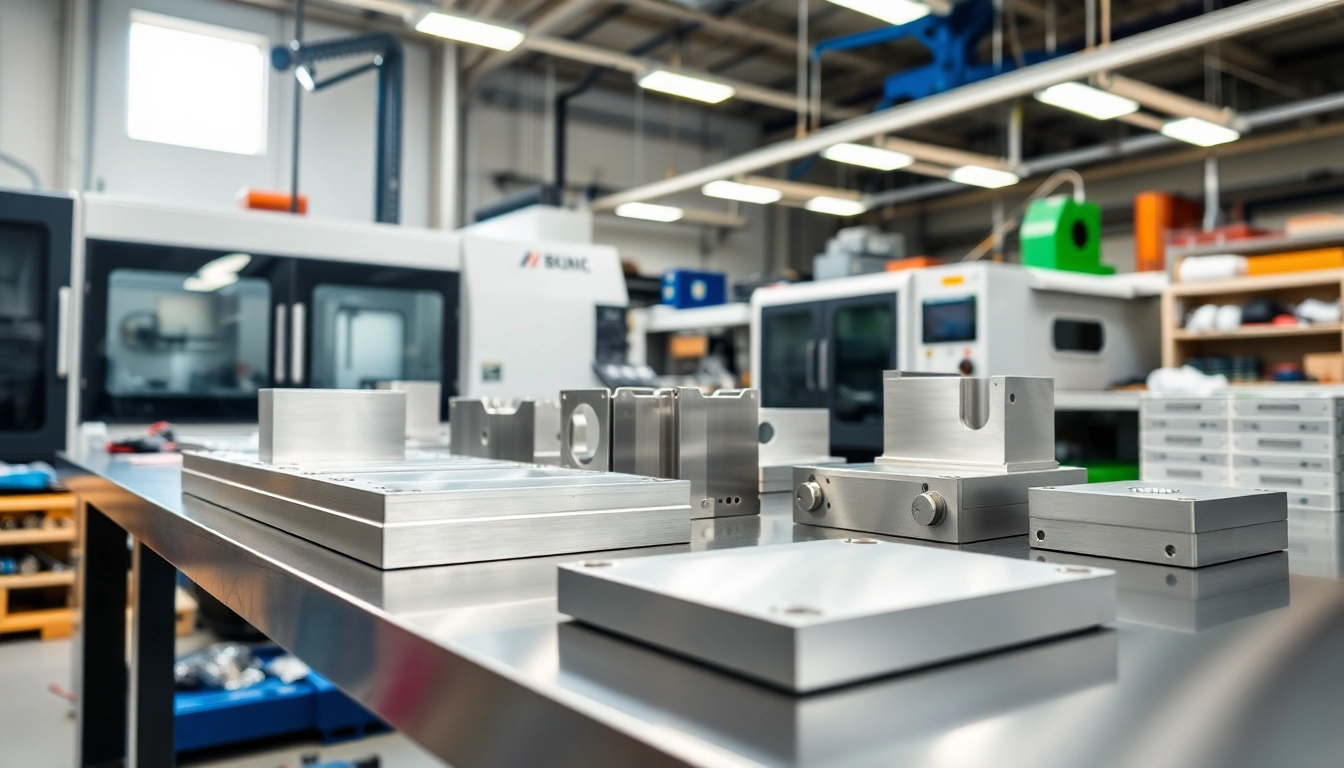
CNC (Computer Numerical Control) machining is one of the most common methods for creating aluminum prototypes. This process involves the use of computer-controlled machines that execute precise cuts and adjustments to create complex geometries. CNC machining allows for high levels of accuracy, repeatability, and speed, making it an ideal choice for prototype production.
Advantages of CNC machining for aluminum include:
- High precision and tolerance, ensuring that prototypes meet exact specifications.
- Ability to produce intricate designs and complex shapes with minimal waste.
- Scalability, allowing for easy transition from prototyping to production.
3D Printing Methods for Aluminum
3D printing is revolutionizing the prototyping industry, and aluminum is no exception. Advanced metal 3D printing technologies such as Selective Laser Melting (SLM) enable the creation of intricate metal parts layer by layer. These methods not only reduce material waste but also allow for the production of complex geometries that may not be feasible with traditional manufacturing techniques.
Benefits of using 3D printing for aluminum prototypes include:
- Rapid prototyping capabilities, drastically reducing lead times.
- Flexibility in design modifications, allowing for quick adjustments as needed.
- The ability to test unique design concepts that may not be possible with conventional methods.
Die Casting vs. Other Techniques
Die casting is another method used in the fabrication of aluminum prototypes. This process involves injecting molten aluminum into a mold to create precise shapes. While die casting is traditionally associated with high-volume production, it can also be advantageous in prototyping under certain conditions.
Comparing die casting with CNC machining and 3D printing:
- Die Casting: Best for high-volume runs but requires significant upfront tooling costs. It’s optimal when the design is finalized and large quantities are needed.
- CNC Machining: Ideal for low to medium production with more flexibility for design changes.
- 3D Printing: Excellent for rapid prototyping and iteration but not always cost-effective for large quantities.
Design Considerations for Aluminum Prototypes
Weight and Strength Balancing
When designing aluminum prototypes, achieving the right balance between weight and strength is paramount. Engineers must consider the application and operational stresses to ensure that the prototype can withstand real-world conditions without compromising on usability. Techniques such as topology optimization can be employed to minimize weight while maintaining structural integrity.
Thermal Properties and Applications
Aluminum has excellent thermal conductivity, making it suitable for applications requiring efficient heat dissipation. However, designers need to account for thermal expansion rates when creating aluminum prototypes exposed to varying temperatures. Thermal simulations can aid in predicting performance under different conditions, helping to refine designs further.
Surface Finishing Options
The surface finish of aluminum prototypes can significantly impact their performance and aesthetics. Common finishing options include:
- Anodizing: Creates a protective layer that enhances corrosion resistance and can be used to add color.
- Powder Coating: A durable finish that provides both aesthetic appeal and protective qualities.
- Polishing: Enhances surface smoothness and provides a reflective finish that can improve appearance.
Real-World Applications of Aluminum Prototypes
Product Development in Aerospace
The aerospace industry heavily relies on aluminum prototypes to develop lightweight and durable components that meet stringent safety regulations. Prototyping allows engineers to test designs under actual operating conditions, ensuring that they can withstand significant stress and perform optimally.
Innovations in Automotive Design
In automotive engineering, aluminum prototypes play a crucial role in designing lightweight vehicles that improve fuel efficiency without sacrificing safety or performance. Manufacturers utilize prototyping to test components like engine parts, frames, and body panels, leading to innovations that streamline production processes.
Electronics and Consumer Goods
The electronics industry frequently uses aluminum prototypes for housing and internal components. Prototyping allows companies to rapidly develop and refine their designs, ensuring that products meet required specifications and consumer demands before moving to mass production.
Frequently Asked Questions about Aluminum Prototypes
Is aluminum a common prototyping material?
Yes, aluminum is a widely used material in prototyping due to its excellent machinability, lightweight nature, and cost-effectiveness.
Can aluminum prototypes withstand high stress?
Aluminum prototypes can withstand significant stress, making them suitable for various industrial applications, particularly when designed correctly for those conditions.
How do I ensure precision in aluminum prototypes?
To ensure precision, it’s essential to select the right machining techniques, employ advanced software tools for design, and maintain stringent quality controls throughout the process.
What are the cost considerations for aluminum prototypes?
Cost factors include material selection, production methods, design complexity, and any required surface finishing options. Understanding these can help optimize budget allocation.
How long does it take to manufacture aluminum prototypes?
The manufacturing timeline for aluminum prototypes can range from a few days to several weeks, depending on the complexity, production method used, and scheduling requirements.