Understanding the Maine Coon Breed
Origins and History of Maine Coons
The Maine Coon is one of the oldest and most beloved domestic cat breeds in the United States, with origins that can be traced back to the 19th century. This breed is believed to have been developed in the state of Maine, which is how it acquired its name. Although there are varying legends surrounding its ancestry, many agree that the breed’s foundation can be attributed to breeding between domestic cats and longhaired cats brought via ship by seafarers. Maine Coons were initially appreciated for their exceptional hunting abilities, particularly in rodent control on farms and docks. The breed gained recognition at cat shows, and by the late 1800s, they became a beloved breed, often referred to as “gentle giants.”
Physical Characteristics of Maine Coon Kittens
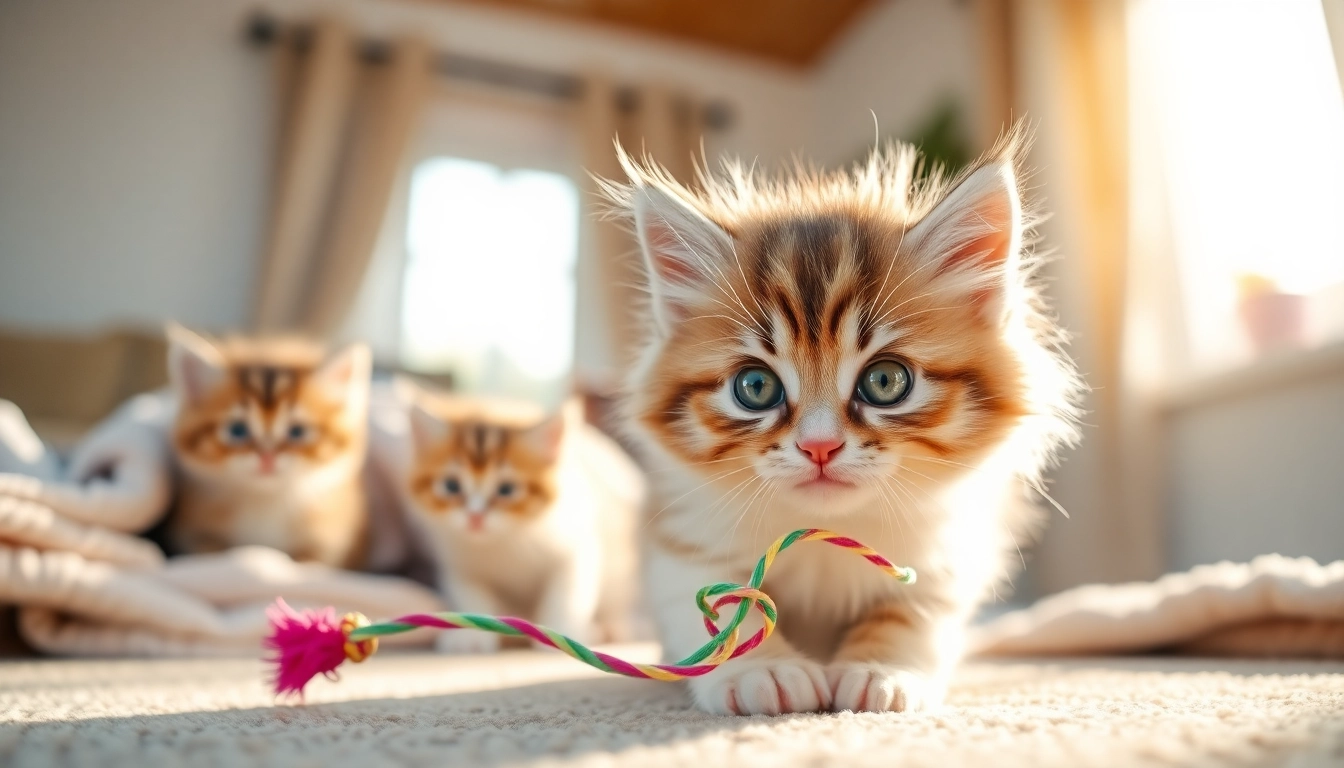
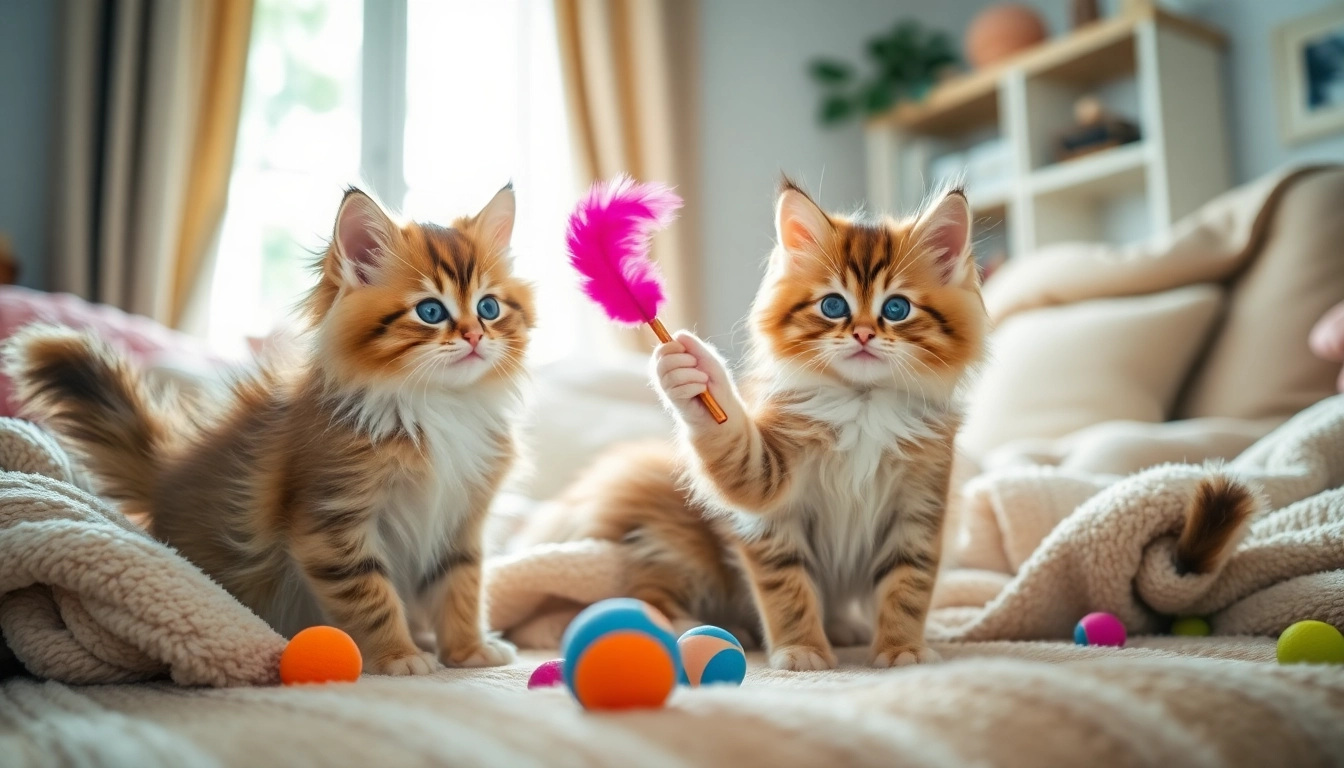
Maine Coon kittens are known for their striking appearance, marked by their large size and muscular build. These kittens typically have tufted ears, bushy tails, and a ruff around their neck, reminiscent of a lion’s mane. Their coats are long, thick, and water-resistant, adapted to withstand varying weather conditions. The coloration of Maine Coons is diverse, ranging from classic tabbies to solid and bi-colored patterns. Adult Maine Coons can weigh between 10 to 25 pounds, and when still kittens, they exhibit rapid growth, making it essential to monitor their development closely.
Temperament and Behavior
Known for their friendly and sociable temperament, Maine Coon kittens tend to be affectionate, gentle, and engaging companions. They are often described as “dog-like” because of their loyalty and playfulness. These kittens enjoy human interaction and can adapt well to various living environments, whether a bustling family home or a serene apartment. Their intelligence enables them to learn tricks and commands quickly. However, it’s essential to note that while they are generally sociable, Maine Coons require early socialization and positive learning experiences to develop into well-rounded adults.
Choosing the Right Maine Coon Kitten for Sale
Identifying Reputable Breeders
When searching for maine Coon kittens for sale, it’s crucial to identify reputable breeders. Start by researching breeders who specialize in Maine Coons and are recognized by cat breed associations. Look for breeders who prioritize the health and well-being of their cats, offer proper vaccinations, and conduct health screenings to avoid genetic disorders. A responsible breeder will also interact openly and transparently, allowing prospective buyers to ask questions and visit their facilities.
Assessing Health and Wellness
Prioritizing health and wellness is fundamental when choosing a Maine Coon kitten. Prospective owners should request health certificates and documentation of vaccinations from breeders. It’s also advisable to inquire about the parents’ health history, including tests for common genetic conditions such as hypertrophic cardiomyopathy (HCM) and hip dysplasia. Kittens should also be examined by a veterinarian before being sold. Observing the kittens in their breeding environment can provide insights into their general health, behavior, and socialization.
Choosing Between Purebred and Mixed Breeds
When considering whether to adopt a purebred or a mixed-breed Maine Coon, it’s important to understand the differences between the two. Purebred Maine Coons come with Breeder Registration papers and tend to exhibit predictable traits in terms of appearance and temperament. However, mixed breeds may still share some characteristics of the Maine Coon while potentially offering a broader genetic diversity that can contribute to improved health. Weighing your priorities—such as appearance, breed characteristics, and health risks—can assist you in making the right decision for your family.
Preparing Your Home for Your Maine Coon Kitten
Essential Supplies to Have Ready
Before bringing your Maine Coon kitten home, it’s essential to gather necessary supplies to ensure a smooth transition. This includes high-quality food that meets their nutritional needs, water and food bowls, a comfortable litter box, and appropriate litter. It’s also important to provide cozy bedding and scratching posts, which are crucial for their comfort and mental stimulation. Consider investing in interactive toys that can engage your kitten’s playful nature, as well as a carrier for vet visits or travel.
Creating a Safe and Stimulating Environment
A stimulating environment is vital for the healthy development of your Maine Coon kitten. Creating a safe space entails ensuring that hazards such as toxic plants, electrical cords, and small items that can be swallowed are out of reach. Provide vertical spaces, such as cat trees or shelves, for climbing, as Maine Coons love to explore their surroundings. Ensuring that the environment is enriched with various toys, scratching posts, and hiding spots will keep your kitten entertained and physically active.
Introducing Your Kitten to Family Members
When introducing your Maine Coon kitten to family members, it’s vital to create a calm and welcoming atmosphere. Allow your kitten to explore the home at its own pace while ensuring that children and other pets behave gently. Emphasize the importance of handling the kitten with care to prevent overwhelming it. Gradually introduce all family members in a controlled manner while rewarding positive interactions with treats and praise, facilitating a smooth adaptation process.
Caring for Your Maine Coon Kitten
Nutrition and Diet Guidelines
The right nutrition is essential for the healthy growth and development of your Maine Coon kitten. It’s pivotal to provide a high-quality, protein-rich diet designed specifically for kittens. Look for foods that include real meat as the first ingredient, and avoid fillers and artificial preservatives. Additionally, ensure that fresh water is always available. Consult your veterinarian to create a meal plan that adjusts as your kitten grows, discussing any specific dietary needs based on health and activity levels.
Grooming Tips for Long-haired Kittens
Maine Coons have stunning long-haired coats that require regular grooming to prevent matting and to keep their fur healthy. It’s recommended to brush your kitten’s coat at least twice a week to remove loose fur and reduce shedding. Start grooming early to help your kitten acclimate, using a wide-toothed comb or a slicker brush for best results. Bathing should be done sparingly, as it can strip natural oils; rather, focus on regular brushing and maintaining ear cleanliness.
Health Care and Veterinary Considerations
Regular health care is essential for your Maine Coon kitten. Schedule visits to the veterinarian for vaccinations, deworming, and check-ups to monitor their health and development. Discuss preventive care practices, such as flea control and dental hygiene. Understand the common health issues in Maine Coons and remain observant of any signs of illness. A proactive approach to veterinary care will help ensure that your kitten remains healthy throughout their life.
Training and Socialization for Maine Coon Kittens
Basic Training Techniques and Tips
Training your Maine Coon kitten can foster desirable behavior and strengthen the bond between you and your pet. Begin with basic commands such as “sit” and “stay,” utilizing positive reinforcement techniques such as treats and praise. Keep training sessions short and engaging to maintain your kitten’s attention. Consistency is also key in training; be sure to use the same commands and methods to reinforce learning effectively.
Socializing with Other Pets
Proper socialization is crucial for Maine Coon kittens, especially if you have other pets. Gradually introduce new animals in a structured manner, allowing each pet to acclimate to the presence of the others without overwhelming them. Use positive reinforcement to reward calm behavior, and supervise all interactions to ensure safety. Socializing your kitten with a variety of people, environments, and experiences will contribute to their overall well-roundedness as an adult cat.
Understanding Common Behavior Issues
Like all pets, Maine Coon kittens may exhibit common behavior issues, including excessive meowing, scratching furniture, or litter box problems. Understanding the underlying causes can help you address these issues effectively. For instance, excessive meowing may indicate boredom or the need for attention, while scratching can be alleviated by providing appropriate outlets, such as scratching posts. Remain patient and observant, adjusting your approach as needed to nurture positive behavior.
FAQs About Maine Coon Kittens
What is the typical lifespan of Maine Coon cats?
Maine Coon cats generally live between 12 to 15 years, with some reaching even longer if well taken care of.
Are Maine Coons good with children?
Yes, Maine Coons are known for their friendly and gentle nature, making them great companions for children.
How large do Maine Coons get?
Maine Coons can weigh between 10 to 25 pounds and are one of the largest domesticated cat breeds.
Do Maine Coons require special grooming?
Yes, Maine Coons need regular brushing due to their long fur to prevent tangles and matting.
How often should I take my Maine Coon to the vet?
Regular veterinary check-ups are essential; it’s advisable to take your Maine Coon for annual exams and vaccinations.