Understanding the Basics of Mining
Definition and Importance of Mining
Mining is the process of extracting valuable geological materials and minerals from the surface of the Earth. It plays a vital role in the economy by providing raw materials for various industries, from construction to technology. The extraction of materials such as metals, coal, and precious stones is essential for creating products that sustain modern life. As the demand for resources grows, mining continues to evolve, serving as a backbone for economic development worldwide.
Historical Overview of Mining Practices
Mining dates back to prehistoric times when ancient civilizations extracted flint for tool-making. Over the centuries, techniques have significantly evolved. The Romans utilized sophisticated mining gear, while the Industrial Revolution marked a profound shift toward mechanization. As societies progressed, mining adapted to larger scales and deeper excavations. Each era has contributed to refining mining practices, driven by technological advancements and the increasing demand for minerals.
Types of Minerals Extracted Through Mining
Various minerals are extracted through mining, categorized into different groups based on their properties and uses. Key types include:
- Metals: This group includes precious metals like gold and silver, along with base metals such as copper and aluminum, utilized in construction and electronics.
- Non-Metallic Minerals: These encompass industrial minerals such as sand, gravel, and limestone, used primarily in construction and manufacturing.
- Energy Minerals: This category includes coal, oil, and natural gas, fundamental for energy production and various industrial processes.
- Gemstones: Rare and valuable minerals, like diamonds and rubies, often extracted for jewelry and investment purposes.
Techniques Used in Mining
Surface Mining Methods Explained
Surface mining is employed when minerals are located close to the Earth's surface. This technique is more economical and efficient compared to underground mining. Key surface mining methods include:
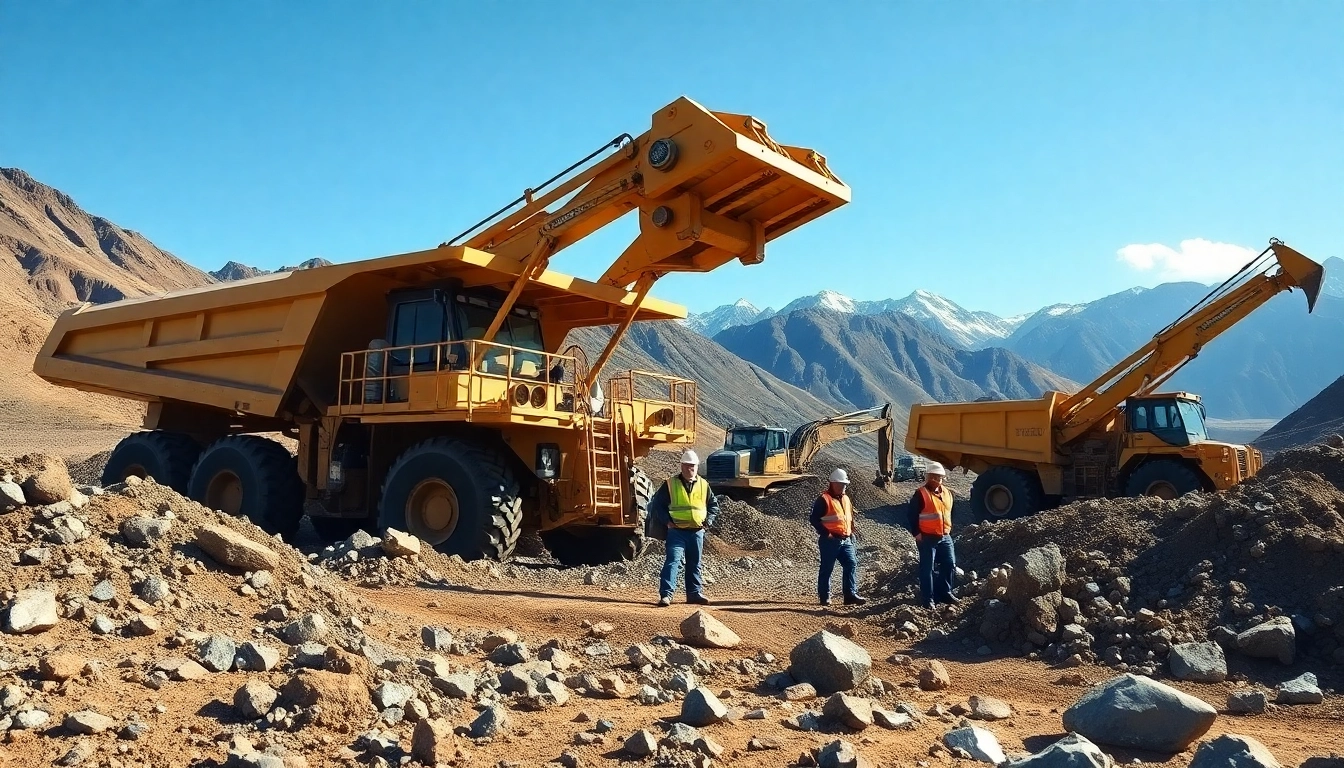
- Open-Pit Mining: A method where large quantities of earth are excavated to expose minerals situated near the surface. This technique allows for the removal of wide expanses of material.
- Strip Mining: Involves stripping layers of soil and rock to access minerals or coal. It's often used for coal and involves removing soil in parallel strips.
- Quarrying: Focused on extracting stone, minerals, and aggregates. This method is often used for dimension stone or gravel.
Underground Mining Methods
When minerals lie deep within the Earth, underground mining becomes necessary. This method is more complex and involves several techniques, including:
- Shaft Mining: Involves digging vertical shafts to reach underground deposits. This method is costlier and requires more resources than surface mining.
- Room and Pillar Mining: A system of extracting minerals while leaving pillars of material to support the overlying rock. Commonly used in coal mining.
- Longwall Mining: This method employs a rotating drum that shears minerals from the wall, working in a horizontal manner, allowing for efficient recovery.
Innovative Techniques in Mining
Recent advancements have sparked innovation within the mining sector. Technologies such as automated equipment and drones facilitate efficiency and safety. Moreover, digitization is becoming prevalent, with data analytics used to optimize operations. Emerging practices like in-situ mining allow the extraction of minerals without excavating, significantly reducing environmental impact. These innovations are pivotal in creating sustainable mining practices.
Environmental Impacts of Mining
Effects on Local Ecosystems
Mining can profoundly affect local ecosystems. The removal of vegetation and soil alters habitats, often leading to biodiversity loss. Water pollution from mining processes contaminates nearby water sources, affecting wildlife and human communities. Soil erosion and sedimentation further decrease land usability and agricultural viability. However, understanding these impacts is vital to developing more sustainable mining practices.
Mitigating Environmental Damage
To reduce environmental impacts, mining companies must implement sustainable practices. Techniques involve land reclamation, where mined areas are restored to their original state or converted for other uses. Additionally, monitoring emissions and improving waste management practices are crucial. Green technologies, such as using renewable energy in mining operations, further contribute to environmental conservation.
Regulatory Compliance in Mining
Mining operations are subject to numerous regulations aimed at protecting the environment. Compliance with federal and state regulations is mandatory, involving thorough assessments of potential environmental impacts before commencing operations. Companies often engage in transparent reporting and stakeholder consultations to ensure sustainability and community engagement in their mining practices.
The Future of the Mining Industry
Technological Advancements in Mining
The future of mining is likely to hinge on technology. Automation is set to increase safety and reduce operational costs. Drug analytics and artificial intelligence allow for improved exploration and resource management. Innovations in eco-friendly processes are also likely to become standard, helping to mitigate environmental issues and promote sustainability in the industry.
Market Trends and Predictions
The global demand for minerals continues to rise, driven by advances in technology, renewable energy, and infrastructure development. Markets are expected to diversify as new materials become critical for modern technology, including lithium and cobalt for batteries. Continuous investment in mining infrastructure and exploration is projected, strengthening the industry's capacity to meet future demands.
Impact of Global Demand on Mining
As global populations grow and urbanization increases, the demand for mineral resources is set to rise sharply. This heightened demand can lead to improved mining technologies and methods to extract resources more efficiently. However, it also places pressure on the industry to ensure sustainable practices are adopted, balancing resource extraction with environmental preservation.
FAQs About Mining
What is the definition of mining?
Mining refers to the process of extracting valuable minerals and geological materials from the Earth, necessary for various industries and technologies.
How many types of mining methods are there?
There are several types of mining methods, primarily categorized into surface mining, underground mining, placer mining, and in-situ mining, each suited for different minerals.
What minerals are primarily extracted by mining?
Common minerals extracted through mining include metals like gold, silver, and copper, alongside coal, limestone, and various industrial minerals.
What are the environmental effects of mining?
Mining can lead to habitat destruction, water pollution, soil erosion, and biodiversity loss, highlighting the need for sustainable practices in the industry.
What innovations are shaping the future of mining?
Technological advancements such as automation, data analytics, and eco-friendly mining practices are transforming the industry, promoting efficiency and sustainability.