Understanding California’s Wine Regions
Overview of the Best Wineries in California
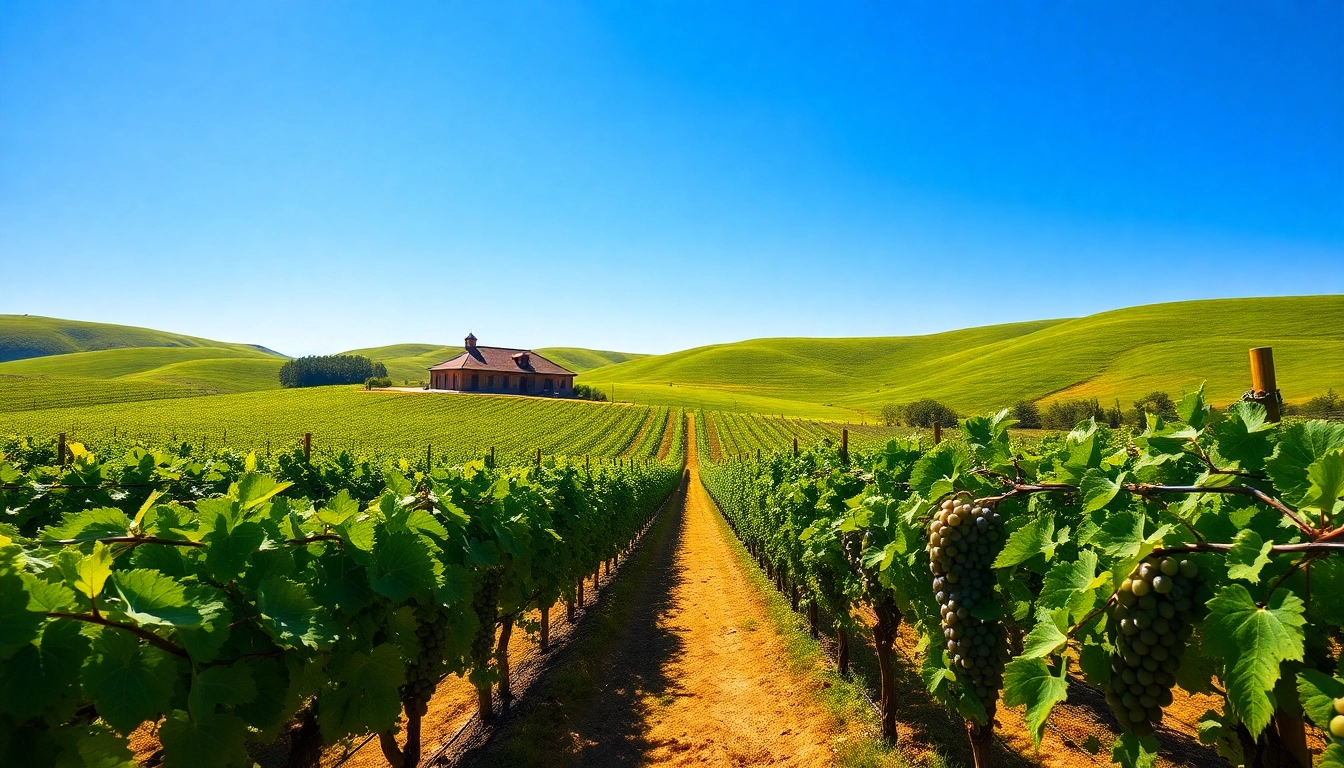
California boasts some of the most celebrated wine regions globally, making it a prime destination for wine enthusiasts. From the picturesque vineyards of Napa Valley to the rolling hills of Sonoma County, the state is home to a diverse selection of wineries with unique offerings. To explore the best wineries in California, one must understand the nuances of what each region brings to the table, both in terms of wine quality and the overall visitor experience.
Key Characteristics of Different Regions
Each wine region in California has its distinct character, shaped by its climate, geographical features, and winemaking traditions:
- Napa Valley: Known for its Cabernet Sauvignon and Chardonnay, Napa’s Mediterranean climate, characterized by warm days and cool nights, allows for optimal grape ripening.
- Sonoma County: Home to a wider range of varietals due to its diverse climates, Sonoma excels in producing Sauvignon Blanc and Pinot Noir.
- Central Coast (Paso Robles): With a warmer climate, this region is celebrated for its Zinfandel and Rhône varietals. The terroir creates rich, full-bodied wines.
- Santa Barbara County: The unique east-west mountain ranges create distinct microclimates, perfect for producing high-quality Pinot Noir and Chardonnay.
Climate and Soil Impact on Wine Quality
The quality of wine in California is profoundly influenced by its climate and soil. The state’s geography creates various microclimates, each suited to different grape varieties. The coastal regions benefit from cooler breezes that help maintain acidity in grapes, while inland areas experience higher temperatures that promote ripe, fruit-forward flavors. Additionally, the diverse soil types, including clay, sand, and limestone, contribute not only to the flavors of the wines but also to the resilience of the grapevines against pests and diseases.
Top-Rated Wineries to Visit
Highlighting Iconic Wineries
While exploring the best wineries in California, several iconic establishments stand out due to their historical significance and exceptional wines:
- Robert Mondavi Winery: An emblem of Napa’s wine renaissance, noted for its premium Cabernet Sauvignon.
- Chateau Montelena: Famous for its Chardonnay, which won the Paris Wine Tasting of 1976, putting California wines on the map.
- Stag’s Leap Wine Cellars: Renowned for world-class Cabernet Sauvignon that has garnered numerous accolades over the decades.
Hidden Gems Worth Discovering
Beyond the well-known names, California is home to several lesser-known wineries that merit a visit:
- En Route Winery: A boutique winery in Sonoma known for its exceptional Pinot Noir, offering a personalized tasting experience.
- Pine Ridge Vineyards: Located in Napa, it offers stunning views and a unique blend of varietals all produced with sustainability in mind.
- Laetitia Vineyard & Winery: Nestled in the Central Coast, this vineyard specializes in sparkling wines and offers picturesque ocean views.
Wine Tours and Tastings Experiences
Experiencing the best wineries in California isn’t just about tasting wine; it’s about the entire experience. Many wineries offer guided tours, barrel tastings, and food pairings to enhance the visit:
- Private Tours: Many top wineries offer exclusive private tours that provide deeper insights into their winemaking processes.
- Food Pairing Events: Culinary events paired with wine tastings allow visitors to explore how different flavors complement each other.
- Sustainable Practices Tours: A growing number of wineries are adopting organic and biodynamic practices, offering tours that detail their commitment to sustainability.
Types of Wines from California
Popular Varietals and Their Profiles
California’s diverse terroir allows for the cultivation of a rich variety of grape types, each producing distinct wine flavors:
- Cabernet Sauvignon: Rich and full-bodied with notes of dark fruit and a characteristic structure.
- Chardonnay: From buttery and oaky to crisp and mineral-driven, this varietal offers a wide range of expressions.
- Pinot Noir: Known for its elegance, showcasing flavors of cherry, raspberry, and earthy undertones.
- Zinfandel: Often referred to as California’s heritage grape, Zinfandel is known for its bold fruit flavors and spiciness.
Emerging Trends in California Wines
As the wine industry evolves, several trends are shaping the future of California wines:
- Natural Wines: An increased interest in organic farming and reduced intervention in winemaking is leading to a rise in natural wines.
- Pet-Nat Sparklings: Petillant Naturel offerings are gaining popularity for their vibrant, fresh character.
- Experimental Varietals: Winemakers are exploring lesser-known grapes like Grüner Veltliner and Tannat to diversify their portfolios.
Food Pairing Suggestions for California Wines
Pairing California wines with food can enhance the tasting experience. Here are some suggestions:
- Cabernet Sauvignon: Try it with grilled steak, lamb dishes, or hard cheeses.
- Chardonnay: Pairs beautifully with seafood, roasted chicken, or creamy pasta dishes.
- Pinot Noir: Excellent with duck, mushrooms, or spicy Asian dishes.
- Zinfandel: A match made in heaven with barbecue, pizza, or hearty pastas.
Planning Your Wine Tasting Trip
Best Times to Visit Wineries
The timing of your visit can greatly affect your experience. Generally, the best times to visit include:
- Harvest Season (September – November): Experience the bustling atmosphere as grapes are harvested and crushed.
- Spring (March – May): Fewer crowds and beautiful blooms make it a lovely time to explore vineyards.
- Fall (September – November): Witness the changing colors of the vineyard landscape and participate in harvest festivals.
Setting a Budget for Your Experience
Planning your wine tasting trip should include a budget consideration. Here are some key factors that can influence your overall expenses:
- Tasting Fees: Many wineries charge a fee for tastings, which can vary widely, sometimes including the fee in wine purchases.
- Transport Costs: Whether renting a car, booking a tour, or using ride-sharing services, transportation can add to your budget.
- Dining Out: Factor in costs for meals, as many tasting experiences will include food pairings.
Transportation and Accommodation Tips
Easy access to transportation and comfortable accommodations can elevate your trip experience:
- Transportation: Consider hiring a designated driver or joining an organized tour to safely enjoy wine tastings.
- Accommodations: Research local stays, from luxury resorts to cozy inns, ideally located within wine regions.
- Plan Ahead: Making reservations in advance for both tastings and lodging can ensure a smoother trip.
Frequently Asked Questions About California Wineries
What are the best wines produced in California?
California is renowned for its Cabernet Sauvignon, Chardonnay, and Pinot Noir, showcasing diverse flavors and styles that cater to different palates.
What are the top wine regions in California?
The most notable regions include Napa Valley, Sonoma County, and Paso Robles, each offering unique terroirs and wine profiles that appeal to different preferences.
How do I choose the right winery to visit?
Consider your wine preferences, the atmosphere you desire, and available activities, such as tours and tastings that will enrich your experience.
Are appointments necessary for wine tastings?
Many wineries recommend making reservations, especially during busy seasons, to guarantee an enjoyable and personal wine tasting experience.
What is the best time to visit California wineries?
The fall harvest season (September to November) offers vibrant activities, while the spring is ideal for fewer crowds and pleasant weather.