
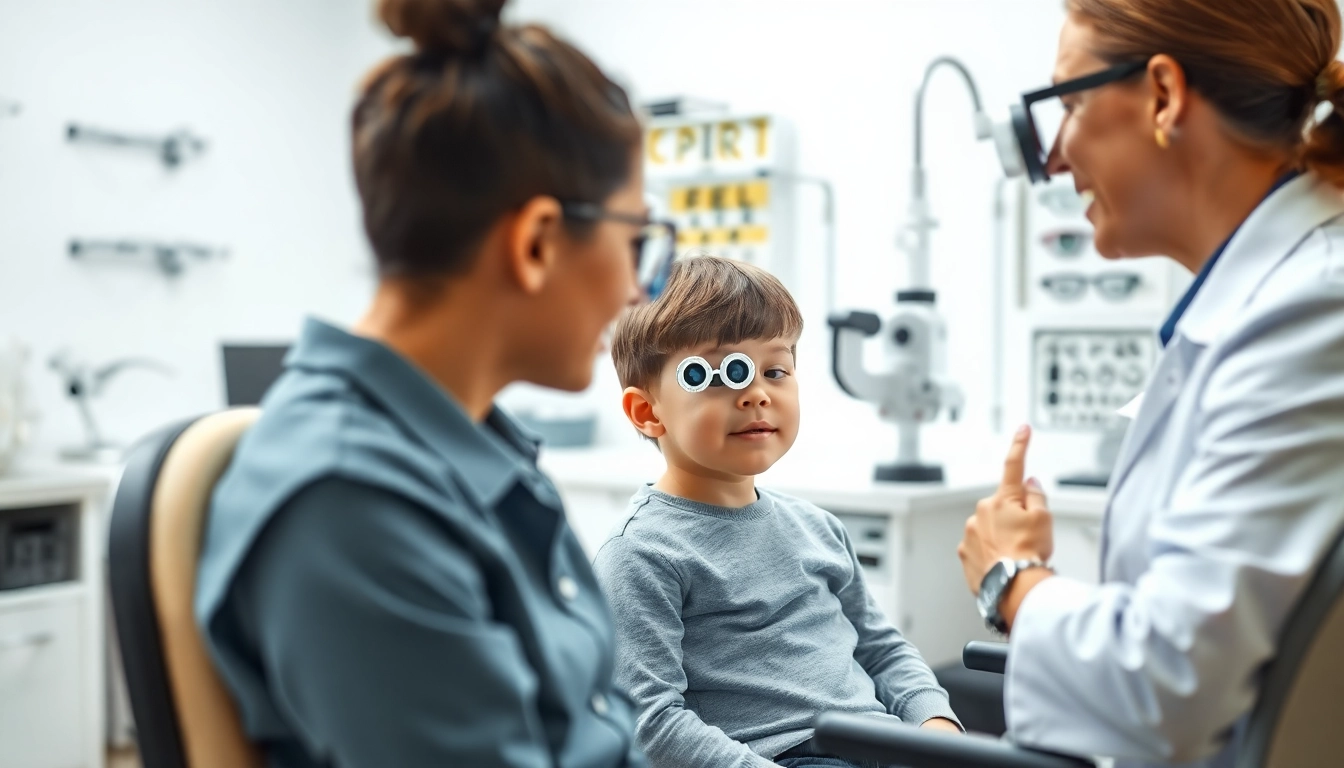
Understanding Our Children’s Vision
The significance of eye health in childhood cannot be overstated, as it plays a crucial role in a child’s overall development and ability to learn. In many cases, undiagnosed vision problems can lead to difficulties in school, reduced self-esteem, and hindered social interactions. Initiatives like Our Children’s Vision aim to address these critical issues by promoting access to essential eye care services to ensure that all children have the opportunity to thrive.
The Importance of Eye Health in Children
Eye health is fundamental during childhood, a period when critical visual development occurs. Approximately 1 in 4 children experiences a vision problem, often undiagnosed, making early detection and treatment vital. Healthy vision contributes to success in academic performance, social interactions, and physical activities. Poor vision can lead to learning difficulties, as visual processing is closely linked to intellectual development. Consequently, prioritizing children’s eye health is paramount, not just for their current well-being but for their future potential.
Common Eye Problems in Childhood
Several prevalent eye conditions affect children, often manifesting silently. These include:
- Refractive errors: Conditions like myopia (nearsightedness), hyperopia (farsightedness), and astigmatism affect the eye’s ability to focus light correctly.
- Amblyopia: Also known as “lazy eye,” this condition results in reduced vision in one eye due to a lack of visual stimulation during early childhood.
- Strabismus: Commonly referred to as crossed eyes, strabismus can lead to amblyopia if not treated timely.
- Conjunctivitis: Often known as pink eye, this inflammation can affect the outer membrane of the eyeball and inner eyelid.
Awareness of these conditions is essential for parents and educators to promote timely interventions and facilitate appropriate treatment options.
Overview of Eye Care Services Available
A comprehensive approach to eye care for children encompasses several key services:
- Routine Vision Screenings: Regular screenings help identify vision problems early. These can be conducted at schools, pediatrician offices, or clinics.
- Comprehensive Eye Examinations: An optometrist or ophthalmologist can perform detailed eye exams to diagnose specific conditions and develop treatment plans.
- Corrective Lenses: Glasses or contact lenses may be recommended to address refractive errors.
- Therapeutic Interventions: This includes treatments such as patching for amblyopia or surgical options for strabismus correction.
These services are critical in preventing long-term vision impairments and supporting children’s learning and development.
Access to Eye Care
Despite the evident need for eye care services, many children encounter barriers that limit their access to essential support. Understanding these obstacles is essential for formulating effective strategies.
Barriers to Eye Care for Children
Numerous factors contribute to the challenges children face in accessing eye care:
- Lack of Awareness: Many parents are unaware of the importance of routine eye exams or the signs of vision problems.
- Financial Constraints: The cost of eye care services, glasses, or treatments can be prohibitive for families, particularly those without insurance.
- Geographical Barriers: Rural areas may lack adequate eye care facilities, making it difficult for families to seek help.
- Transportation Issues: Families may struggle with getting to appointments, especially when public transport is inadequate or if parents work multiple jobs.
Addressing these barriers requires comprehensive strategies that engage communities, policymakers, and health care providers.
Expanding Access Through Community Programs
Community programs play a vital role in bridging the gap between children and the eye care they need. Initiatives can include:
- Mobile Eye Clinics: These clinics travel to underserved areas to provide screenings and services directly to families.
- School-Based Programs: Collaborating with schools to implement vision screenings and education can increase awareness and access.
- Health Fairs and Community Events: Organizing health events that include eye care can engage families and raise awareness.
These programs not only facilitate access but also educate communities about the importance of regular eye care.
Government and Nonprofit Initiatives Supporting Eye Health
National and local governments, along with nonprofit organizations, collaborate to enhance children’s eye health. Some initiatives include:
- Legislation for Vision Screenings: Laws mandating vision checks in schools ensure early detection of potential issues.
- Grants and Funding: Funding for eye care initiatives helps cover costs for low-income families.
- Awareness Campaigns: Public health campaigns aimed at educating parents about the significance of eye health and early intervention.
Collectively, these efforts improve accessibility and foster a culture of proactive eye care within communities.
Awareness and Education
Increasing awareness and education about children’s eye health is vital for facilitating access and understanding the importance of early intervention. The more informed parents and communities are, the better the outcomes for children’s vision health.
Importance of Vision Screening
Routine vision screenings are a fundamental aspect of preventive health care for children. They help detect eye problems before they become serious. Most vision issues can be corrected if identified early. Screenings can occur at various points—at home, school, or during pediatric visits—and should be a regular part of a child’s health care routine.
Parental Guidance for Eye Health
Parents play a crucial role in ensuring their children’s eye health. They can:
- Recognize signs of vision problems, such as squinting, holding books too close, or difficulty seeing the board at school.
- Schedule regular eye exams for their children, starting as early as six months of age and continuing through childhood.
- Encourage healthy habits that support eye health, such as limiting screen time, ensuring proper lighting for reading, and promoting outdoor activities.
By staying informed and proactive, parents can significantly reduce the risk of serious eye issues for their children.
Educational Campaigns for Better Awareness
Community awareness campaigns focused on children’s vision health are effective tools for educating the public. These can include:
- Workshops in schools and community centers.
- Informational brochures distributed through local clinics and health fairs.
- Partnerships with schools to promote “vision awareness days” where screenings and educational resources are made available.
Educational campaigns can foster communication and cooperation between parents, teachers, and health professionals, creating a community-centric approach to eye health.
Collaborative Efforts
Effective solutions to improve children’s vision health require collaboration between various stakeholders, including health professionals, schools, community organizations, and families.
Partnerships Between Organizations
Collaborative partnerships between health organizations, schools, and community groups can amplify efforts to improve children’s eye health. These partnerships can:
- Pool resources for programs targeting underserved areas.
- Develop joint initiatives that combine educational resources with accessibility efforts.
- Monitor and evaluate the outcomes of programs to continually refine strategies and policies.
Through synergistic efforts, organizations can create a robust framework for promoting children’s eye health across communities.
Community Involvement in Eye Care Initiatives
Engaging local communities in eye care initiatives can lead to more sustainable and impactful programs. This can involve:
- Training local volunteers to facilitate screenings or educational sessions.
- Creating advisory councils that include community members to provide input on local needs and solutions.
- Encouraging local businesses to sponsor eye health initiatives.
Community buy-in is essential for ensuring the longevity and impact of eye care programs.
Examples of Successful Collaborations
Several programs have successfully demonstrated the benefits of collaborative efforts. For instance:
- School districts partnering with local health departments to implement comprehensive vision screening programs show significant increases in screening rates.
- Mobile clinics operated in concert with local nonprofits can effectively reach underserved populations while providing essential services.
- Educational campaigns developed jointly between health organizations and schools can raise awareness and encourage preventive care.
These examples illustrate how strategic partnerships can enhance service delivery and outcomes in children’s eye health.
Future Directions in Child Eye Health
The landscape of child eye health is evolving, driven by advancements in technology, research, and increased awareness. Future solutions will likely incorporate innovative strategies to address the ongoing challenges faced in this field.
Innovations in Eye Care Technology
Emerging technologies are transforming the diagnosis and treatment of eye conditions in children. Innovations include:
- Teleophthalmology: Allows for remote consultations, expanding access to eye care for rural and underserved populations.
- Smartphone Applications: Apps that can help detect vision issues and facilitate communication between parents and eye care professionals.
- AI and Machine Learning: These technologies improve diagnostic accuracy and efficiency in identifying eye problems through image recognition algorithms.
Embracing these advancements can lead to improved access and more effective treatment strategies for children’s eye health.
Research on Children’s Vision Health
Ongoing research into the factors affecting children’s vision health is essential for developing targeted interventions. Areas of focus can include:
- The impacts of screen time on visual health and potential preventative measures.
- Understanding genetic predispositions to certain eye conditions to inform early intervention strategies.
- The effects of environmental factors, such as increased urbanization, on children’s vision health.
Insights gleaned from research will help shape future policies and programs to enhance vision health among children.
Your Role in Supporting Our Children’s Vision
Every individual can play a part in enhancing children’s eye health, whether through advocacy, education, or direct support. Here’s how you can contribute:
- Spread awareness of the importance of vision care in your community.
- Volunteer with organizations focused on children’s health.
- Support funding initiatives that enhance accessibility to eye care services.
- Encourage parents in your network to prioritize their children’s eye health.
By being proactive and supportive, we can collectively enhance the vision health and overall well-being of our children, ensuring that they have the necessary tools to succeed in life.