Introduction to Wall Planks
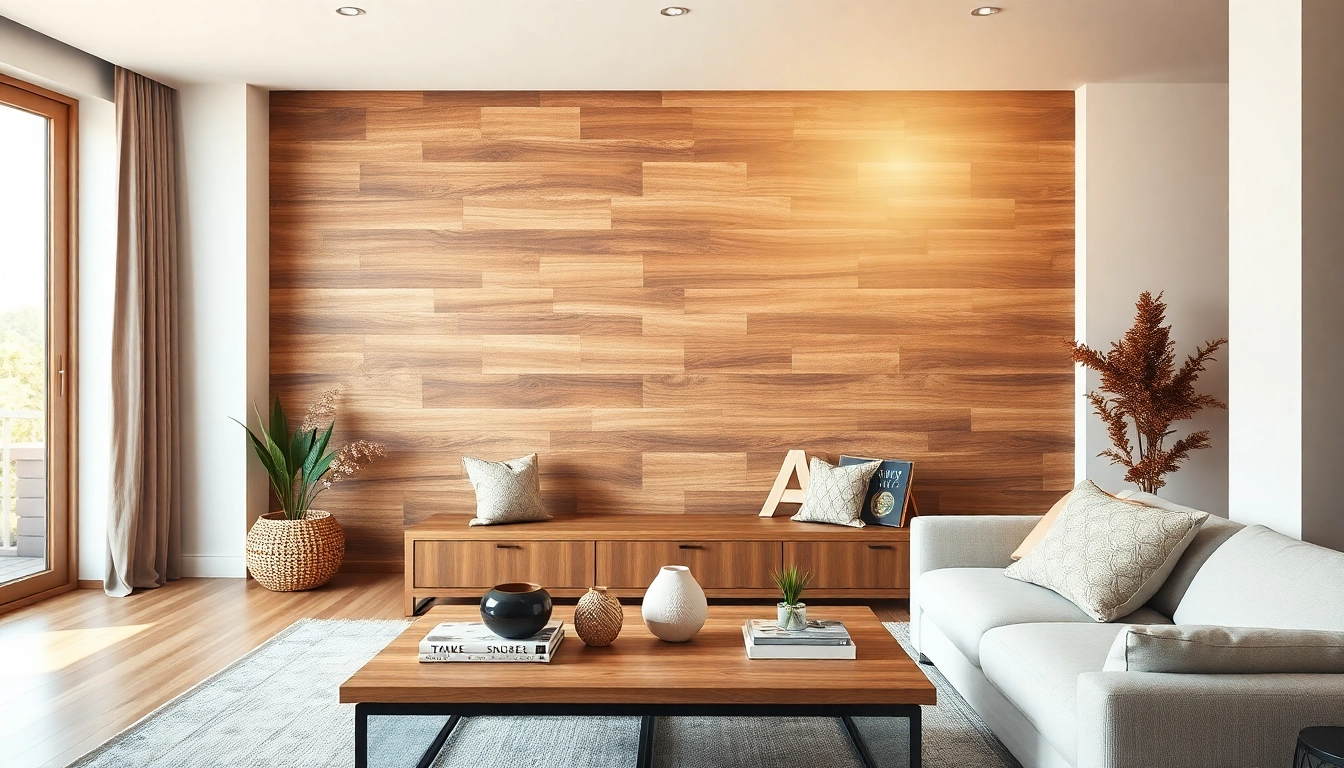
Wall planks have gained substantial popularity in both residential and commercial design domains. These elegant enhancements not only elevate the aesthetic appeal of a space but also offer functional advantages. From adding warmth to a modern space to providing a rustic charm to traditional designs, wall planks serve as versatile solutions for interior decoration. This article delves deep into the nuances of wall planks, exploring their benefits, types, installation methods, and maintenance strategies.
What are Wall Planks?
Wall planks are long, flat pieces of material used to cover walls within various settings. They can be made from a variety of materials, including wood, vinyl, and engineered composites. These planks can be installed either vertically or horizontally, allowing for creative flexibility in design. Traditionally associated with rustic decor, wall planks have evolved, finding their place in modern, minimalist, and eclectic interiors.
Benefits of Using Wall Planks
- Aesthetic Appeal: Wall planks offer a chic way to enhance the visual interest of a space. They can serve as a focal point or complement existing decor.
- Insulation: Certain wall planks provide additional insulation, helping to maintain temperature and reduce energy costs.
- Durability: Made from robust materials, wall planks can endure wear and tear, making them suitable for high-traffic areas.
- Easy Installation: Many wall planks are designed for straightforward installation, often featuring peel-and-stick methods that eliminate the need for professional help.
Different Types of Wall Planks
Wall planks come in various types, catering to different aesthetic preferences and functional needs. Key varieties include:
- Wood Planks: Natural wood offers timeless charm and comes in many finishes.
- Vinyl Planks: These planks are ideal for moisture-prone areas like kitchens and bathrooms, being waterproof and easy to clean.
- Reclaimed Wood Planks: Sourced from salvaged materials, these planks contribute a rustic feel while being environmentally friendly.
- Engineered Wood Planks: Crafted to combine the natural beauty of wood with improved durability and stability.
Choosing the Right Wall Planks
Material Considerations
Choosing wall planks requires a thoughtful consideration of material. Factors such as durability, water resistance, and maintenance needs should guide your selection. Wood offers unmatched beauty but may require more upkeep compared to vinyl or engineered options, which are convenient for heavy-use areas.
Design and Aesthetic Options
The design possibilities with wall planks are virtually limitless. Depending on the pattern—be it horizontal, vertical, or geometric—you can create a personalized look. Additionally, colors and finishes can influence the feel of a space. Light wood tones can make a room feel airy and open, while darker hues add coziness and drama.
Cost and Budgeting
Wall planks are available across a wide price spectrum. Set a budget before you start shopping, considering not only the cost of planks but also installation materials, tools, and any labor costs if you intend to hire professionals. While DIY installation can cut costs, ensure you're equipped with the necessary skills and tools.
Installation Tips for Wall Planks
Tools and Materials Needed
Before embarking on your wall plank installation project, gather essential tools and materials, including:
- Measuring tape
- Level
- Utility knife
- Adhesive (for peel-and-stick options)
- Construction adhesive (for traditional planks)
- Caulk or trim (for finishing touches)
Step-by-Step Installation Guide
- Prepare the Wall: Clean the wall thoroughly, removing dust and debris. Make sure the surface is dry and smooth.
- Measure and Mark: Use the measuring tape to determine where your planks will go. Mark a level line to ensure accuracy.
- Cut the Planks: If necessary, cut the planks to fit using a utility knife. Make sure to wear protective gear.
- Install the Planks: Start from one corner and apply adhesive to the back of the planks. Press them firmly against the wall.
- Add Finishing Touches: Once all planks are up, use caulk or trim to cover any gaps for a polished look.
Common Installation Mistakes to Avoid
While the installation of wall planks may seem straightforward, several common mistakes can hinder the process:
- Skipping Surface Preparation: Always ensure your wall is clean and smooth to guarantee proper adhesion.
- Not Using a Level: Failing to use a level can result in uneven installation, which is visually unappealing.
- Neglecting to Account for Expansion: Wood expands and contracts; leave space for this in your installation process.
Maintaining Your Wall Planks
Cleaning and Care Techniques
Regular maintenance of wall planks is vital to their longevity. Use a soft cloth and mild cleaner for dusting and light cleaning, avoiding harsh chemicals that could damage finishes, especially for wood varieties. For vinyl and engineered options, wipe down with a damp cloth for easy upkeep.
Repairing Damaged Wall Planks
If your wall planks become damaged, address issues promptly to prevent further deterioration. Minor scratches can often be sanded out and refinished. If planks are cracked or warped, consider a full replacement of individual pieces to maintain a uniform appearance.
Long-Term Maintenance Tips
For long-term care, consider applying a sealant to wooden planks to protect against moisture and spills. Regularly inspect for signs of wear, and stay proactive about repairs. Keeping humidity levels stable in your home can also prevent issues related to wood swelling or cracking over time.
Frequently Asked Questions about Wall Planks
Can wall planks be installed in any room?
Yes, wall planks are versatile and can be used in multiple rooms, including living areas, kitchens, and bathrooms, provided the materials are appropriate for moisture.
How do I clean wall planks?
Wall planks can be cleaned using a soft cloth and gentle cleaner. Avoid harsh chemicals that can damage the finish, especially on wooden varieties.
Are wall planks eco-friendly?
Many wall planks, particularly those made from reclaimed materials or sustainable sources, are eco-friendly. Check product details for sustainability certifications.
Do wall planks require special tools for installation?
Most wall planks can be installed with common tools like a measuring tape, level, and utility knife. Peel-and-stick varieties are particularly easy to handle without specialized equipment.
What styles of wall planks are available?
Wall planks come in various styles, including modern, rustic, reclaimed, and traditional designs. Options are available in multiple materials, colors, and patterns to fit different aesthetics.