
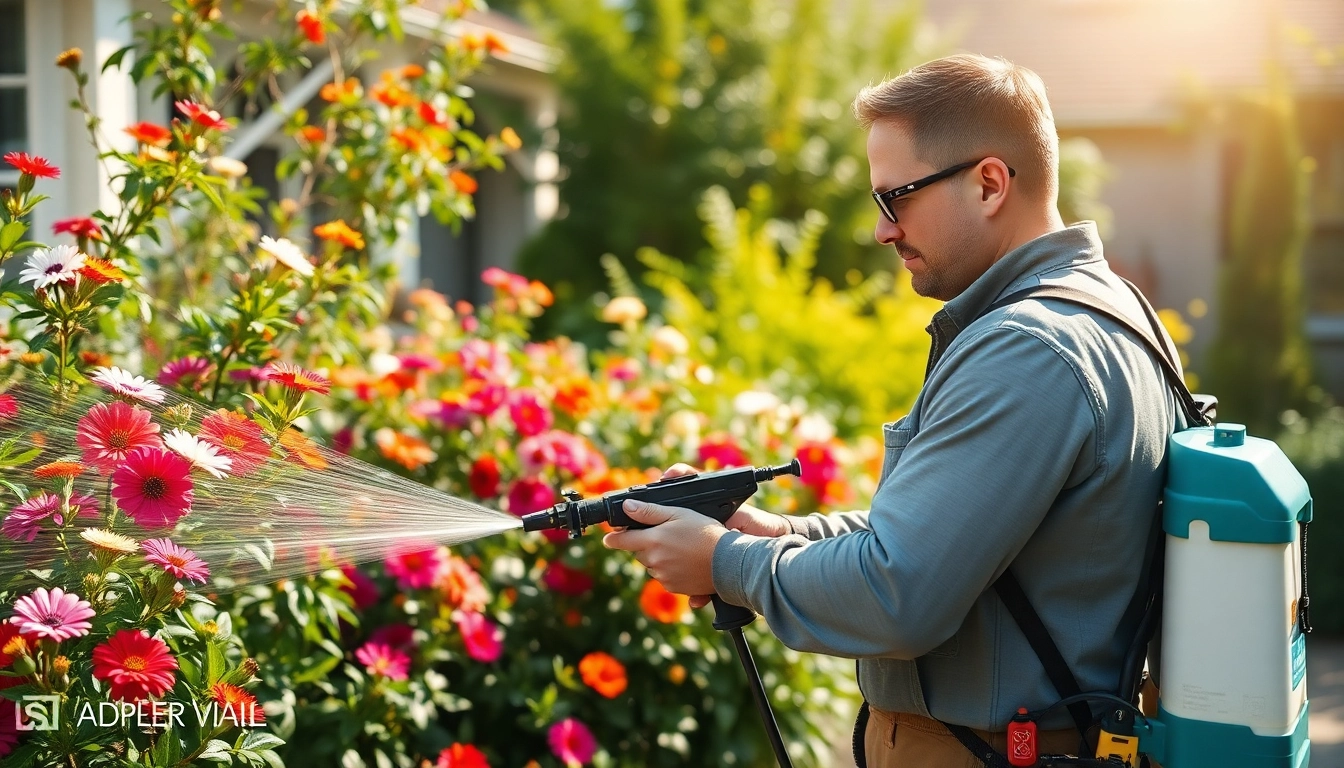
Understanding Seasonal Bug Control
In our ever-changing environment, pests become an inevitable issue for homeowners. Implementing seasonal bug control is crucial for effective pest management. This continuous process helps manage pest populations by targeting their peak activity periods, ensuring that your home stays pest-free throughout the year.
The Importance of Seasonal Bug Control
Seasonal bug control plays a critical role in safeguarding your health, property, and comfort. Pests such as termites, ants, and rodents can cause significant damage to structures and gardens. Moreover, they can pose threats to your family’s health through disease transmission. The proactive approach of seasonal bug control not only minimizes the likelihood of infestations but also ensures that preventive measures are tailored to the seasonal behavior of pests, making the treatments more effective.
Common Seasonal Pests
Understanding the specific pests that are prevalent during different seasons can enhance your control strategy. Common seasonal pests include:
- Spring: Ants, termites, and mosquitoes tend to emerge.
- Summer: Flies, wasps, and ticks become increasingly common.
- Fall: Rodents and spiders often seek shelter indoors.
- Winter: Indoor pests like cockroaches may become more noticeable as they thrive in warm conditions.
How Weather Influences Pest Activity
Weather patterns significantly affect pest activity. For example, warm and wet conditions can lead to increased mosquito populations, while cold winters may drive rodents indoors. Understanding these variables enables homeowners to anticipate pest behavior and plan effective seasonal bug control strategies. Tracking weather forecasts can also help synchronize pest treatments to when pests are most active, ensuring optimal effectiveness of control measures.
Methods of Seasonal Bug Control
Implementing efficient bug control methods can greatly vary based on the pest species and seasonal dynamics. Below are some effective methods that can be employed.
Preventive Measures for Homes
Preventive measures are foundational to any successful seasonal bug control strategy. These measures include:
- Sealing Entry Points: Inspect and seal cracks, gaps, and holes in windows, doors, and the foundation.
- Regular Maintenance: Keep gutters clean and ensure that landscaping is well-maintained to eliminate hiding spots.
- Proper Waste Management: Store food scraps and waste properly to prevent attracting pests.
Eco-Friendly Bug Control Options
In recent years, eco-friendly options for pest control have gained popularity due to their minimal impact on the environment. Some effective eco-friendly methods include:
- Natural Repellents: Use essential oils such as peppermint oil or vinegar to deter pests.
- Biological Control: Introduce natural predators, like ladybugs, to control aphid populations.
- Organic Pesticides: Consider using organic formulas that are safe for both insectivores and pollinators.
Professional Services vs. DIY
Choosing between professional pest control services and DIY methods can depend on various factors such as the severity of the infestation and personal expertise. Professional services offer tailored strategies based on experience and access to advanced treatments that are often more effective. However, DIY approaches can suffice for minor issues or routine pest prevention, making it essential to evaluate your specific situation before deciding.
Implementing Seasonal Bug Control Techniques
To effectively implement bug control techniques, following systematic steps ensures that measures are productive.
Steps for Effective Bug Control
Here are practical steps to ensure effective seasonal bug control:
- Assessment: Identify the types of pests and assess the extent of the problem.
- Planning: Create a targeted control plan that includes preventive and responsive measures.
- Execution: Implement the planned strategies consistently throughout the season.
- Maintenance: Continuously monitor the situation and adjust as necessary.
Timing Your Treatments
Timing is crucial in achieving successful seasonal bug control. Pest populations often surge during specific periods, making it essential to synchronize treatments with these peaks. For example, applying preventative treatments before seasonal peaks can thwart infestations before they take hold. Generally, a proactive approach with seasonal treatments can avert larger problems, ensuring the household remains pest-free.
Monitoring and Adjusting Strategies
Ongoing monitoring of pest activity is vital for effective seasonal bug control. Monitoring can involve regular inspections and keeping an eye on pest sightings. If pest populations rise despite ongoing treatments, adjusting strategies — whether that means changing the type of product used or altering application methods — will be necessary to regain control.
Common Challenges in Seasonal Bug Control
Even with a robust control strategy, challenges may arise. Understanding these challenges helps in preparing solutions.
Tackling Resistant Pest Populations
Over time, certain pests may develop resistance to specific pesticides. To combat this, rotate the types of control methods used to prevent resistance escalation. Integrating physical barriers, like traps, alongside chemical treatments can provide robust solutions.
Adverse Weather Effects on Treatments
Weather can profoundly impact the effectiveness of pest control applications. Heavy rain might wash away treatments, while extreme heat may cause products to degrade. Always check weather forecasts before treatment and consider adjusting scheduling based on expected conditions.
Myths About Bug Control
Myths surrounding bug control can lead to ineffective practices. For instance, believing that pest control is only necessary when pests are visible can result in significant infestations. Education about pest behavior and lifecycle can help demystify misconceptions and lead to more effective interventions.
Measuring Success in Seasonal Bug Control
Measuring success involves evaluating the effectiveness of your pest control efforts through specific metrics.
Key Performance Indicators to Watch
Key performance indicators (KPIs) such as inspection results, the frequency of pest sightings, and the efficacy of treatments should be monitored. Assessing these metrics over time reveals the actual effectiveness of your seasonal bug control measures, allowing for necessary adjustments.
Customer Feedback and Satisfaction
Collecting feedback from household members about pest activity can provide qualitative data on the success of treatments. Satisfaction surveys can reveal perceptions regarding comfort and safety, which are essential elements of a successful pest control strategy.
Long-term Pest Management Strategies
Long-term strategies involve preparing for seasonal changes and lifecycle variations of pests. Establishing a seasonal schedule of inspections, proactive treatments, and continuous education about potential pests ensures sustained effectiveness in maintaining a pest-free home.
Frequently Asked Questions
1. What is seasonal bug control?
Seasonal bug control refers to the targeted strategies implemented to manage pests during specific times of the year. These strategies address various pest behaviors related to different seasons.
2. How often should seasonal bug control be applied?
Application frequency depends on the type of pest and the region. Generally, treatments should be applied at least quarterly to maintain an effective barrier.
3. Are eco-friendly options available for seasonal bug control?
Yes, many eco-friendly pest control products and techniques exist that minimize environmental impact while effectively managing pests.
4. Can I handle seasonal bug control myself?
While DIY methods are available, professional pest control services often provide more effective and long-lasting results due to their expertise and access to specialized treatments.
5. What signs indicate I need seasonal bug control?
Signs include increased pest sightings, damage to plants or home structures, and unusual pest activity during any season.