
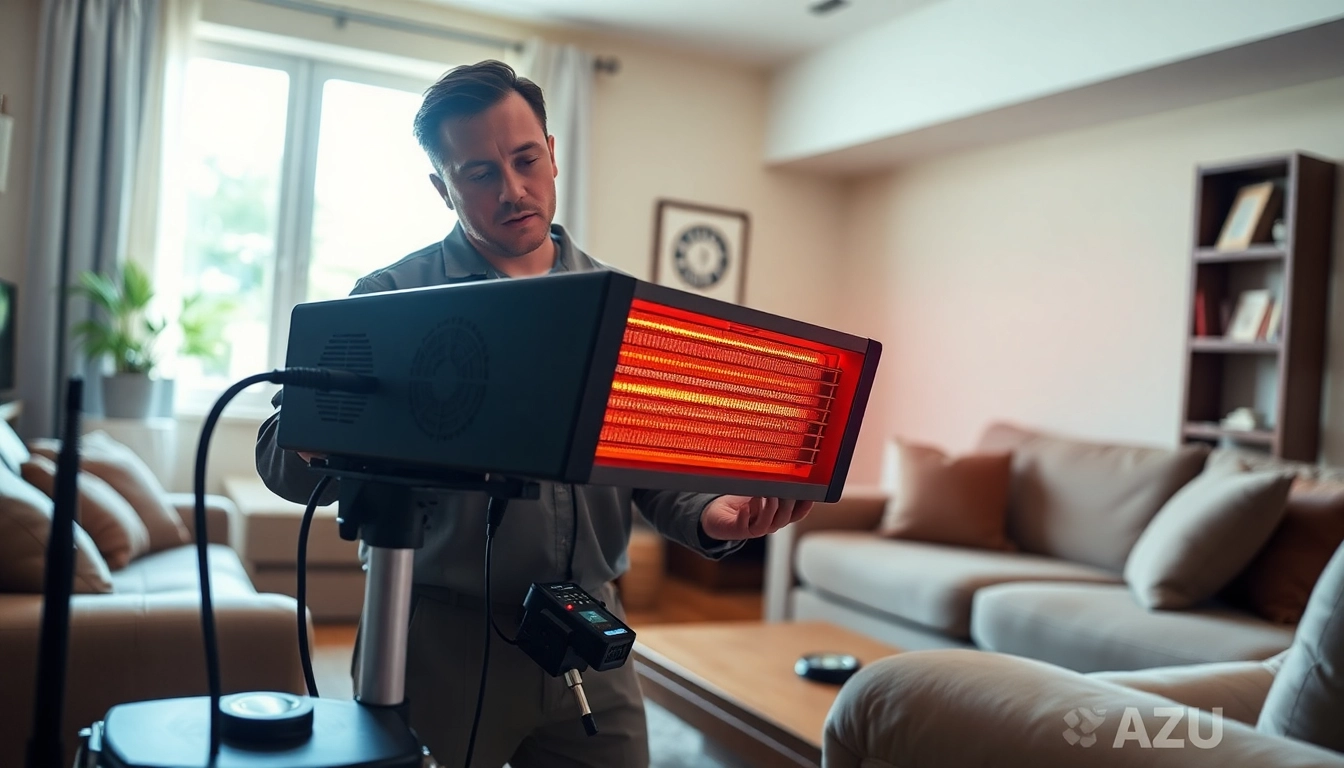
Understanding Bed Bug Heat Treatment
What is Bed Bug Heat Treatment?
Bed bug heat treatment is a highly effective method for exterminating bed bugs and their eggs by exposing them to elevated temperatures. This process involves raising the ambient temperature of the infested area to between 120°F and 140°F (49°C to 60°C), which is lethal for bed bugs at all life stages. The treatment offers a non-toxic alternative to traditional pest control chemicals, making it increasingly popular among homeowners and tenants suffering from infestations. For detailed procedures on the process, you might consider researching bed bug heat treatment.
How Does Heat Eliminate Bed Bugs?
Bed bugs are highly susceptible to temperature changes; exposure to temperatures above 113°F (45°C) for extended periods can be detrimental. When subjected to extreme heat, bed bugs die quickly. At 118°F (48°C), they can be eliminated in 20 minutes, while higher temperatures can shorten this time. The effectiveness of heat treatment lies in its ability to penetrate deep into surfaces such as mattresses, floorboards, and furniture, reaching eggs and adult bugs that might be hidden.
The Benefits of Choosing Heat Treatment
Choosing heat treatment for bed bugs comes with several benefits:
- Environmentally Friendly: Heat treatment uses no harmful chemicals, making it a safer option for households with pets and children.
- Complete Pest Eradication: This method targets all life stages of bed bugs, including eggs, ensuring a comprehensive extermination.
- Time-Efficient: Many treatments can be completed in a single day, reducing the time you have to live with an infestation.
- Long-Lasting Effects: Properly executed heat treatments often lead to permanent results, especially when coupled with preventative measures.
Preparing for a Bed Bug Heat Treatment
Pre-Treatment Steps for Homeowners
Preparation is crucial for the success of bed bug heat treatment. Here are vital steps to take:
- Declutter: Remove clutter from affected areas to ensure effective heat penetration.
- Inform Your Exterminator: Disclose any recent treatments and the extent of your bed bug problem.
- Remove Heat-Sensitive Items: Take away items sensitive to heat, such as plants, candles, and any electronics.
- Prepare for a Temperature Increase: Expect a significant temperature rise, so prepare accordingly.
What to Expect During the Treatment?
During the heat treatment, you can expect the following:
- Team Arrival: A team of trained technicians will arrive with specialized heating equipment.
- Setup Phase: Heaters will be strategically placed to ensure even heat distribution throughout the space.
- Monitoring: The area will be monitored continuously to maintain the desired temperature range.
- Duration: The heat will be applied for several hours, generally between 4 to 8 hours, depending on the severity of the infestation.
Cautions to Consider
It’s important to keep certain precautions in mind:
- Do not stay in the treated area during the process to avoid heat-related discomfort or safety hazards.
- Remove any flammable materials, and ensure all smoke detectors are functional.
- Pets should be taken out during the treatment process to prevent any harm.
Executing a Successful Bed Bug Heat Treatment
Professional Equipment Used
Professional heat treatments utilize specialized equipment, which may include:
- Portable Electric Heaters: These are designed to deliver even, consistent heat across various surfaces.
- Thermographic Cameras: These help in identifying temperature variances, ensuring complete coverage.
- Heat Sensors: Monitoring devices ensure the temperature remains within lethal ranges for bed bugs.
Temperature Requirements for Effectiveness
To effectively eliminate bed bugs, the temperature in the treatment environment must reach at least:
- 113°F (45°C) for a prolonged time of about 90 minutes.
- 118°F (48°C) for near-instantaneous effects within 20 minutes.
- 135°F to 140°F (57°C to 60°C) is ideal for guarantees of thorough extermination across all life stages.
Duration of Treatment Sessions
The duration of heat treatment sessions varies based on the level of infestation and space size, typically lasting between:
- 4-6 hours for moderate infestations.
- 6-8 hours for severe cases or larger premises. Continuous temperature monitoring is essential during this time.
Aftercare Following Bed Bug Heat Treatment
Post-Treatment Observation
After the treatment, it’s essential to observe for any signs of bed bugs:
- Check for new bites on your skin, indicating active bed bug presence.
- Look for fecal stains or shed skins in the usual hiding places of bed bugs.
- Inspect heat-trapped areas where bed bugs may have been hiding pre-treatment.
Maintaining a Bed Bug-Free Environment
To ensure continued success after treatment, consider the following maintenance tips:
- Regularly vacuum and clean areas where bed bugs were previously found.
- Avoid bringing used furniture into your home without proper inspection.
- Seal cracks and crevices where bed bugs may hide, including around electrical outlets and baseboards.
Signs of Success After Treatment
Success can be determined through:
- A significant decrease in bed bug bites on residents.
- The absence of live bed bugs and eggs during subsequent inspections.
- Improved peace of mind in your sleeping environment post-treatment.
Frequently Asked Questions about Bed Bug Heat Treatment
What temperature kills bed bugs effectively?
Bed bugs die at temperatures of 113°F when exposed for 90 minutes, or at 118°F within 20 minutes. Higher temperatures enhance the extermination process.
Are there any risks associated with heat treatment?
While generally safe, risks include heat damage to valuables. It is crucial to prepare by removing heat-sensitive items and ensuring flammable materials are cleared.
How many treatments may be required?
Typically, one thorough treatment suffices, but severe infestations might require a follow-up session. Regular monitoring is recommended post-treatment.
Can heat treatment be DIY?
DIY heat treatment is risky and often ineffective. Specialized equipment and knowledge are required to ensure safe and complete extermination.
What are the signs that the treatment was successful?
Success is indicated by fewer to no bug bites, absence of live bugs or eggs, and a sense of security in a bug-free environment.