
Understanding Cape Cod Home Architecture
The cape cod home is a design that resonates with warmth, comfort, and a deep connection to American heritage. Its charm lies not just in its aesthetic appeal but also in its unique architectural features that have withstood the test of time. Originating from the coastal regions of Massachusetts, these homes embody a style synonymous with the beauty and traditions of New England. This article will dive deep into the characteristics, history, and modern adaptations of Cape Cod homes, giving you a comprehensive understanding of this classic architectural style.
Characteristics of Cape Cod Homes
At the core of Cape Cod home architecture are its distinct characteristics that provide both functional and aesthetic benefits. These homes typically have steeply pitched roofs that allow for rain and snow to easily slide off. The traditional homes are usually one or one-and-a-half stories, reflecting practical living spaces. Another hallmark feature is the symmetrical facade, often adorned with double-hung windows framed in shutters, which enhances both the outline and the overall architectural character. Natural materials, particularly wood siding, are predominant, allowing these homes to blend seamlessly into their coastal surroundings.
Historical Context of Cape Cod Design
Historic Cape Cod homes emerged in the early 17th century, designed primarily for practical living in a harsh climate. The style was a result of English influences but adapted to withstand the New England winters, leading to features such as dormer windows for additional light and space in the upper levels. The homes were constructed by local craftsmen using available resources, which resulted in variations throughout the region, making each house somewhat unique, yet immediately recognizable as a Cape Cod home.
Modern Adaptations and Trends
Today, contemporary adaptations of Cape Cod homes embrace modern amenities while staying true to the classic aesthetic. Homeowners are increasingly incorporating open floor plans that emphasize light and space, which contrasts with the original segmented layouts. Innovations such as garage expansions, energy-efficient systems, and smart home technology are becoming standard in these structures, allowing the traditional aesthetic of the cape cod home to coexist with modern conveniences.
Essential Features of a Cape Cod Home
Classic Shingle Exterior and Rooflines
The shingle exterior of a Cape Cod home is iconic and unparalleled. Traditionally, cedar shingles are used due to their durability against saltwater and moisture. The rooflines are steep and gabled, providing a unique silhouette against the sky and allowing for adequate attic space. Homeowners can choose from various colors and finishes, balancing personal taste with the traditional look that defines the cape cod home.
Inviting Porch Designs
Porches are another critical feature of Cape Cod homes, acting as transitional spaces that welcome guests. A wide, inviting porch can create a friendly atmosphere and serve as an additional outdoor living area. These porches may feature traditional rocking chairs and hanging plants, fostering a sense of community and relaxation in connection with the home’s coastal setting.
Efficient Floor Plans for Family Living
Traditionally, Cape Cod homes feature efficient floor plans designed for family living. Often with three to four bedrooms, the layout encourages communal spaces, such as kitchens and living areas, perfect for gatherings. Many updated designs have enhanced these spaces further, integrating kitchen islands and open dining rooms that facilitate interaction among family members while keeping a cozy, intimate atmosphere.
Incorporating Modern Elements into Cape Cod Homes
Smart Home Technologies
The rise of smart home technology has penetrated even the most traditional homes, including the Cape Cod style. Features like smart thermostats, automated lighting, and security systems can enhance comfort and safety without sacrificing the aesthetic integrity of these iconic structures. Homeowners can enjoy state-of-the-art conveniences while maintaining the nostalgic feel of their homes.
Sustainable Building Materials
As environmental awareness continues to grow, many builders and homeowners are opting for sustainable materials in their renovations and constructions. Options such as reclaimed wood, recycled materials, and energy-efficient windows contribute positively to the ecological footprint of a cape cod home. These choices not only support green living but also enhance the home’s overall character, offering a modern blend of sustainability and tradition.
Contemporary Interior Design Trends
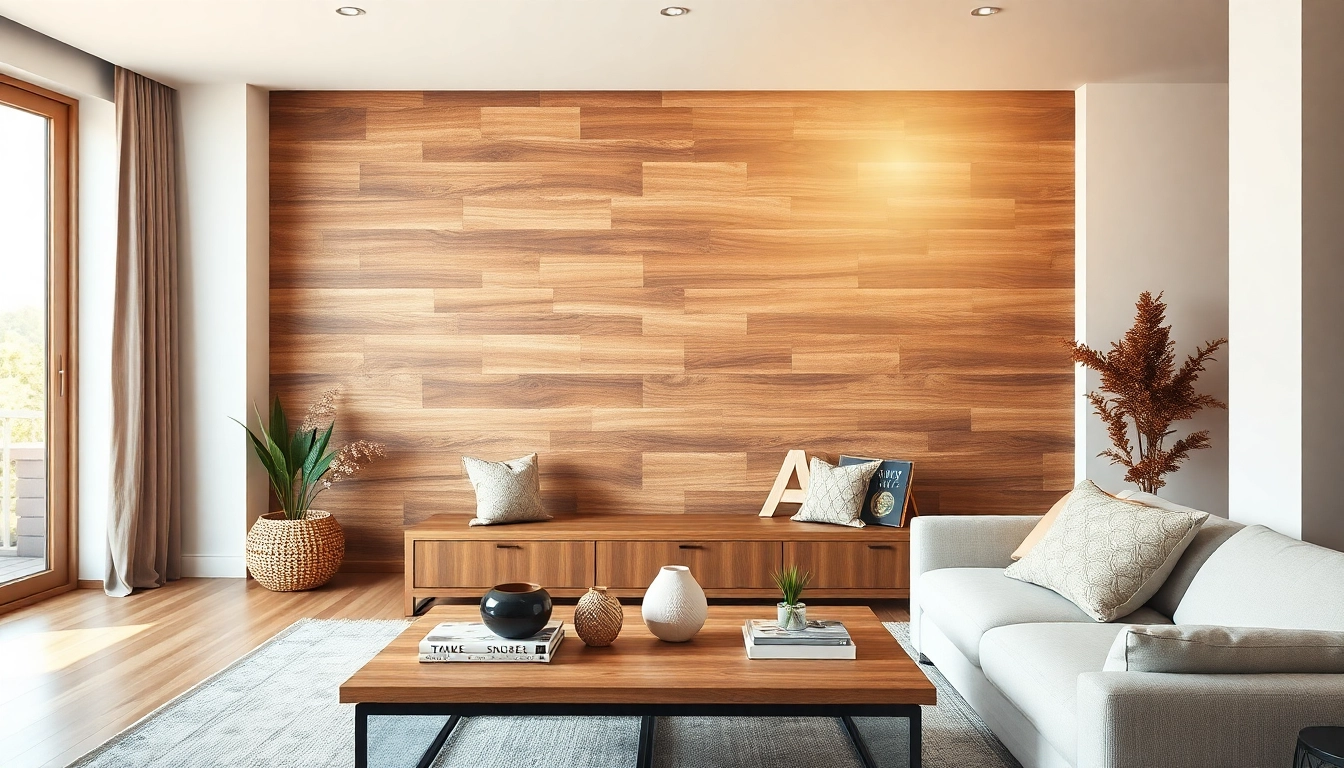
Inside, Cape Cod homes are embracing contemporary design trends that emphasize simplicity and functionality. Light color palettes featuring whites and soft neutrals dominate, evoking a breezy, coastal vibe. Additionally, natural materials—like stone countertops and wooden beams—are being used to accentuate the home’s traditional roots while integrating modern style.
Landscaping and Outdoor Living for a Cape Cod Home
Native Plants for the Cape Cod Environment
Landscaping plays a crucial role in enhancing the beauty of a Cape Cod home and should involve native plants resilient to coastal climates. Species like beach grass, salt-tolerant shrubs, and flowering perennials can create a lush, sustainable garden that complements the surrounding environment. Utilizing native plantings not only supports local ecosystems but also reduces the need for excessive maintenance and irrigation.
Outdoor Activities and Spaces
Outdoor spaces are essential for enjoying the quintessential Cape Cod lifestyle, whether it’s hosting summer barbecues on the deck or lounging in a hammock by the beach. Thoughtful outdoor designs that include patios, fire pits, or outdoor kitchens can significantly enhance the living experience. Additionally, these elements can increase the overall value of the property, making it appealing to future buyers.
Maintenance Tips for Coastal Homes
Owning a Cape Cod home requires awareness of maintenance needs due to the coastal environment. Regular inspection of roofs, siding, and windows for wear and tear can prevent costly issues down the line. Additionally, investing in weather-resistant materials and finishes can enhance durability. It’s crucial to keep yards well-trimmed and clear of debris to prevent pest issues and ensure a tidy appearance.
Frequently Asked Questions about Cape Cod Homes
What defines Cape Cod home architecture?
Cape Cod home architecture is characterized by steeply pitched roofs, dormer windows, and symmetrical facades, often made with wood siding and cedar shingles. These homes are compact and have practical designs, focusing on cutting-edge adaptability to the coastal climate.
Can Cape Cod homes be modernized?
Yes, Cape Cod homes can be modernized. Homeowners can incorporate open floor plans, smart home technology, and sustainable materials while maintaining the classic exterior features, successfully blending contemporary aesthetics with traditional design.
What are the benefits of living in a Cape Cod home?
Living in a Cape Cod home provides a cozy and inviting atmosphere, with efficient use of space and connection to the outdoors. These homes have a timeless aesthetic, making them desirable for families and those who appreciate classic architecture.
How do I maintain a Cape Cod home?
Maintenance for a Cape Cod home involves regular inspections of roofs, siding, and windows for damages, particularly due to moisture or storms. Utilizing weather-resistant materials and regular landscaping can also help maintain the home’s curb appeal and longevity.
What outdoor features enhance Cape Cod home value?
Outdoor features that enhance value include patios, well-designed landscaping with native plants, outdoor kitchens, and living spaces that create a seamless transition from indoor to outdoor living, maximizing the enjoyment of the coastal environment.