Understanding Derailment: Key Concepts
Definition of Derailment
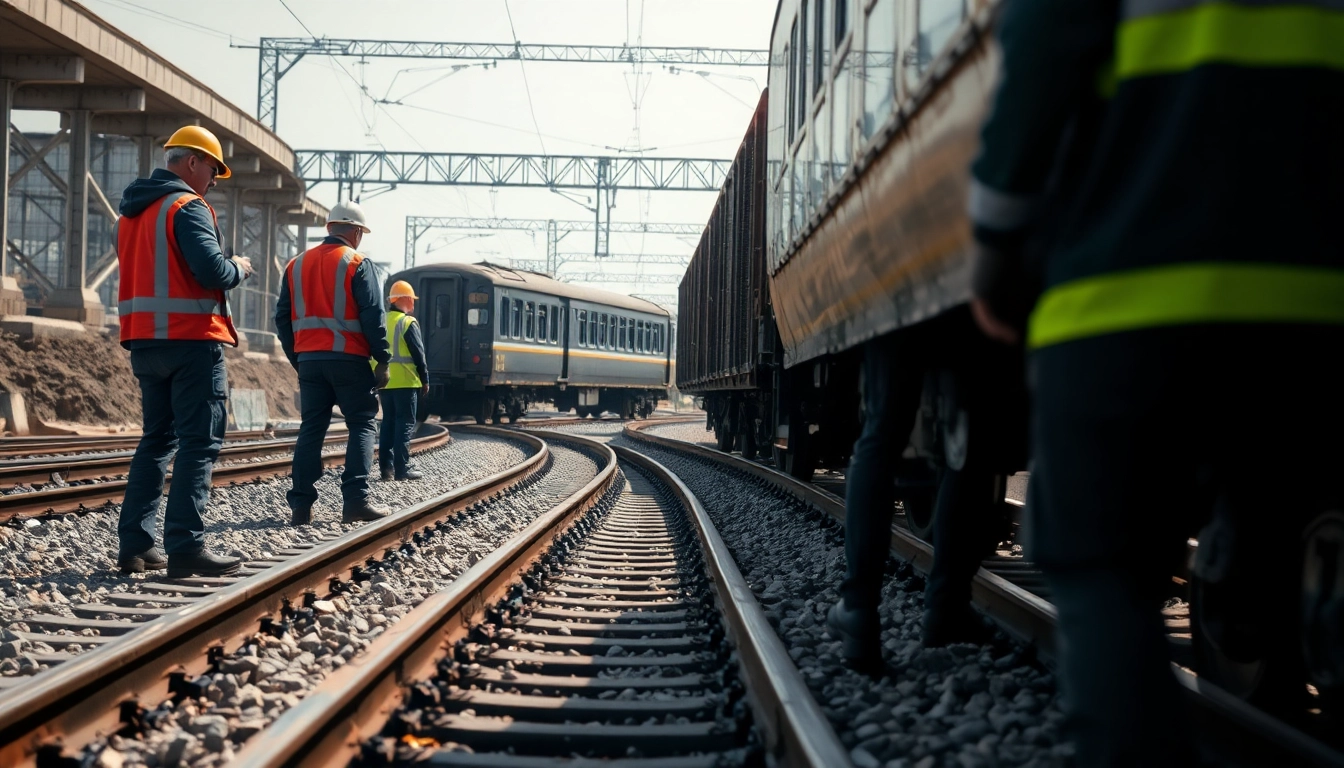
Derailment refers to an incident in which a train unintentionally goes off its designated tracks. This event can lead to significant damage not only to the train itself but also to the surrounding infrastructure, including tracks, signals, and other rail assets. In many cases, these incidents can result in severe consequences, impacting passenger safety and disrupting rail services. Therefore, understanding the factors surrounding Derailment is crucial for effective rail operations and safety management.
Common Causes of Derailment
Derailments can occur due to various reasons, broadly categorized into physical, mechanical, and human-related factors. Physical causes may include track misalignment, broken rail, or excessive wear. Mechanical issues often involve train malfunction—such as wheel defects or brake failure—while human error can stem from inadequate training or oversight in operational procedures. Understanding these causes is essential for developing effective prevention strategies.
Impact on Rail Operations
When derailments occur, the consequences can be severe. Major impacts include delays, financial losses, and potential injuries to passengers and crew. The economic ripple effects can extend to freight disruptions, leading to supply chain delays. Moreover, each incident prompts a comprehensive investigation which can further strain resources. It’s imperative that railway companies are equipped to manage and mitigate these impacts through strategic planning and timely responses.
Types of Derailments and Their Implications
Wheel and Track Interaction
The interaction between wheels and tracks is a critical aspect in understanding derailments. Misalignments or structural defects can greatly affect how well a train adheres to the tracks. Factors such as wheel wear, track geometry, and wheel-rail contact surfaces play a significant role. Detailed studies show that maintaining optimal parameters in this interaction can drastically reduce the likelihood of derailment incidents.
Environmental Factors in Derailment
Environmental conditions can severely influence rail safety. Weather events, geological factors, and seasonal changes can result in track distortions and other challenges. For instance, heavy rainfall can cause flooding or mudslides that compromise track integrity. It is essential for rail companies to have comprehensive weather monitoring systems and contingency plans to mitigate the effects of environmental variables on rail operations.
Human Error and Derailment
Human factors are often cited as a significant contributor to derailment incidents. Studies indicate that lapses in communication, conditions leading to fatigue, and insufficient training can all lead to accidents. Comprehensive training programs and ergonomic workplace designs are necessary to minimize human error and bolster overall rail safety. Implementing crew resource management strategies can significantly improve decision-making in high-stakes environments.
Prevention Measures for Derailment
Regular Maintenance Protocols
Regular maintenance is paramount to preventing derailments. Establishing routine inspections and maintenance schedules for both rolling stock and track infrastructure can identify potential issues before they escalate. Best practices involve the use of condition monitoring technologies to analyze wear and tear, enabling proactive measures rather than reactive responses.
Effective Inspection Techniques
Inspection techniques need to evolve alongside technological advancements. Employing high-precision tools such as ultrasonic testing and drones for visual inspections allows for a thorough review of track conditions and mechanical components. These technologies can significantly enhance the accuracy of inspections, ensuring that issues are detected and addressed promptly.
Technological Innovations in Safety
Advancements in rail technology are transforming safety standards. Systems like Positive Train Control (PTC) can automatically regulate speeding and manage train-to-train communications, reducing the chances of derailment. Furthermore, integrating artificial intelligence and machine learning analytics into safety protocols can facilitate real-time decision-making, making railways safer and more reliable.
Responding to a Derailment Incident
Immediate Action Steps
Immediate action following a derailment is critical. First responders must secure the area to prevent additional accidents, followed by an assessment of any potential injuries or hazards. Quick and effective communication with emergency services ensures that specialized help can be dispatched to handle injured parties and assess damage appropriately.
Investigation Procedures
Post-incident investigations are essential for understanding the root causes of derailment. These protocols typically include gathering data from on-board event recorders, interviews with personnel, and assessments of the infrastructure. By analyzing this information, stakeholders can develop insights into not only what went wrong but also how future incidents can be prevented.
Post-Incident Analysis and Reporting
Following an incident, it’s crucial to compile a detailed report that outlines findings and recommendations. This report can serve as a critical learning tool for improving safety practices across the rail network. Stakeholders must ensure that lessons learned are disseminated within the organization to enhance preparedness against similar incidents in the future.
Future Trends in Rail Safety and Derailment Prevention
Emerging Technologies in Rail Safety
Rail safety is continuously evolving due to emerging technologies. Innovations such as automated track geometry measuring systems and real-time data analytics are paving the way for predictive maintenance strategies. These technologies promise to minimize the risk of derailments by addressing potential issues proactively based on data-driven insights.
Regulatory Developments
As rail safety concerns grow, regulatory frameworks are evolving to enforce stricter compliance standards. Future regulations may include mandatory implementation of safety technologies and enhanced training protocols for railway personnel. Keeping abreast of these changes will enable rail companies to stay compliant and ensure safety continues to be a top priority.
Case Studies of Successful Prevention
Examining successful case studies offers invaluable insights into effective derailment prevention strategies. For instance, railways that have adopted comprehensive predictive analytics systems have reported a significant reduction in incident rates. These case studies highlight the importance of integrating technology, rigorous training, and proactive maintenance into everyday operations.
Frequently Asked Questions
What is a derailment in rail transportation?
A derailment is an incident where a train goes off its tracks, potentially causing damage, delays, and posing safety risks to passengers and infrastructure.
What are common causes of derailment?
Common causes include track misalignment, mechanical failure, environmental factors, and human errors during operation or maintenance.
How can derailments be prevented?
Preventative measures involve regular maintenance of tracks and trains, effective inspection techniques, and utilizing modern safety technologies.
What should be done immediately after a derailment?
Immediate actions include securing the area, assessing hazards, and ensuring that emergency services are contacted for any required assistance.
Are there regulations governing rail safety and derailment prevention?
Yes, various regulatory bodies establish safety standards and protocols that railways must follow to minimize risks associated with derailments.