Understanding Metal Roofing Companies
What Are Metal Roofing Companies?
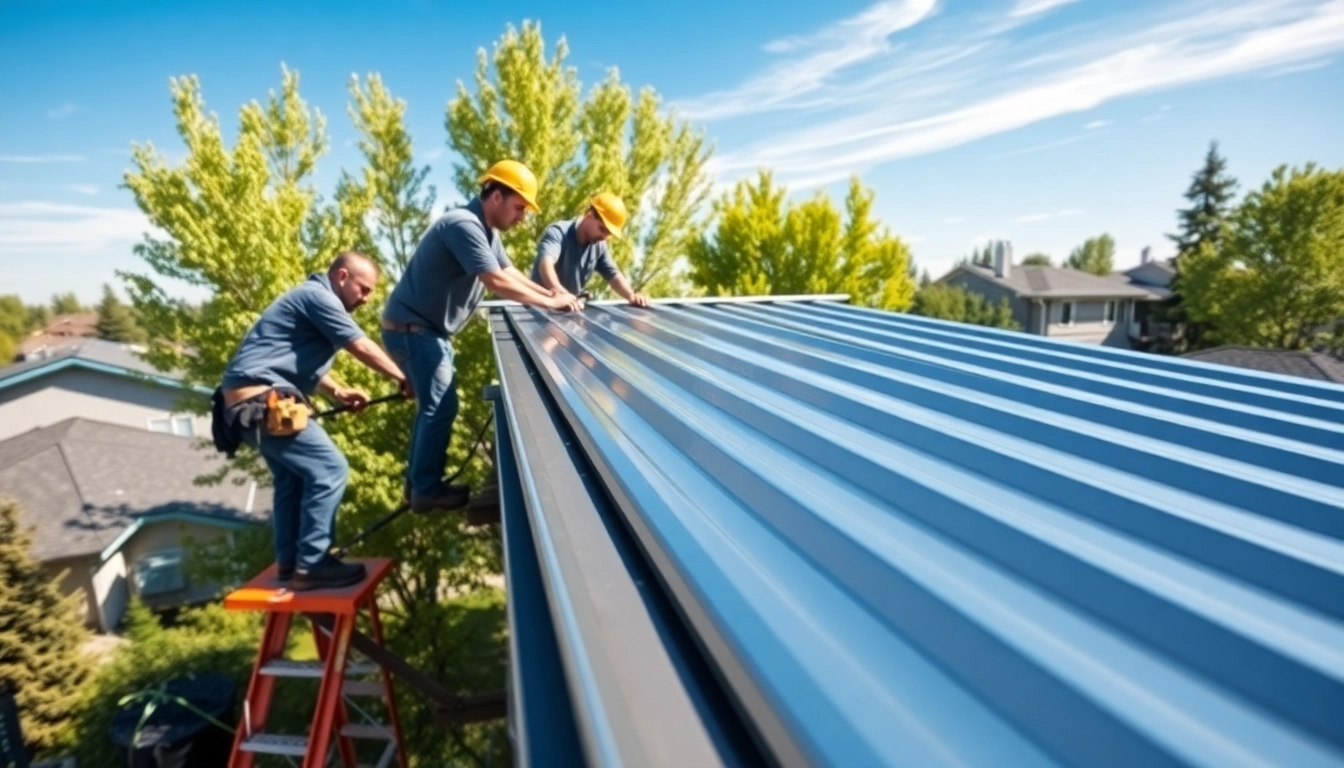
Metal roofing companies specialize in providing, installing, and repairing roofs made from metal materials. These companies offer various roofing solutions suited for commercial, residential, and industrial buildings. Their expertise lies in the selection of suitable metals—such as steel, aluminum, copper, or zinc—and understanding of local building regulations. Engaging with qualified metal roofing companies ensures that your project will benefit from their knowledge, skilled labor, and quality materials, thus enhancing the durability and aesthetics of your roof.
Types of Metal Roofing Solutions
Metal roofing comes in various forms, allowing homeowners and builders to choose the most appropriate style for their needs.
- Panels: Often in the form of standing seam or screw-down panels, these are popular for both residential and commercial applications due to their durability and weather resistance.
- Shingles: Metal shingles can mimic the appearance of slate, wood, or tile, providing a classic look with the benefits of metal's longevity.
- Tiles: Metal tiles offer a robust choice while being lightweight and easier to install compared to traditional clay or concrete tiles.
- Coated Steel or Aluminum: These materials offer additional resistive qualities and come in various colors and finishes, enhancing aesthetics and energy efficiency.
Benefits of Choosing Metal Roofing
Metal roofing is increasingly favored for several reasons:
- Longevity: Metal roofs typically last 50 years or more, outperforming traditional roofing materials like asphalt shingles.
- Energy Efficiency: Many metal roofing systems reflect solar heat, which can lead to reduced cooling costs.
- Environmentally Friendly: Metal roofs are often made from recycled materials and are fully recyclable at the end of their lifespan.
- Lightweight: Metal roofs are significantly lighter than other materials, reducing structural load and simplifying installation.
- Fire Resistant: Many metal roofing materials have a Class A fire rating, providing enhanced safety.
When to Consider Metal Roofing
Signs You Need a Roof Replacement
Identifying the right time for a roof replacement is crucial for maintaining home integrity. Look for these signs:
- Visible rust or corrosion on the roofing material.
- Water leaks or damage within your home.
- Missing or damaged shingles or panels.
- The roof is more than 20-25 years old, especially if made from asphalt.
Factors Influencing Roof Choice
Your choice of roofing material should consider several factors:
- Climate: Extreme weather conditions can affect the longevity and performance of roofing materials.
- Aesthetic Appeal: Ensure the roofing type and color complement the overall design of your home.
- Budget: Balance between initial costs and long-term savings from maintenance and energy efficiency.
Seasonal Considerations for Roofing
Different seasons pose their unique challenges for roof installation:
- Spring: Ideal for installation due to moderate temperatures.
- Summer: Warmer weather can speed up installation but requires risk management for heat exposure.
- Fall: Often a good time for installation as conditions are favorable, but timing is crucial to avoid winter rain or snow.
- Winter: Installation can be challenging due to cold and potential snow, but some materials can still be effectively installed in colder temperatures.
How to Choose the Right Metal Roofing Company
Key Qualities to Look For
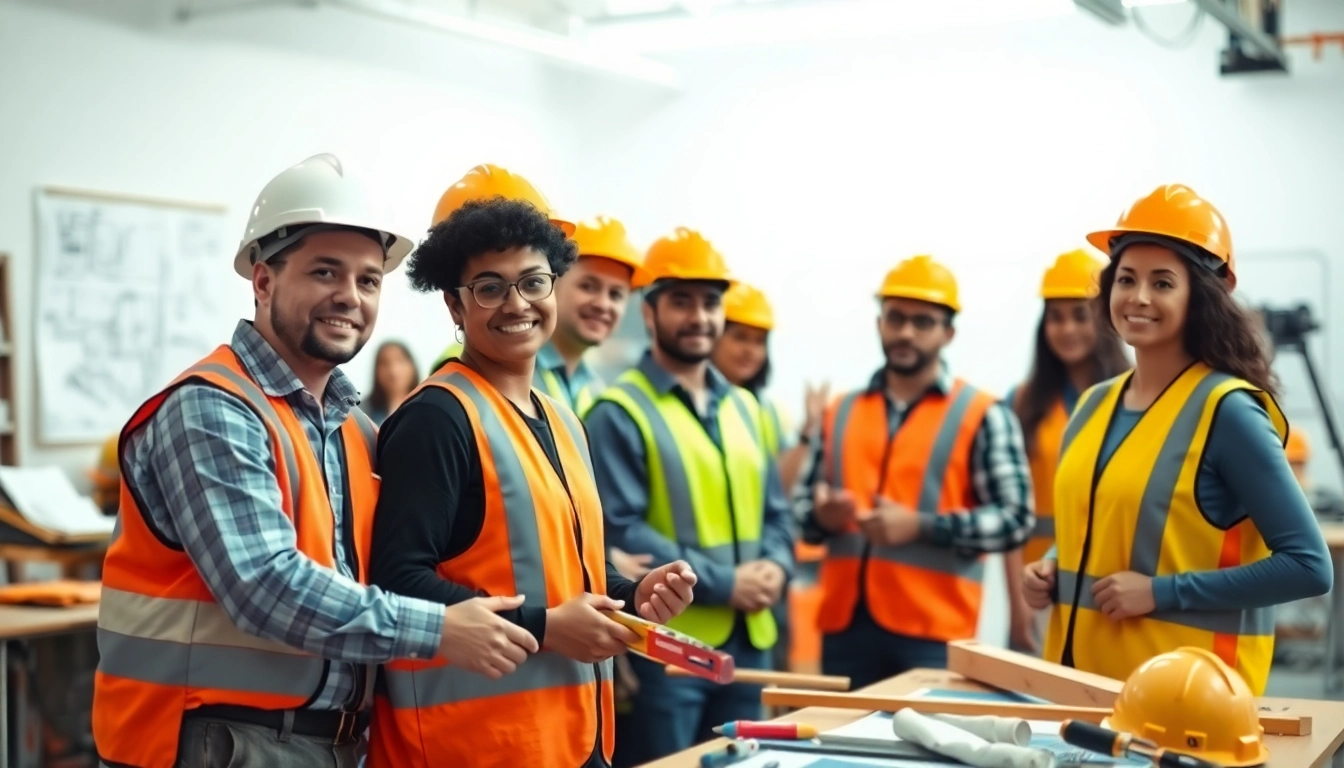
Finding the right contractors for your metal roofing project can significantly impact its success. Here are key qualities to consider:
- Experience: Look for companies with a proven track record in metal roofing installations.
- Licensing and Insurance: Verify that the company is licensed and insured to protect your investment.
- Positive Reviews: Check online reviews and ask for references from previous clients.
Questions to Ask Potential Contractors
Before hiring a metal roofing company, consider asking the following questions:
- What types of metal roofing systems do you specialize in?
- Can you provide detailed estimates, including labor and material costs?
- What warranties do you offer on materials and workmanship?
- How do you handle job site safety and debris disposal?
Researching Local Metal Roofing Companies
Performing thorough research on local contractors can save you from potential pitfalls:
- Leverage social media and online platforms for customer feedback and ratings.
- Check for memberships or partnerships with professional roofing associations.
- Visit completed projects in your area to assess workmanship firsthand.
Metal Roofing Installation Process
Preparation for Installation
A successful roofing project requires adequate preparation:
- Inspect the current roof for potential issues that may need addressing before installation.
- Secure necessary permits from local authorities.
- Ensure all materials are on-site prior to beginning work to maintain efficiency.
Steps Involved in Installation
The installation of a metal roof comprises several essential steps:
- Old Roof Removal: Safely remove and dispose of the existing roofing material.
- Sheathing Checks: Inspect and replace any rotting or damaged roof sheathing.
- Underlayment Installation: Place quality underlayment to provide an additional water barrier.
- Metal Panels Installation: Securely fasten metal panels according to manufacturer's specifications, ensuring proper overlaps.
- Final Touches: Install flashing and trim pieces, ensuring water diversion away from vulnerable areas.
Post-Installation Inspections
After completing the installation, it’s critical to conduct thorough inspections:
- Check for any loose panels or flashing.
- Ensure all seams and transitions are properly sealed.
- Review work with the contractor for quality assurance.
Maintaining Your Metal Roof
Routine Maintenance Tips
Routine maintenance is vital for extending the lifespan of a metal roof:
- Perform regular visual inspections for any early signs of wear or rust.
- Keep gutters and downspouts clear to ensure proper drainage.
- Trim nearby trees to prevent debris build-up.
Common Issues and Solutions
Despite their durability, metal roofs can experience some common issues:
- Rust: Regularly inspect for rust spots; treat or replace affected areas promptly.
- Loose Fasteners: Periodically check and tighten fasteners as necessary.
- Punctures: Cover any punctures immediately to prevent leaks.
Maximizing the Lifespan of Your Roof
To ensure your metal roof reaches its full lifespan:
- Invest in professional inspections every few years.
- Repair any issues immediately to prevent larger problems.
- Consider installing a roof coating that can add extra protection against UV rays and corrosion.
FAQs about Metal Roofing
What is the lifespan of a metal roof?
A well-installed metal roof can last 50 years or longer, significantly outlasting traditional roofing materials.
Is metal roofing noisy during rain or hail?
While metal roofs can be noisier than other materials, proper insulation and underlayment reduce sound significantly.
Can metal roofs be installed over existing roofs?
In many cases, metal roofs can be installed over existing shingles without removal, but local codes and installation practices should be considered.
Are metal roofs more expensive than other types?
Metal roofs have a higher upfront cost, but their durability and longevity often result in long-term savings.
Do metal roofs attract lightning?
Metal roofs do not attract lightning; in fact, they can help making buildings safer as they can disperse the energy.