Introduction to Fluid Power Systems
Fluid power systems are essential engineering solutions that utilize hydraulic and pneumatic technologies to transmit energy. These systems are prominent in various industries, enabling automation, control, and high efficiency in machinery. By leveraging the principles of fluid dynamics, fluid power systems convert energy stored in fluids into mechanical work, a process that offers unmatched precision and power. Understanding these systems can transform operations across fields, highlighting their significance in a modern economy reliant on advanced technologies and automation. Talented engineers and technicians design and maintain these systems, ensuring functionality and efficiency. Discover more about fluid power systems and their applications.
What are Fluid Power Systems?
Fluid power systems are mechanisms that utilize pressurized fluids to generate, control, and transmit motion and force. They encompass hydraulic systems, which rely on liquid fluids, and pneumatic systems, which utilize gases. By employing pumps, compressors, actuators, and valves, these systems facilitate movement in machinery and vehicles, making them integral to manufacturing, construction, automotive, and many other sectors. The versatility and robustness of fluid power systems allow for their safe operation under various environmental conditions and force levels, demonstrating their adaptability.
Types of Fluid Power Systems
Fluid power systems can be categorized primarily into hydraulic and pneumatic systems:
- Hydraulic Systems: These systems use incompressible liquids, typically oil, to transmit power. They are known for their ability to exert substantial force in a compact space, making them suitable for heavy machinery, like excavators and cranes. Hydraulic systems are valued for their ability to exert high pressures and are commonly found in industrial automation.
- Pneumatic Systems: Utilizing compressible gases, mostly air, pneumatic systems are favored for their speed and efficiency in applications requiring quick repetitive motions. They are widely used in assembly lines and tools like nail guns and air brakes in vehicles. Pneumatic systems are less powerful than hydraulic ones but excel in applications requiring less load and quick actuation.
Importance in Modern Industry
The relevance of fluid power systems in today’s industries cannot be overstated. Their ability to facilitate automation and provide precise control makes them indispensable in sectors such as manufacturing, aerospace, and automotive. Fluid power systems enhance productivity and reduce labor costs by automating processes that were once manual. They also contribute to energy efficiency in industrial applications by using fluids that can be easily controlled and recovered. Thus, understanding and optimizing fluid power systems is crucial for businesses striving for sustainability and competitiveness in a global market.
Components of Fluid Power Systems
Fluid power systems consist of various components, each playing a vital role in ensuring functionality and efficiency. Understanding these components is fundamental for designing, maintaining, and troubleshooting fluid power systems.
Hydraulic Pumps: The Heart of the System
Hydraulic pumps are critical in any hydraulic system, responsible for converting mechanical energy into hydraulic energy. They draw hydraulic fluid from a reservoir and pressurize it, providing the power needed for actuators and other hydraulic devices. The main types of hydraulic pumps include:
- Gear Pumps: Simple in design, gear pumps are recognized for their reliability and are commonly used in various industrial applications.
- Piston Pumps: Known for high efficiency and pressure capabilities, piston pumps are ideal for demanding applications, such as in heavy machinery.
- Vane Pumps: These pumps offer a balance of performance and efficiency, suitable for a wide range of applications, including automotive systems.
Choosing the right hydraulic pump is crucial for optimizing system performance, as each type displays unique characteristics suited for different applications.
Valves: Controlling Flow and Pressure
Valves are pivotal in managing the flow and pressure of fluid within the system. They govern the direction of fluid, the amount circulated, and the pressure levels maintained within the system. There are several categories of valves:
- Directional Control Valves: These valves direct fluid flow within the system, determining the operation of actuators.
- Pressure Relief Valves: Protect the system from overpressure by releasing fluid when prescribed limits are exceeded, which is vital for safety.
- Flow Control Valves: These valves regulate fluid speed, allowing for controlled actuation of components.
Integrating the right combination of valves is essential for optimizing the performance of fluid power systems, ensuring safety and efficiency in operations.
Hydraulic Cylinders: Translating Energy
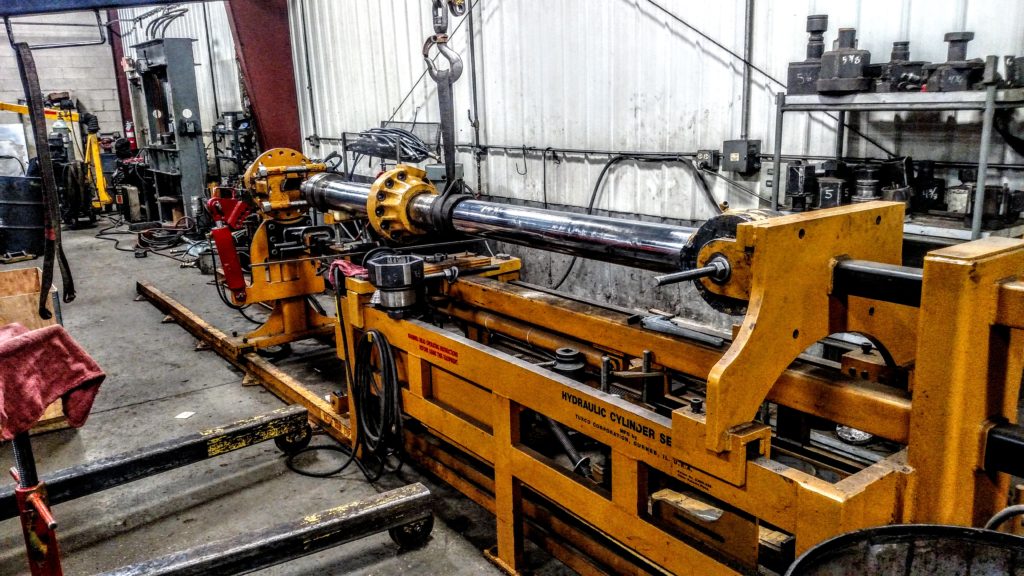
Hydraulic cylinders are actuators that convert hydraulic energy into mechanical energy, producing linear motion. They come in different designs, such as single-acting and double-acting cylinders, each serving specific applications:
- Single-acting Cylinders: Utilize fluid pressure to move the piston in one direction only, using a spring for return in the opposite direction.
- Double-acting Cylinders: Allow fluid pressure to act on both sides of the piston, facilitating motion in two directions, offering greater versatility.
Understanding the design and operation of hydraulic cylinders is critical for applications that require precise positioning and control.
Applications of Fluid Power Systems
Fluid power systems exhibit a broad range of applications, spanning multiple industries. Their ability to provide high strength and precise control positions them as a preferred choice in various mechanized tasks.
Manufacturing and Production Lines
In manufacturing, fluid power systems are ubiquitous, powering machinery such as conveyor belts, robotic arms, and automated assembly lines. They enable seamless and efficient production processes, enhancing throughput and product consistency. The ability to program hydraulic systems for different tasks makes them valuable in adaptable manufacturing environments, supporting just-in-time production and reducing waste.
Construction Equipment Uses
Construction equipment heavily relies on fluid power systems, as these systems provide the muscle needed for lifting, digging, and demolishing. Hydraulic excavators, bulldozers, and cranes leverage hydraulic power to perform heavy-duty tasks effectively. The precision and controlled movements offered by hydraulic systems ensure safety and efficiency during construction operations, contributing to project success.
Automotive Industry Integration
Fluid power systems have found their place in the automotive industry, where they power systems such as brakes, steering, and suspension. Hydraulic brake systems utilize pressurized fluid to amplify the driver's force, ensuring effective and responsive braking. Additionally, pneumatic systems are employed in tire inflation and air conditioning, showcasing the versatility and criticality of fluid power systems in automobile functionality.
Challenges in Fluid Power Systems
Despite their numerous advantages, fluid power systems also face challenges that can affect performance, safety, and longevity. Identifying and addressing these issues is pivotal to maintaining effective operations.
Common Issues and Troubleshooting
Common problems in fluid power systems include fluid leaks, contamination, and inefficiencies in performance. Leaks can result from worn seals or components, leading to fluid loss and system failure. Ensuring regular inspections and employing quality seals are standard preventive measures. Fluid contamination can arise from particles or moisture, which compromise system performance. Implementing filtration systems and establishing standard maintenance procedures can mitigate these risks.
Maintenance Best Practices
Regular maintenance is essential for achieving optimal performance and longevity of fluid power systems. Key practices include:
- Routine inspection and servicing of hydraulic and pneumatic components to identify early signs of wear and tear.
- Fluid replacement and filtration to prevent contamination.
- Monitoring system performance metrics to detect anomalies or decreasing efficiency.
Adopting a proactive maintenance strategy can significantly reduce downtime and improve overall reliability.
Environmental Considerations
Environmental concerns related to fluid power systems primarily involve potential fluid leaks and emissions. To mitigate environmental impact, industries must focus on using eco-friendly hydraulic fluids and ensuring proper containment and disposal practices. Furthermore, regulatory compliance is crucial in developing sustainable practices surrounding fluid power system operation and maintenance.
Future Trends in Fluid Power Systems
The landscape of fluid power systems is ever-evolving, driven by technological advancements and changing market demands. Understanding these trends can provide valuable insights for future applications.
Innovations Driving Efficiency
Recent innovations focus on increasing the efficiency of fluid power systems through advanced materials, designs, and control strategies. Developments in synthetic fluids, for example, offer improved performance and environmental compatibility. Additionally, advanced simulation software aids in designing systems that require less energy while maintaining high output levels, making fluid power systems more competitive in energy-sensitive industries.
Integration with Smart Technology
The rise of Industry 4.0 introduces smart technologies that integrate fluid power systems into digitally connected environments. This integration enables real-time monitoring and predictive maintenance strategies, drastically reducing downtime and enhancing operational efficiency. Smart sensors and IoT technologies facilitate data collection and analysis, offering insights that can drive further enhancements in system design and functionality.
Market Projections and Growth Opportunities
As fluid power technologies continue to advance, market projections indicate substantial growth opportunities across various sectors. The push for automation and efficiency will drive demand for fluid power solutions that offer reliable performance with reduced energy consumption. Industries will increasingly seek customized solutions, fostering innovation and tailored approaches in future fluid power applications.
Frequently Asked Questions
What are fluid power systems used for?
Fluid power systems are used to transmit energy through hydraulic or pneumatic means, powering machinery in manufacturing, construction, and automotive industries.
How do hydraulic pumps work?
Hydraulic pumps convert mechanical energy into hydraulic energy by pressurizing fluid, which is then used to move hydraulic cylinders or other components.
What are common issues with fluid power systems?
Common issues include leaks, contamination of fluid, and inefficiencies. Regular maintenance and inspections can help mitigate these problems.
How can fluid power systems be maintained?
Fluid power systems can be maintained through regular inspections, fluid replacements, and monitoring of performance metrics to detect issues early on.
What future trends are shaping fluid power systems?
Future trends include innovations in materials and design, integration with smart technology, and a focus on energy efficiency and sustainability.