Understanding Structural Steel Installation
Definition and Importance of Structural Steel Installation
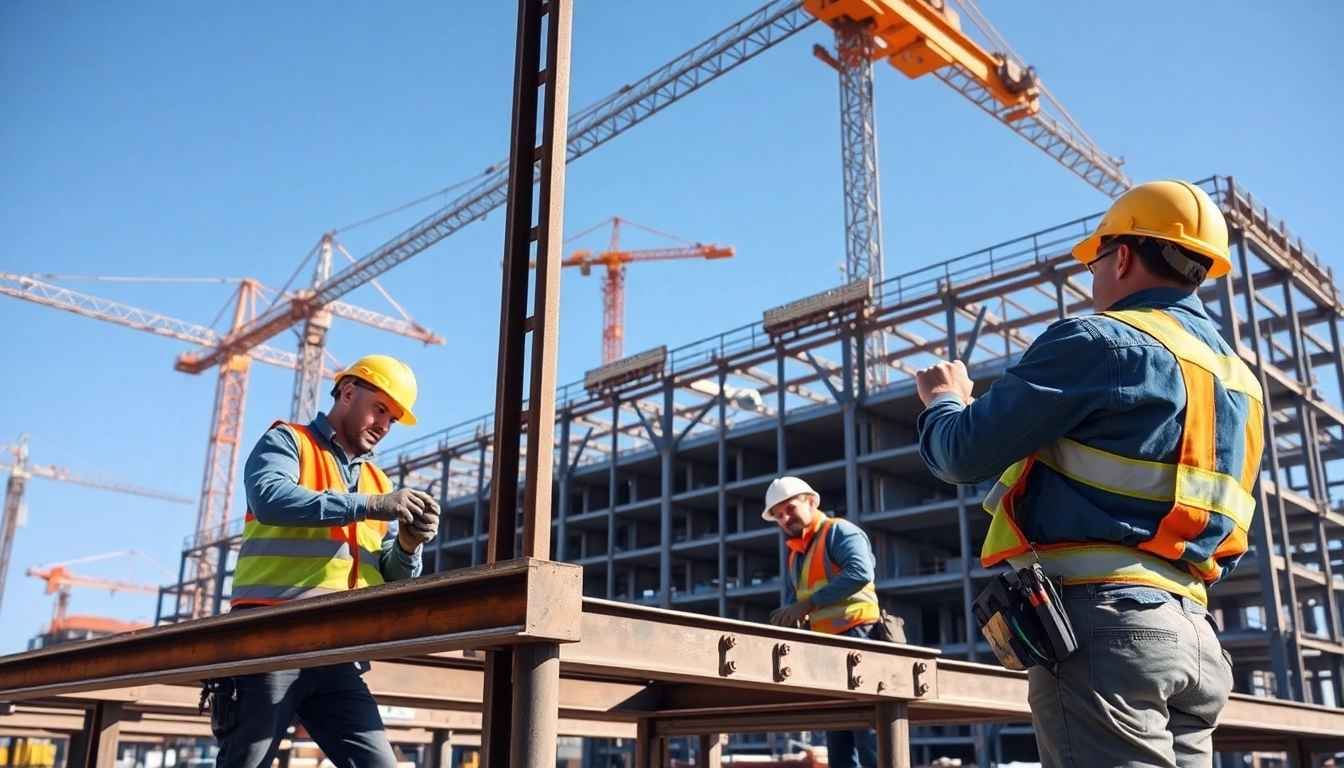
Structural steel installation is the process by which steel structures are put in place to create the framework of buildings, bridges, and other infrastructure. This method of construction offers a host of benefits such as strength, flexibility, and durability, making it a preferred choice for modern architecture and engineering. The proper installation of structural steel not only supports the physical integrity of the building but also significantly influences the overall project timeline and cost efficiency. Hence, understanding the intricacies of structural steel installation is crucial for ensuring a successful project outcome.
Key Components of Structural Steel Installation
A successful structural steel installation involves several key components:
- Steel Beams and Columns: These form the backbone of any steel structure, providing the necessary load-bearing capabilities.
- Connections: Bolts, welds, and other fasteners serve critical roles in joining steel components together securely.
- Bracing: This is essential for creating stability and preventing structural sway during heavy winds or seismic events.
- Decking: Used primarily for flooring, structural steel decking provides a platform for concrete or other finishing materials.
- Joints and Seams: Properly designed joints and seams are critical for maintaining the structural integrity of connections.
Differentiating Methods in Structural Steel Installation
There are several methods used in structural steel installation, each suited to different project requirements and environmental conditions:
- Shop Fabrication: Involves the pre-fabrication of steel components in a controlled factory environment before transportation to the site.
- Field Assembly: Involves assembling larger sections of steel directly on-site, which can reduce transportation issues but may complicate assembly.
- Modular Construction: Combines fabrication and assembly methods, allowing for quicker installation and reduced construction time.
Planning for Successful Structural Steel Installation
Essential Pre-Installation Considerations
Successful structural steel installation begins long before the first steel beam is erected. Key pre-installation considerations include:
- Site Assessment: Conduct a thorough analysis of the construction site, including soil conditions, access routes, and environmental factors.
- Project Scheduling: Develop a detailed timeline that accounts for the procurement of materials, fabrication, and installation phases.
- Permitting: Ensure all necessary building permits and inspections have been obtained prior to commencement.
- Resource Allocation: Identify and allocate labor, machinery, and materials required for the installation process.
Project Planning and Design for Structural Steel Installation
Project planning is pivotal for ensuring that structural steel installation is executed flawlessly. Key elements include:
- Structural Design: Engaging engineers to develop detailed designs that comply with local building codes and safety regulations.
- Material Selection: Choosing appropriate grades of steel and finishes that align with project specifications and environmental sustainability goals.
- Collaboration: Involving all stakeholders—including architects, engineers, and contractors—early in the planning process.
Safety Protocols in Structural Steel Installation
Safety is paramount in any construction project, especially in structural steel installation, which often involves significant heights and heavy materials. Important safety protocols include:
- PPE Usage: Ensuring all workers wear appropriate personal protective equipment, including helmets, harnesses, and safety boots.
- Site Safety Plans: Developing comprehensive safety plans that outline emergency procedures, hazard assessments, and training requirements.
- Regular Safety Inspections: Conducting routine safety checks to ensure compliance with established protocols and identify possible hazards.
Tools and Equipment for Structural Steel Installation
Must-Have Tools for Efficient Structural Steel Installation
A range of specialized tools is essential for the efficient and safe installation of structural steel. Some of the most important tools include:
- Cranes: Vital for lifting and positioning heavy steel beams and components.
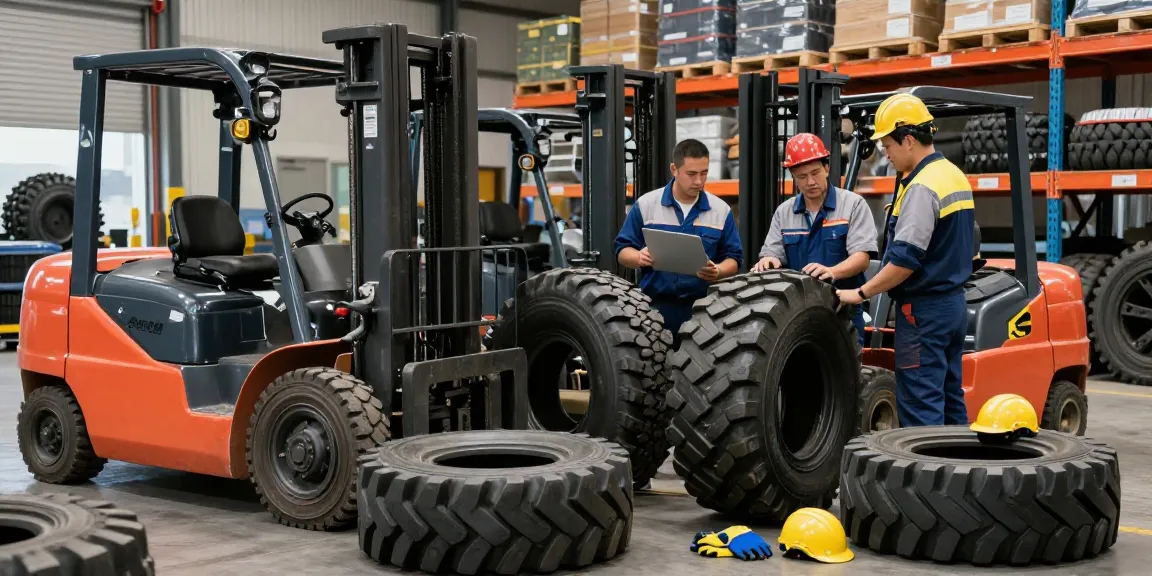
- Forklifts: Ideal for transporting steel materials around the job site.
- Welding Equipment: Necessary for both on-site and off-site welding of structural components.
- Measuring Devices: Laser levels and measuring tapes ensure precision in installation.
Choosing the Right Equipment for Structural Steel Installation
Selecting the appropriate equipment is crucial for achieving optimal results during structural steel installation. Factors to consider include:
- Load Capacity: Ensure that the cranes and lifts possess adequate load ratings for the materials being handled.
- Ease of Use: Equipment should be user-friendly to minimize delays and complications during installation.
- Budget Constraints: Consider cost-effectiveness while not compromising on essential functions and safety features.
Maintenance Best Practices for Structural Steel Installation Tools
Proper maintenance of tools and equipment used in structural steel installation is essential for ensuring safety and efficiency. Maintenance best practices include:
- Regular Inspections: Schedule frequent inspections to identify any wear and tear or potential malfunctions.
- Lubrication: Keep moving parts well-lubricated to prevent friction and subsequent damage.
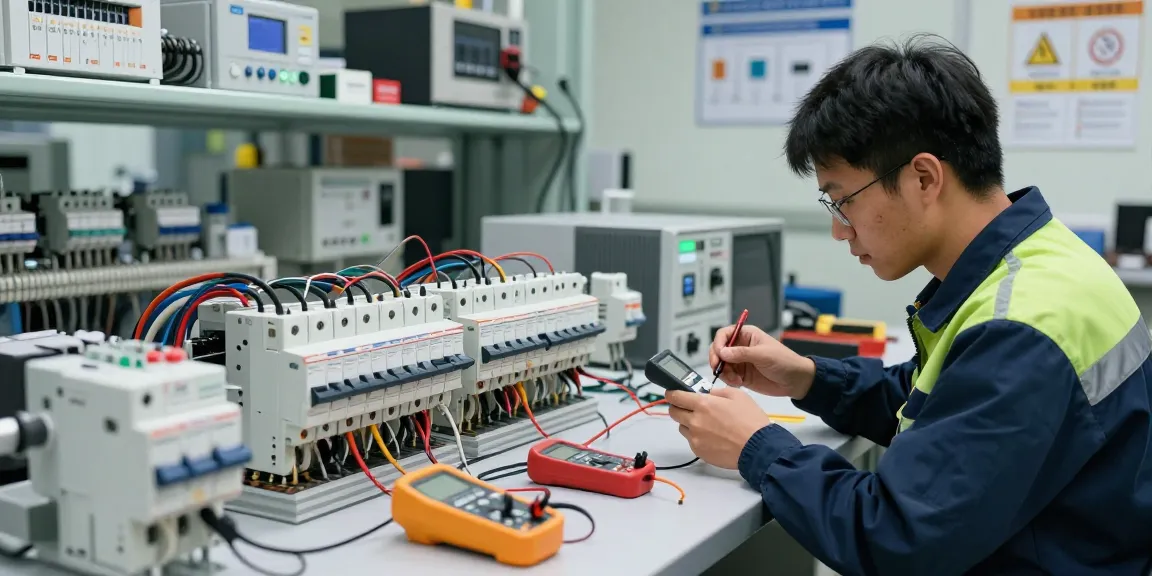
- Calibration: Regularly calibrate measuring devices to ensure accuracy in installation.
Common Challenges in Structural Steel Installation
Addressing Structural Steel Installation Errors
Even with meticulous planning, errors can occur during structural steel installation. Common errors include:
- Misalignment: This can lead to significant structural issues if not caught early. Solutions include using laser levels and frequent measurements.
- Welding Defects: Insufficient welding can compromise the integrity of connections. Skilled welders and regular inspections can mitigate these risks.
- Inadequate Load Management: Failing to manage loads properly can lead to structural failure. Clear guidelines for load capacities and weight distribution must be established.
Mitigating Risks During Structural Steel Installation
Proactive risk mitigation strategies are essential for a safe installation process. These strategies may include:
- Comprehensive Risk Assessment: Identify potential risks in advance and develop contingency plans.
- Training and Certification: Ensure all workers are properly trained and certified for their specific roles.
- Monitoring Compliance: Maintain oversight to ensure adherence to safety protocols and building codes throughout the installation.
Weather Considerations for Structural Steel Installation
Weather conditions can heavily influence structural steel installation. Key considerations include:
- Wind Speeds: High winds can pose risks for steel installation and should be carefully monitored before commencing work.
- Rain and Moisture: Wet conditions can lead to slipping hazards and rust on steel materials, requiring precautionary measures.
- Temperature: Extreme temperatures can affect material properties and welding processes, necessitating suitable precautions.
Measuring Success in Structural Steel Installation
Key Performance Indicators for Structural Steel Installation
Establishing Key Performance Indicators (KPIs) is critical for evaluating the success of structural steel installation projects. Important KPIs include:
- Time Efficiency: Assess the actual time taken versus the projected schedule to identify delays or improvements.
- Budget Adherence: Monitor expenses against the budget shared at the outset to ensure financial objectives are achieved.
- Quality Control: Evaluate the quality of the installation process and the final output against industry standards.
- Safety Record: Track incidents and near misses to measure the effectiveness of safety protocols.
Continuous Improvement in Structural Steel Installation Processes
To enhance future projects, a culture of continuous improvement should be fostered. This can be achieved through:
- Post-Project Reviews: Conducting thorough reviews at the end of each project to gather insights and lessons learned.
- Feedback Mechanisms: Implementing systems for team members to share their experiences and suggestions for improvement.
- Training Updates: Regularly updating training programs to reflect best practices and emerging technologies.
Case Studies and Examples of Effective Structural Steel Installation
Real-world case studies can provide valuable insights into effective structural steel installation practices. Examples include:
- High-Rise Buildings: Examining the steel framing techniques used in the construction of skyscrapers that highlight innovative approaches and technologies.
- Bridges: Analyzing successful bridge installations that demonstrate effective load distribution and safety measures.
- Industrial Facilities: Reviewing case studies that showcase efficient use of steel in manufacturing and warehousing environments.