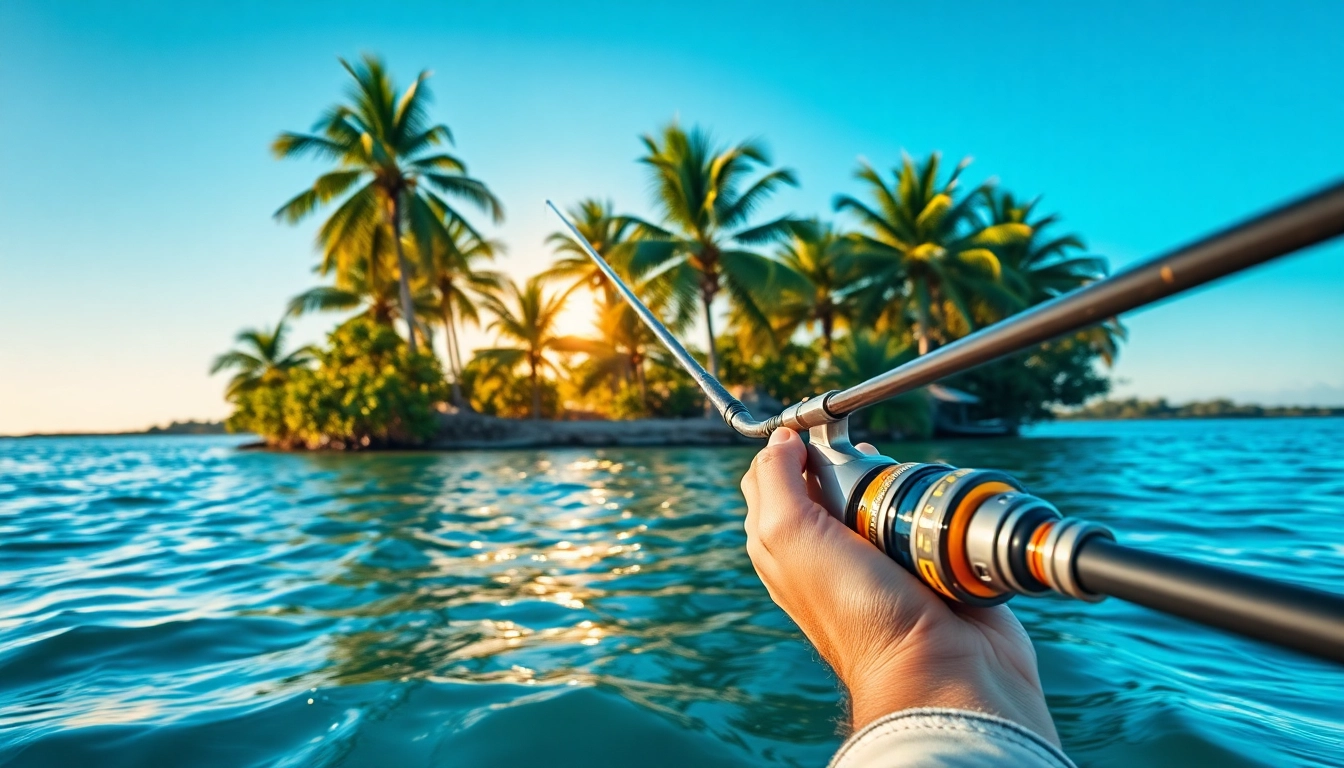
Understanding Saltwater Fly Fishing
Introduction to Saltwater Fly Fishing
Saltwater fly fishing is a thrilling and challenging pursuit that attracts anglers from across the globe. Unlike traditional fishing, which often relies on bait and hooks, fly fishing uses artificial flies designed to mimic the appearance and behavior of aquatic insects and small fish. This unique technique is not only about catching fish but also about the art of casting, understanding tides, and exploring beautiful marine environments. Whether you’re a beginner or a seasoned pro, Saltwater fly fishing offers an exhilarating experience filled with vibrant species and stunning landscapes.
Equipment Essentials for Beginners
When starting in saltwater fly fishing, choosing the right equipment is crucial. Essential gear includes:
- Fly Rod: Look for a rod that is versatile for the types of fish you’re targeting. Typically, an 8-10 weight rod is effective for most saltwater species.
- Fly Reel: A good-quality reel with a strong drag system will help you handle the power of saltwater fish.
- Line: A weight-forward floating line is commonly recommended for beginners. For deeper fishing, consider a sinking line.
- Flies: Choose flies that mimic the local baitfish and crustaceans. Start with a few proven patterns.
- Leaders and Tippets: Use a strong and durable leader. A fluorocarbon leader works well in saltwater.
Choosing the Right Gear for Saltwater Fly Fishing
Fly Rods and Reels
Your choice of rod and reel will determine how well you can present your flies and manage fights with fish. Saltwater fly rods are typically made from materials like graphite, which provides strength without excessive weight. Many anglers prefer longer rods for better line control and casting distance during windy conditions.
The reel should be saltwater-ready, meaning it's constructed with corrosion-resistant materials and a reliable drag system to handle the powerful runs of species like tarpon or mackerel. Brands may vary, but focus on the specifications that fit your fishing style.
Understanding Tippets and Leaders
Tippets and leaders are crucial for connecting your fly to the line. A common rule is the “60/20/20” guideline, suggesting that 60% of your leader should be a butt section, 20% the midsection, and 20% the tippet. This configuration allows for better turnover as your fly lands on the water, ensuring a natural presentation.
For saltwater, consider using a fluorocarbon tippet because of its low visibility underwater and resistance to abrasion, which is essential when fishing around structures.
Saltwater Fly Patterns and Baits
Picking the right fly is vital in saltwater fly fishing. Research local forage species and match your fly patterns accordingly. Common saltwater fly patterns include:
- Clouser Minnow: Great for various species, simulating small baitfish.
- Bonefish Fly: Light and buoyant, ensuring it flutters just above the bottom, attracting bonefish.
- Crab Patterns: Essential for targeting species that feed on crustaceans, perfect for flats fishing.
Using these patterns effectively requires understanding water depth and fish feeding habits.
Best Techniques for Saltwater Fly Fishing
Casting Techniques for Saltwater Angling
Casting in saltwater requires different techniques compared to freshwater due to wind and longer distances. The overhead cast and roll cast are commonly used. Practice with heavier lines and larger flies to build proficiency.
Additionally, use double-haul casting to increase line speed, which is crucial when dealing with strong winds. Effective practice can significantly minimize backlash and improve accuracy.
Reading Tides and Currents
Tides play a critical role in saltwater fishing. Understanding the rhythm of the tides helps anglers predict fish movements. Typically, fish are more active during incoming tides, as baitfish are pushed into shallower waters. Pay attention to tidal charts, noting the peak times for fishing in your selected area.
Additionally, currents can create hotspots where fish congregate. Identify areas where currents collide or create eddies, as these are often productive zones.
How to Present Flies Effectively
Presentation is crucial in enticing fish to strike. Use a slow, steady retrieve to allow the fly to mimic natural action. Adjust your retrieve speed based on water conditions and the species you are targeting. For instance, quick retrieves may entice barracudas while slower retrieves may be better for bonefish.
Consider the depth at which you are fishing; sometimes, a sinking line or a weighted fly is necessary to reach deeper waters where fish are more comfortable.
Top Destinations for Saltwater Fly Fishing
Popular Locations in the USA
The United States offers a plethora of prime saltwater fishing locations:
- The Florida Keys: Renowned for its rich fish diversity, the Keys provide opportunities for tarpon, bonefish, and permit.
- The Outer Banks of North Carolina: A hotspot for surf fishing, especially for species like bluefish and redfish.
- California’s Channel Islands: Offers unique species including calico bass and yellowtail.
Each destination has unique weather conditions that may influence the best fishing times.
International Saltwater Fishing Hotspots
Traveling abroad can unveil hidden gems in the saltwater fly fishing world. Notable destinations include:
- Bahamas: Ideal for bonefish, the flats are pristine and require challenging casts.
- Belize: Known for its healthy populations of permit and tarpon.
- Australia: Offers a diverse array of fish including barramundi and various pelagics off the coast.
Planning trips around local seasons and peak fishing times can enhance your success.
Planning Your Next Saltwater Fly Fishing Trip
When planning a saltwater fly fishing trip, consider various factors such as seasonality, local regulations, and availability of guides. Research the species you wish to target and the best times to fish for them in specific locations.
Also, prepare a checklist to ensure you pack all essential gear, including backups for anything that may fail due to saltwater exposure.
Frequently Asked Questions about Saltwater Fly Fishing
What types of fish can I catch when Saltwater fly fishing?
Saltwater fly fishing can yield a variety of species including tarpon, bonefish, snook, permit, and various mackerels. Each species offers a unique challenge with different fishing techniques.
Is Saltwater fly fishing suitable for beginners?
Yes, Saltwater fly fishing is suitable for beginners. With the right guidance, learning the basics of casting and understanding tides can make the experience enjoyable and rewarding.
What essential gear do I need for Saltwater fly fishing?
Essential gear includes a saltwater fly rod, reel, floating line, leaders, tippets, and a selection of flies matching local bait species.
How do I learn the best casting techniques for Saltwater fly fishing?
Learning casting techniques can involve practicing with an instructor or through video tutorials. Hands-on experience with heavier lines can also improve casting proficiency.
When is the best time to go Saltwater fly fishing?
The best time often depends on local species and their feeding habits. Generally, dawn and dusk coincide with peak feeding times, offering prime fishing conditions.