Understanding Rail Systems
What Are Rail Systems?
Rail systems comprise a network of interconnected routes designed for the transportation of passengers and goods via trains. These systems are essential for regional connectivity, urban transport solutions, and long-distance travel. As part of the global infrastructure, rail systems enhance economic growth, promote sustainability, and reduce congestion on road networks. They encompass various components, technologies, and operational frameworks that integrate to provide efficient transit options.
Components of Rail Systems
At the heart of any rail system lie its key components:
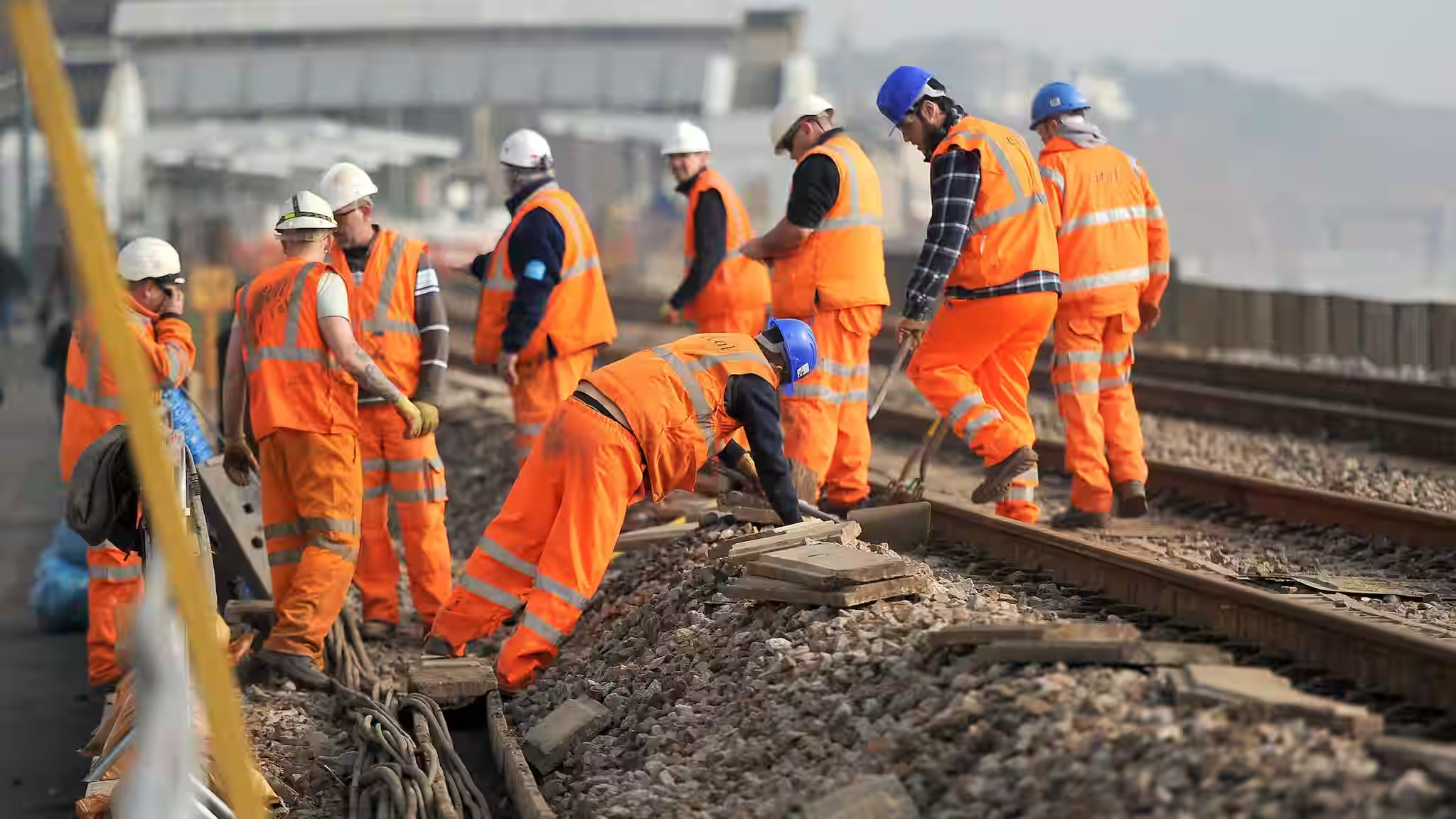
- Tracks: Composed of rails, ties, and ballast, they form the physical foundation for the trains.
- Rolling Stock: This includes locomotives and carriages, which transport passengers and freight across the tracks.
- Stations: Facilities where passengers board and alight from trains, often providing amenities like ticketing, waiting areas, and retail.
- Signaling Systems: Technologies that manage train movements and maintain safety, preventing collisions and enabling efficient scheduling.
- Maintenance Facilities: Locations where rolling stock is serviced and repaired to ensure operational reliability.
Types of Rail Systems
There are various types of rail systems designed to meet different transportation needs:
- Heavy Rail: Typically operates on separate tracks for long-distance travel with high passenger and freight capacities.
- Light Rail: Known for urban transit applications, offering flexibility and accessibility with lower passenger capacities compared to heavy rail.
- Freight Rail: Specifically designed for transporting goods over long distances, utilizing specialized cars that cater to various cargo types.
- High-Speed Rail: Features advanced technology to achieve rapid travel between major cities, significantly cutting journey times.
- Suburban Rail: Serves regional transit needs, linking urban centers with suburbs, providing commuters with efficient travel options.
Benefits of Modern Rail Systems
Environmental Impact
Modern rail systems significantly reduce greenhouse gas emissions compared to road and air transport. Trains are inherently more energy-efficient, delivering more payload per energy unit consumed. By shifting goods and passengers from personal vehicles to rail, environmental footprints shrink, contributing to cleaner air and less traffic congestion. Moreover, many rail systems are pursuing electrification and renewable energy sources, further enhancing sustainability efforts.
Cost Efficiency
Operational costs for rail systems tend to be lower than those of road transport. With fewer infrastructure maintenance demands and lower energy costs per ton-mile, rail transportation becomes an economically attractive option for freight and passenger services. Additionally, rail investment yields long-term economic returns, fostering local economies through job creation and regional development.
Public Transport Advantages
Rail systems are a vital component of public transport networks, providing a reliable mode of travel for millions. They offer consistent schedules, lower fares, and the ability to move large numbers of passengers quickly, which is crucial in urban settings. Enhanced accessibility resulting from strategic station placements translates to improved mobility for urban populations, making commutes shorter and more enjoyable.
Challenges in Rail Systems Development
Funding and Investment Issues
Securing adequate funding for rail systems can be a significant roadblock, particularly as initial infrastructure costs are high. Public-private partnerships and innovative financing models are essential to overcome budgetary constraints. Furthermore, advocating for the societal benefits of rail transport can incentivize government support and private investment.
Technological Barriers
The integration of advanced technologies into rail systems can pose challenges. From outdated infrastructure to resistance to technological change, many rail networks must modernize to stay competitive. Investment in research and development is necessary to foster innovation while effectively training personnel on new technologies to ensure a smooth transition.
Regulatory Challenges
Compliance with regulatory frameworks can slow the development of rail projects. Frequent changes in legislation, combined with the need for safety certifications and community consultations, can delay project timelines. Collaborating with stakeholders to navigate these regulatory landscapes is crucial for the timely advancement of rail projects.
Future Trends in Rail Systems
Electrification and Sustainability
The future of rail systems lies in electrification, which offers a pathway to sustainability. By transitioning from diesel to electric trains, rail networks can dramatically cut emissions. This transition includes investing in electric infrastructure and charging stations, as well as adopting renewable energy sources to power electric trains sustainably.
Smart Technologies in Rail Systems
Innovations such as artificial intelligence, big data, and Internet of Things applications are playing an increasingly significant role in rail systems. Smart technologies enhance operational efficiency by enabling real-time monitoring, predictive maintenance, and improved passenger experiences through digital ticketing and information systems.
Global Trends and Innovations
Rail systems worldwide are witnessing trends such as hyperloop technology, which promises to revolutionize travel with speeds exceeding traditional trains. Globally, countries are adopting modular rail systems and developing regional networks that prioritize multimodal connections encompassing various transport forms, improving overall transit efficiency.
Implementing Effective Rail Systems
Planning and Design Strategies
Effective planning and design are critical to the success of rail system implementation. Thorough feasibility studies should assess the needs of communities and existing infrastructure capabilities, ensuring that proposed systems fit with local demands. Incorporating modular designs allows for adaptive solutions that can evolve with changing urban landscapes.
Community Engagement in Rail System Development
Community involvement is paramount for the acceptance and success of new rail systems. Engaging local stakeholders through meetings, surveys, and forums allows developers to understand community concerns and suggestions. This feedback should guide system planning and modifications, fostering a sense of ownership among residents.
Performance Metrics for Success
Establishing clear performance metrics is essential for evaluating the success of rail systems. Metrics may include ridership numbers, operational efficiency, safety statistics, and environmental impact assessments. By continuously monitoring these metrics, operators can identify areas for improvement and adapt strategies to meet evolving transport needs.
Frequently Asked Questions
What are the key benefits of rail systems?
Rail systems offer several benefits, including environmental sustainability, cost efficiency, and enhanced public transport options. They contribute to reduced emissions, lower operational costs, and improved mobility for commuters.
What types of rail systems exist?
There are various types, including heavy rail for long-distance travel, light rail for urban transit, freight rail for cargo transport, high-speed rail for rapid connections, and suburban rail systems linking urban centers to outskirts.
How do rail systems impact urban transport?
Rail systems provide a reliable, efficient mode of public transport, decreasing road congestion and improving accessibility. They foster economic growth and connect communities, resulting in reduced commute times.
What challenges do rail systems face?
Rail systems often encounter funding and investment issues, technological barriers, and regulatory challenges. Addressing these requires strategic planning and collaboration with stakeholders.
What is the future of rail systems?
The future includes greater electrification for sustainability, the adoption of smart technologies for efficiency, and innovations that enhance global connectivity. Trends like the hyperloop may redefine travel possibilities.