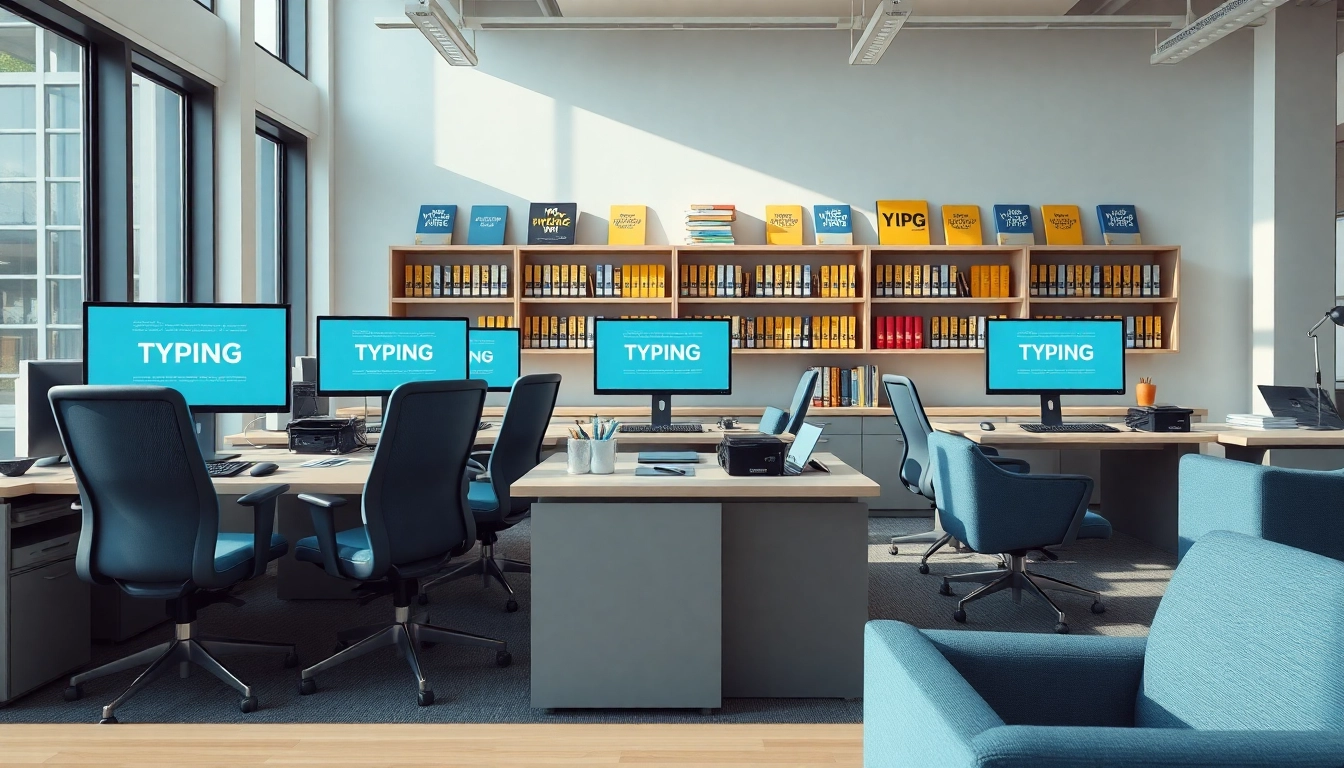
Understanding the Benefits of a Typing Center
In today's fast-paced digital world, proficiency in typing is more than a useful skill; it is a critical competency across various professional domains. Typing centers serve as dedicated spaces where individuals can enhance their typing skills, improve productivity, and access a range of services tailored to their needs. Engaging with a typing center not only equips learners with essential skills but also provides numerous advantages that can impact their career trajectories positively.
Why Choose a Typing Center?
A typing center offers a structured environment specifically designed to foster skill development. Here are several reasons why choosing a typing center can be beneficial:
- Professional Guidance: Qualified instructors provide targeted feedback and tailored lessons to suit individual learner needs.
- Structured Curriculum: With a well-defined curriculum, learners can progress through various levels while ensuring foundational skills are effectively developed.
- Access to Resources: Typing centers are equipped with the latest technology and tools, from typing software to ergonomic keyboards, enhancing the learning experience.
- Community Learning: Being part of a group allows for shared experiences, which can provide motivational support and foster collaboration.
Key Advantages for Professionals
For professionals across different sectors, the advantages of honing typing skills extend beyond personal satisfaction. Below are some key benefits:
- Increased Efficiency: Proficient typists can complete tasks quicker, leading to improved productivity and time management.
- Enhanced Job Performance: Many jobs, especially in administrative and technical fields, demand strong typing skills; enhancing these can elevate job performance.
- Career Advancement: Competent typing skills can enhance career opportunities, opening doors to roles that require secretarial or documentation expertise.
Types of Services Offered in Typing Centers
Typing centers provide a variety of services designed to meet the diverse needs of clients. Some common services include:
- Typing Classes: Scheduled classes focusing on speed, accuracy, and formatting skills.
- Test Preparation: Support for those preparing for typing proficiency tests essential for employment or certification.
- Document Preparation: Services to assist with typing, formatting, and finalizing documents for professional or academic purposes.
- Software Training: Introductory sessions on typing software that can enhance efficiency and ease of use.
Essential Skills for Success at a Typing Center
Developing skills at a typing center involves mastering specific techniques and continuously improving performance. Here are the core areas learners should focus on:
Keyboarding Techniques to Master
Fundamental keyboarding techniques form the backbone of effective typing. Learning these techniques leads to habit formation:
- Proper Hand Position: Positioning fingers correctly on the home row (ASDF for the left hand and JKL; for the right hand) is essential for efficient typing.
- Finger Placement: Each finger is designated specific keys, which minimizes hand movement and maximizes speed and accuracy.
- Touch Typing: Learning to type without looking at the keyboard enhances speed and reliability significantly.
Improving Speed and Accuracy
Boosting both speed and accuracy is critical for successful typists. Consider these strategies:
- Consistent Practice: Daily practice using online tools or typing software can facilitate improvement over time.
- Focus on Accuracy First: Prioritize accuracy over speed initially, gradually increasing speed as comfort with the keys improves.
- Timed Tests: Regular participation in timed typing tests can help establish benchmarks and push for accelerated performance.
Utilizing Typing Software Effectively
Many typing centers integrate software that can facilitate learning. To maximize its potential:
- Explore Different Programs: Familiarize yourself with a range of typing programs, each offering unique exercises and functionalities.
- Track Progress: Use software features that monitor your progress across sessions, helping identify areas for improvement.
Choosing the Right Typing Center
Selecting a typing center that aligns with personal learning styles and objectives is vital. Here are essential factors to consider:
Factors to Consider When Selecting a Typing Center
When evaluating typing centers, various aspects should inform your choice:
- Credentials of Instructors: Assess the qualifications of the instructors, as experienced professionals can provide invaluable insights and support.
- Facility Resources: Look for centers that offer modern technology and tools that can enhance the learning experience.
- Class Size: Smaller class sizes provide more personalized attention and tailored instruction.
Comparing Available Typing Centers
When narrowing down options, create a list of available centers and compare them based on the previously mentioned factors. Consider these additional aspects:
- Location: Choose a center that is conveniently located to facilitate ease of attendance.
- Costs and Packages: Review pricing structures, including per class and package deals that may offer better value.
Identifying Your Learning Style
Understanding how you learn best can aid in selecting the right typing center. Consider the following learning styles:
- Visual Learners: May benefit from diagrams, on-screen prompts, and visual demonstrations.
- Auditory Learners: Might find benefit in classes that include verbal instructions and explanations.
- Kinesthetic Learners: Typically gain from hands-on practice and interactive lessons that encourage physical engagement.
Best Practices for Learning at a Typing Center
Achieving success at a typing center requires a focused approach and set practices to maximize potential.
Setting Achievable Goals
Establishing realistic goals can drive motivation and create a sense of achievement. Consider these strategies:
- SMART Goals: Create specific, measurable, achievable, relevant, and time-bound goals that guide your learning trajectory.
- Milestones: Break down overarching goals into smaller milestones that can be celebrated along the way, keeping motivation high.
Maintaining a Consistent Practice Routine
Regular practice is a cornerstone of mastering typing. To build and maintain a routine:
- Timed Sessions: Set aside dedicated time for practice each day, even if it's just for short periods.
- Variety in Practice: Incorporate various exercises, including dictation, typing tests, and creative writing, to keep practice engaging.
Resources and Tools for Improvement
Utilize various resources to enhance your learning experience:
- Online Typing Competitions: Participate in online typing challenges that can solidify skills while making learning competitive and fun.
- Typing Workbooks: Workbooks can provide structured exercises for continuous improvement outside of the center.
Measuring Your Progress at a Typing Center
Regular evaluation of progress helps learners stay on track and motivated. Here’s how to effectively measure advancement:
Setting Evaluation Metrics
Establish specific metrics to assess progress:
- Words Per Minute (WPM): Use WPM as a primary metric for measuring typing speed.
- Accuracy Rate: Track accuracy percentages to identify areas for improvement.
Understanding Feedback Mechanisms
Feedback is essential for growth. Engage with instructors to review performance:
- Regular Reviews: Schedule times to sit with instructors to analyze practice tests and identify successful strategies.
- Peer Feedback: Consider creating study groups where peers can provide constructive criticism.
Celebrating Achievements and Setting New Goals
Recognizing accomplishments fosters continued commitment and enthusiasm:
- Recognize Improvement: Note improvements in speed and accuracy to inspire and encourage continued practice.
- Set New Challenges: Each time a goal is reached, set a new, more ambitious one to keep the learning process dynamic.
Conclusion
Enrolling in a typing center offers a multitude of benefits, from structured learning environments to access to knowledgeable instructors. By understanding essential skills, evaluating centers effectively, and implementing best practices, individuals can significantly enhance their typing expertise. Through continuous measurement of progress and adaptability in goal-setting, students not only become proficient typists but also gain confidence in their abilities, paving the way for professional success. Embrace the opportunity that a typing center provides to unlock the full potential of your typing skills.