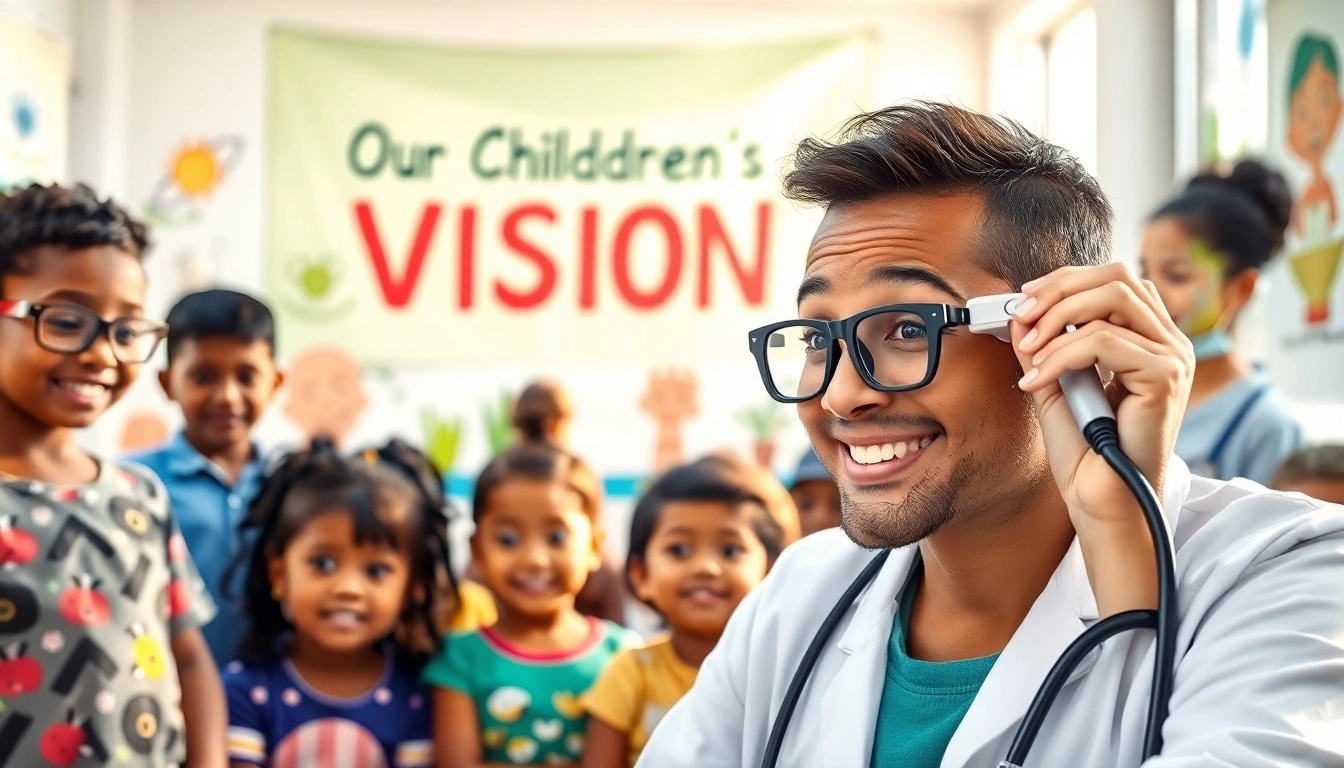
Introduction to Our Children's Vision
Ensuring the eye health of children is a critical aspect of their overall well-being and development. As vision issues can significantly affect a child's ability to learn and interact with their environment, it is essential to advocate for initiatives that promote effective eye care. Our Children's Vision emerges as a powerful campaign aimed at enhancing access to eye care for children across the globe.
The Importance of Eye Health for Children
The early years of a child’s life are crucial for their physical and cognitive development. Good vision plays a pivotal role in their ability to learn and engage in social interactions. According to research, approximately 1 in 4 children suffer from undiagnosed vision issues that range from simple refractive errors to more complex conditions that may lead to blindness if not treated. Without adequate vision, children are at risk of falling behind academically, socially, and physically, which can have long-lasting implications. Health professionals emphasize the need for routine eye examinations as part of childhood development assessments, just as crucial as vaccinations and regular check-ups.
Overview of Our Children's Vision Campaign
The initiative has emerged as a response to the alarming statistics regarding children's eye health worldwide. Our Children's Vision is a collaborative effort between various stakeholders, including healthcare professionals, educators, parents, and communities, all aimed at raising awareness and facilitating access to necessary eye care services. The campaign incorporates educational outreach, partnerships with local health organizations, and a commitment to research, aiming to provide vital resources and support for children's eye health initiatives.
Goals and Vision of the Initiative
The primary goal of the Our Children's Vision initiative is to ensure that every child, regardless of their socioeconomic status, has access to adequate eye care services. This includes regular vision screenings, comprehensive eye examinations, and affordable eyewear. Additionally, the campaign seeks to foster community engagement and elevates the conversation around children's visual health, emphasizing its importance in educational and social development. By partnering with local organizations and health care providers, the campaign hopes to create a sustainable model that communities can implement and adapt to their specific needs.
Understanding Common Vision Problems in Children
As children grow, they may encounter various vision issues that could hinder their daily activities, learning, and enjoyment of life. Understanding the common vision problems that children face is essential for parents, educators, and healthcare professionals.
Identifying Symptoms of Vision Issues
Recognizing the symptoms of vision problems in children can often be challenging. Some common signs include:
- Frequent squinting or eye rubbing
- Difficulty focusing on distant or near objects
- Complaints of headaches or tired eyes
- Avoidance of reading or other close-up tasks
- Tilting of the head or covering one eye
It is crucial for parents to be vigilant and proactive about monitoring these symptoms and to consult with eye care professionals if any concerns arise.
Data on Children's Vision Health Trends
Statistics reveal concerning trends surrounding children’s vision health. Recent studies indicate that about 25% of school-age children have undiagnosed vision problems, with many never receiving appropriate screenings. With the rising prevalence of screen time among children, conditions like myopia (nearsightedness) are becoming increasingly common. Data suggests that by the age of 16, nearly 30% of children may be affected by this condition. This trend underscores the urgent need for initiatives like Our Children's Vision to address these challenges through proactive screening and educational campaigns.
Parent Awareness and Education
Awareness is a critical component of effective vision care. Parents should be educated about the importance of regular eye examinations and the potential consequences of neglecting vision problems. Providing resources such as informational pamphlets, local screening schedules, and online resources can significantly help in building awareness. Through engagement in community events, workshops, and partnerships with schools, parents can gain a better understanding of how to support their children’s vision health.
Strategies for Promoting Eye Care
To effectively enhance children's vision health, various strategies can be implemented in communities to promote eye care services.
Effective Screening and Assessment Methods
Early intervention is key to addressing vision problems in children. Effective screening methods are essential to identify children who may require further assessments. Schools can play a significant role by conducting vision screenings as part of their health assessments. These screenings should include tests for visual acuity, refractive errors, and other common concerns. Health care providers can also offer comprehensive eye exams to evaluate eye health comprehensively. It is essential that communities have access to these assessment services and that they are conducted regularly to ensure children do not fall through the cracks.
Community Engagement and Outreach Programs
Community engagement is crucial for the success of eye care initiatives. Outreach programs should be developed to bring information and resources directly to families. Such programs could include free community eye screening events, educational workshops for parents, and partnerships with local organizations to provide mobile eye care units. Additionally, campaigns that emphasize the importance of good eye health, such as healthy screen time practices and outdoor activities, can encourage families to prioritize vision health.
Partnerships for Broader Impact
Partnerships between schools, health care providers, and community organizations can yield greater impact in promoting eye health among children. Collaborative efforts can combine resources, expertise, and networks to facilitate outreach and ensure that eye care services are accessible to all children. For instance, collaboration with pediatricians can incorporate vision assessments in routine child health checks, while partnerships with local non-profits can aid in funding vision screening initiatives.
Measuring Success in Eye Health Initiatives
Evaluating the success of eye health initiatives is imperative to ensure they are effective and meet community needs.
Key Performance Indicators for Vision Programs
Establishing key performance indicators (KPIs) can help in gauging the effectiveness of eye care programs. Common metrics include the number of screenings conducted, the percentage of children referred for further evaluation, and improvements in detection rates of vision issues. Feedback from parents and educators on the perceived effectiveness of community programs can also help refine initiatives for better outcomes.
Case Studies of Successful Implementations
Studying successful implementations of eye care programs allows communities to learn from best practices. For example, several regions have reported significant reductions in uncorrected vision problems following the introduction of school-based screening programs combined with comprehensive follow-up. These implemented strategies prove that when communities collaborate effectively, significant gains in children's vision health can be achieved.
Feedback Mechanisms for Continuous Improvement
Feedback mechanisms such as surveys and focus groups should be integrated into eye health initiatives to gather insights from stakeholders involved. This feedback can inform potential modifications to programs, ensuring they adapt to community needs efficiently. Through continuous improvement based on feedback, initiatives can enhance their reach and effectiveness, ultimately leading to better eye health outcomes for children.
Future Directions for Our Children's Vision
Looking forward, the future of children's eye health initiatives hinges on innovation and collaboration.
Innovative Approaches to Eye Care
Incorporating technology can offer innovative solutions to disseminate information and provide access to care. Telehealth, for instance, allows for remote consultations and follow-ups, making eye care more accessible to families who may encounter barriers to attending in-person appointments. Additionally, mobile apps that offer information about vision health and reminders for screenings can keep families engaged and informed about maintaining their children's eye health.
Global Collaboration and Knowledge Sharing
Reaching out across global networks can help foster collaboration and share successful strategies for eye health initiatives. Organizations can work together to exchange resources, research findings, and operational best practices that enhance the quality of eye care services available for children worldwide. Global collaboration can bridge gaps in knowledge and resources, assisting disadvantaged populations and fostering a more equitable distribution of eye health services.
Call to Action: How You Can Help
Everyone has a role to play in promoting children's vision health. Parents can advocate for regular screenings, educators can implement educational sessions, and communities can create outreach programs. Participating in local events, spreading awareness on social media, and collaborating with community organizations can increase visibility for initiatives like Our Children's Vision. By coming together, we can ensure our children receive the eye care they deserve.