Understanding the Benefits of Extension Tables
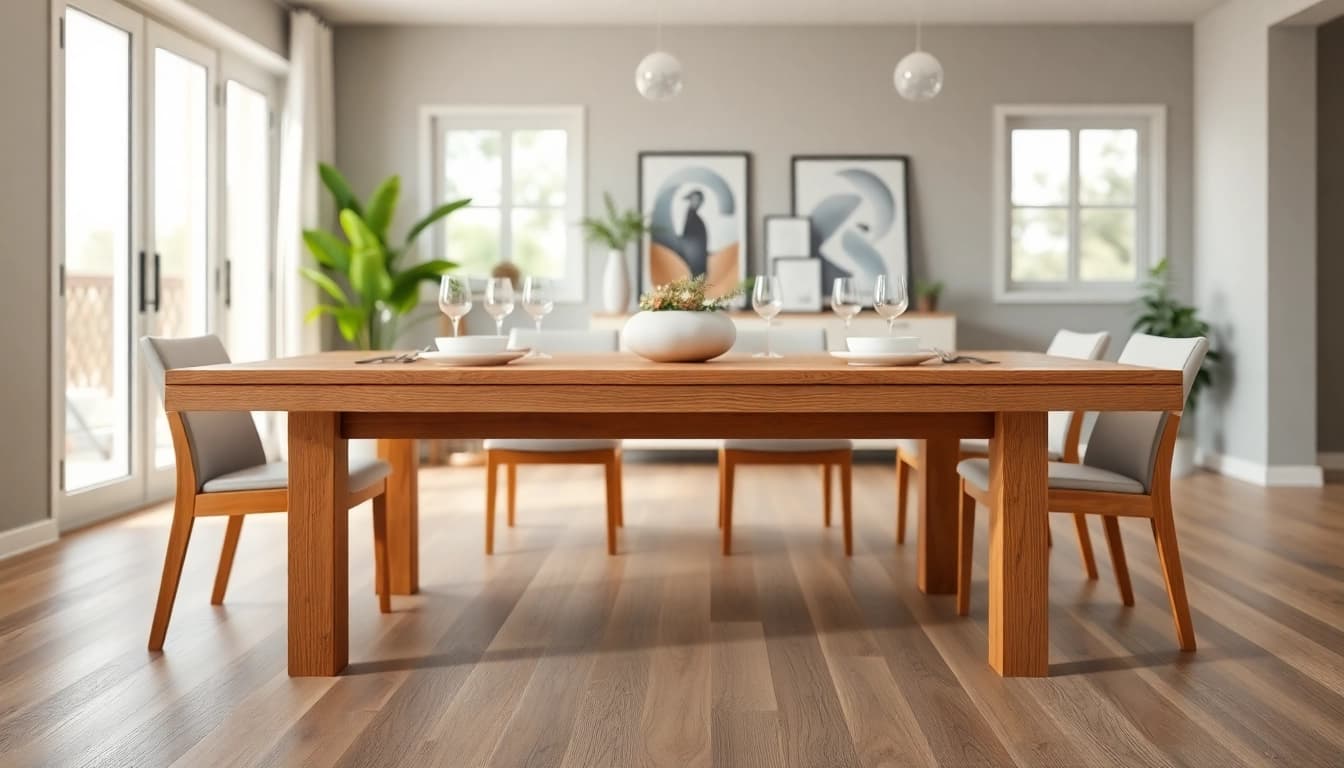
Extension tables are a remarkable addition to any dining area, providing both functionality and elegance. Their clever design allows homeowners to maximize space while being prepared for gatherings of all sizes. Whether it's a cozy family dinner or an elaborate holiday feast, Extension tables offer a versatile solution that meets various hosting needs. In this article, we will delve into the multifaceted benefits of these tables, including their space efficiency, flexibility for larger gatherings, and design versatility across different styles.
Space Efficiency in Dining Rooms
In today's world, maximizing space is essential, especially in urban living environments where dining areas tend to be compact. Extension tables allow homeowners to utilize their space efficiently. When not in use, these tables can be compact, but they easily transform to accommodate more people when needed. For instance, a table that usually seats four can extend to fit six or eight, making it ideal for intimate dinners or large gatherings.
The ability to expand makes extension tables incredibly practical for those who value both functionality and aesthetics in their dining spaces. Embracing a flexible design reduces the need for extra furniture and mitigates clutter, allowing for a clean, organized atmosphere conducive to social interactions.
Flexibility for Larger Gatherings
One major advantage of extension tables is their adaptability. Life is unpredictable—sometimes an impromptu gathering can bring friends and family together unexpectedly. With an extension table, homeowners can easily adjust their seating arrangements according to their current needs. This flexibility transforms an ordinary dinner into an opportunity for connection and celebration.
For those who frequently entertain, investing in a high-quality extension table can enhance the hosting experience significantly. Whether it’s a birthday party, holiday event, or a simple dinner with friends, the ease of extending the table makes it a practical choice for any occasion.
Design Versatility Across Styles
Extension tables come in an array of designs, materials, and finishes that cater to diverse tastes and home aesthetics. From modern minimalist styles to traditional rustic designs, these tables can seamlessly blend into any space.
Homeowners can find extension tables made from various materials such as solid wood, glass, and metal, allowing for unique customization options. The versatility in design helps create a cohesive look throughout the dining area while also making a strong design statement. This adaptability allows extension tables to fit various décor styles, making them a worthy investment for any homeowner.
Choosing the Right Extension Table Material
Selecting the right material for your extension table is crucial as it affects durability, maintenance, and overall appearance. Different materials come with their distinct advantages and drawbacks.
Wood vs. Metal: Pros and Cons
Wood and metal are among the most common materials used for extension tables, each with specific characteristics. Wooden tables are frequently favored for their warmth and natural aesthetics. They provide a cozy and inviting atmosphere, suitable for traditional and contemporary homes alike. Additionally, solid wood tables are typically more durable compared to other materials.
On the other hand, metal extension tables offer a sleek, modern feel. They are often lighter than wooden tables and can be more easily repositioned. However, metal may lack the warmth found in wood and can be prone to scratching or denting if not cared for properly. It’s essential to weigh these factors when choosing the material for your extension table.
Durability and Maintenance Considerations
When investing in an extension table, understanding the longevity of the material and required maintenance is essential. A high-quality solid wood table, though initially more expensive, can last for generations with proper care and maintenance. Regular cleaning and the occasional application of wood conditioner can keep it in pristine condition.
Conversely, metal tables may require specific cleaning products to avoid rust and corrosion while ensuring they remain scratch-free. Evaluating your lifestyle and how often you entertain can help determine which material suits your needs best.
Finishes that Suit Your Aesthetic
The finish of an extension table can dramatically influence its appearance and compatibility with existing décor. Options range from natural wood finishes to painted surfaces in various hues. Choosing the right finish not only enhances the table’s beauty but also affects its durability. For instance, a high-gloss finish may be easier to clean but could be prone to showing scratches more prominently than a matte finish.
Incorporating a finish that aligns with your personal style and complements the overall theme of your dining space will elevate the table’s presence, making it a central feature of the room.
Styles and Designs of Extension Tables
Extension tables are available in multiple styles and designs to cater to a broad range of tastes. From ultra-modern to classic, understanding the various styles available can help you select the perfect table for your home.
Modern Trends in Extension Tables
Modern extension tables often feature clean lines, minimalist design, and innovative functionality. These tables often incorporate unique mechanisms for extending, such as sliding leaves or pop-up sections, blending form with efficiency. Integrated storage solutions, such as drawers or shelves, further enhance their practicality while maintaining aesthetic appeal.
Current trends see a preference for bold colors and mixed materials, such as pairing a wooden tabletop with metal legs, allowing for creative expression in dining areas.
Traditional vs. Contemporary Styles
When selecting an extension table, it's essential to consider whether a traditional or contemporary style would work best in your space. Traditional tables often feature ornate carvings, rich finishes, and classic silhouettes, providing a timeless appeal. In contrast, contemporary tables prioritize simplicity and functionality, often using unique shapes and innovative designs that suit a modern lifestyle.
Your choice should reflect not only your personal style but also how it aligns with the overall aesthetic of your home, ensuring a harmonious design flow.
Color Schemes that Enhance Your Space
Choosing the right color for your extension table can have a significant impact on the ambiance of your dining area. Lighter shades, such as whites and pastels, can make a space feel airy and open, while dark hues create a more intimate, cozy environment. Additionally, selecting colors that complement or contrast with wall hues and surrounding furniture can further enhance the room's visual appeal.
For those looking to make a statement, bold colors can draw attention and become a focal point, adding personality and vibrancy to your dining area.
How to Select the Perfect Size for Your Extension Table
Finding the right size extension table is critical for both functionality and aesthetics. An appropriately sized table ensures that your dining area does not feel cramped while providing adequate seating for your needs.
Measuring Your Available Space
Before purchasing an extension table, measure the space where you intend to place it. Consider factors such as the amount of room needed to pull out the extensions comfortably without hindrance. A general rule of thumb is to allow at least 36 inches of clearance around the table for easy movement.
Utilizing a tape measure and marking out the desired dimensions on your floor can provide a visual idea of how the table will fit in the space.
Understanding Seating Capacity Needs
Understanding the typical number of guests you host is essential in selecting the right extension table size. Calculate the number of individuals you usually entertain and factor in additional guests for special occasions. Each person typically requires roughly 24 inches of width at the table to sit comfortably.
For instance, a standard table that expands from seating four people to eight may be suitable for those who regularly invite friends over, while someone who usually hosts larger family gatherings might benefit from a table that accommodates more substantial numbers.
Planning for Future Gatherings
When selecting your extension table, consider not just your current needs but also future gatherings. Anticipating how your hosting patterns might change over time can save you from making premature purchases or needing an expensive upgrade later on.
Choose a table that offers flexibility in its extension capacity while still catering to your daily needs to ensure it's a long-lasting investment.
Accessorizing Your Extension Table
Once you have selected the perfect extension table, consider ways to accessorize it for different occasions. Thoughtful accessories can enhance the entire dining experience, making each gathering memorable.
Table Settings for Different Occasions
A well-laid table can elevate any meal, from casual family dinners to extravagant celebrations. Choosing the right tableware, cutlery, and glassware can create an inviting atmosphere. Additionally, integrating seasonal decor or themed settings can make gatherings more unique.
Consider developing a collection of versatile items in various styles and colors to easily adapt to different occasions without the need for a complete overhaul each time.
Choosing Centerpieces and Decor
Centerpieces add personality and charm to your dining table. Opt for floral arrangements, candles, or even artistic objects that resonate with your style. Make sure that your centerpieces do not obstruct guests' views or hinder conversation, as a functional table is just as important as an aesthetically pleasing one.
Experimenting with decor allows for personalization and creativity. Consider rotating centerpieces based on season or occasion to keep your dining area fresh and inviting.
Maintaining Functionality with Style
While aesthetics play a significant role, functionality should remain a top priority. Ensure that the accessories you choose complement the intended use of the table. For instance, when hosting a grand dinner, utilize larger plates, serving platters, and utensils that maintain the table's elegance while ensuring effortless service.
Finding the right balance between functional items and decorative pieces creates an inviting atmosphere that makes dining experiences enjoyable for you and your guests.
This article has explored the many benefits and considerations in choosing and utilizing extension tables. Understanding their importance in maximizing space, accommodating gatherings, and embracing style helps homeowners make informed choices that enrich their dining experiences.