Understanding EV Charging Solutions
What Are EV Charging Solutions?
EV charging solutions refer to the various methods and technologies employed to charge electric vehicles (EVs). This encompasses a range of charging stations, connectors, and electrical infrastructure designed to facilitate the replenishment of energy in electric vehicles quickly and safely. As the adoption of electric vehicles grows worldwide, understanding these solutions is far more critical than ever. Effective EV charging solutions not only enable users to charge their vehicles but also play a significant role in reducing greenhouse gas emissions and fostering sustainable transportation.
The Importance of EV Charging Solutions in Today's Market
The transition to electric vehicles is accelerated by various factors, including rising fuel prices, advancements in battery technology, and increasing environmental awareness. As governments worldwide push towards sustainability, the availability of robust and diverse EV charging solutions has become a critical aspect of urban planning and transportation policy. These solutions not only support the growing number of electric vehicles on the road but also help mitigate the fossil fuel dependency, promote energy independence, and enhance public health by reducing air pollutants.
Types of EV Charging Solutions Available
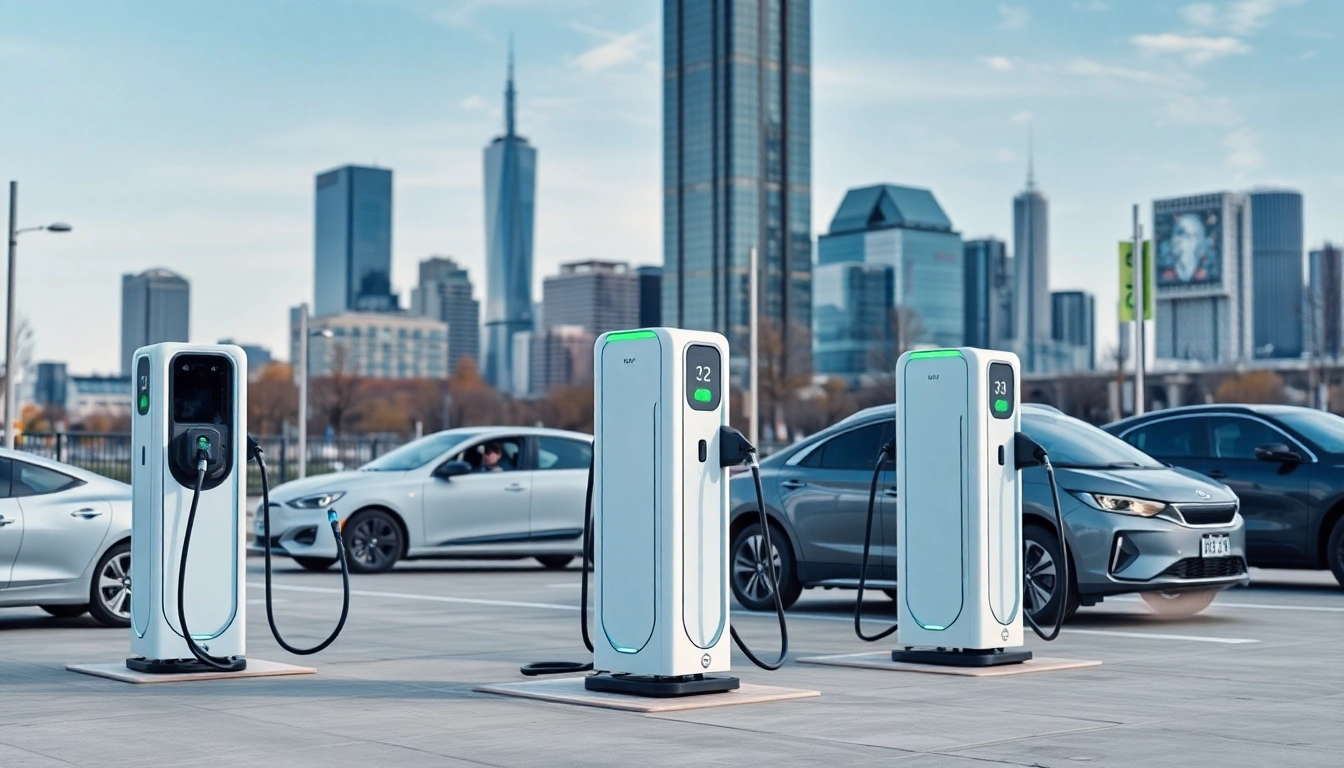
Several types of EV charging solutions cater to different needs. They can be classified primarily into three categories:
- Level 1 Charging: Utilizes a standard 120-volt outlet and is often suitable for home use, providing a trickle charge that is ideal for overnight charging.
- Level 2 Charging: Involves a 240-volt outlet, available in residential and commercial settings. It substantially reduces charging time compared to Level 1 solutions.
- DC Fast Charging: Provides high-voltage direct current and is used in public charging stations for rapid energy replenishment. It can charge an EV to 80% in about 30 minutes.
Key Benefits of Implementing EV Charging Solutions
Environmental Impact and Sustainability
Adopting EV charging solutions directly contributes to significant environmental benefits. By facilitating the use of electric vehicles, these solutions help decrease greenhouse gas emissions and reduce air pollution. In densely populated areas, the reduction of conventional internal combustion engine vehicles correlates with improved air quality and public health. Additionally, integrating renewable energy sources into EV charging installations enhances the sustainability profile of the transportation sector, aligning with global climate goals.
Cost Savings and Economic Advantages
Investing in EV charging solutions presents cost-saving opportunities for both consumers and businesses. For individuals, the cost per mile for operating an electric vehicle is often lower than that of gasoline-powered vehicles. Businesses that deploy charging infrastructure can not only attract and retain customers but also take advantage of incentives and subsidies that promote sustainable initiatives. Furthermore, an existing charging network can increase property values and appeal to environmentally conscious investors.
Enhancing Convenience for Electric Vehicle Users
Convenience is a crucial factor for the successful adoption of electric vehicles. Well-located and accessible EV charging solutions can significantly enhance user experience by minimizing charging times and eliminating range anxiety. The proliferation of charging stations in urban areas, workplaces, and retail centers allows users to charge their vehicles while they go about their daily activities. Additionally, mobile apps that locate nearby charging stations and offer real-time availability further streamline the user experience.
Challenges in Adopting EV Charging Solutions
Infrastructure and Installation Considerations
The effective deployment of EV charging infrastructure requires careful planning and investment. Challenges may arise regarding suitable site selection, grid capacity, and the physical installation of chargers. Local area regulations and land-use restrictions could also play a significant role in determining where charging stations can be placed. It is vital to collaborate with utility providers to ensure that the infrastructure can handle the increased demand for electricity that will accompany the growing number of charging stations.
Cost Barriers and Investment Strategies
Despite the economic benefits, the initial installation of EV charging solutions can present a financial challenge for many businesses and homeowners. Various strategies can help mitigate these costs. Leveraging government incentives, grants, and partnerships can alleviate the financial burden. In addition, some businesses explore innovative financing models, such as leveraging tax credits, which can further expand their capabilities without upfront costs.
Regulatory Challenges and Compliance Issues
Understanding the regulatory landscape surrounding EV charging solutions is essential. Different jurisdictions may impose specific requirements regarding permitting, safety standards, and operational guidelines. Staying informed about the regulations can prevent costly fines and ensure compliance, ultimately facilitating a more efficient rollout of charging infrastructure. Engaging legal and regulatory experts early in the process can enhance understanding and application of these laws.
Best Practices for Implementing EV Charging Solutions
Choosing the Right Location for Charging Stations
Location selection is critical for maximizing the utilization of EV charging solutions. High-traffic areas, such as shopping centers, workplaces, and community hubs, provide excellent opportunities for installations. Locations should offer easy access for drivers and incorporate signage to raise awareness. Analysis of local traffic patterns and consumer behavior can provide valuable insights into the optimal placement of charging stations.
Integrating Renewable Energy Sources
Incorporating renewable energy into the charging infrastructure is an essential best practice, promoting sustainability while reducing operational costs. Solar panels can be utilized alongside charging stations to create a self-sustaining system. Implementing energy storage solutions, such as batteries, can ensure a consistent power supply, especially during peak charging times. This integration not only enhances sustainability efforts but also reduces reliance on the grid.
Performance Monitoring and Maintenance Strategies
Continuous monitoring of EV charging solutions is necessary to maintain efficiency and reliability. Implementing software tools to track usage patterns, downtime, and charging speeds provide important data for operational improvements. Regular maintenance checks can preemptively address wear and tear, ensuring that charging stations function optimally. Engaging a dedicated technical support team can help streamline maintenance and repairs, ultimately enhancing user satisfaction.
Future Trends in EV Charging Solutions
Advancements in Charging Technologies
As technology evolves, so do EV charging solutions. Emerging trends include ultra-fast charging stations and wireless EV charging systems that enhance user convenience. Innovations in energy management systems, such as smart chargers, allow for load management and flexibility in energy sourcing. The future may also see improved vehicle-to-grid (V2G) technologies, allowing electric vehicles to return energy to the grid when necessary, embodying a truly sustainable energy ecosystem.
Increased Accessibility and Integration into Urban Planning
The integration of EV charging solutions into urban development plans is becoming more prevalent. Planners are beginning to account for EV infrastructure alongside roadways, housing developments, and commercial areas. It highlights the commitment to sustainable transport among city planners, fostering increased accessibility to charging solutions for all citizens. This trend will ensure that as cities build out their infrastructure, they don’t leave behind those without private EV charging access.
Collaborations for Expanding Charging Networks
Partnerships between businesses and local governments will play a crucial role in expanding charging networks. Collaboration can extend resources and knowledge, leading to better-funded and strategically placed charging solutions. Public-private partnerships can facilitate the construction of charging stations at little to no cost to the community, enhancing the overall availability of electric vehicle charging.
FAQs
What are the different types of EV charging solutions?
EV charging solutions include Level 1, Level 2, and DC fast chargers, each serving different charging needs based on power availability and charging speed.
How do EV charging solutions benefit businesses?
They attract customers, enhance sustainability efforts, and provide potential revenue streams through fees associated with charging services.
What is the cost of installing EV charging solutions?
Costs for installation vary widely based on location and charger type, generally ranging from a few hundred to several thousand dollars.
Can EV charging solutions be integrated with renewable energy?
Yes, integrating renewable energy sources like solar can enhance the sustainability of EV charging solutions and help lower energy costs.
What future technologies are expected in EV charging solutions?
Future trends may include wireless charging, ultra-fast charging technologies, and advanced energy management systems to optimize charging.