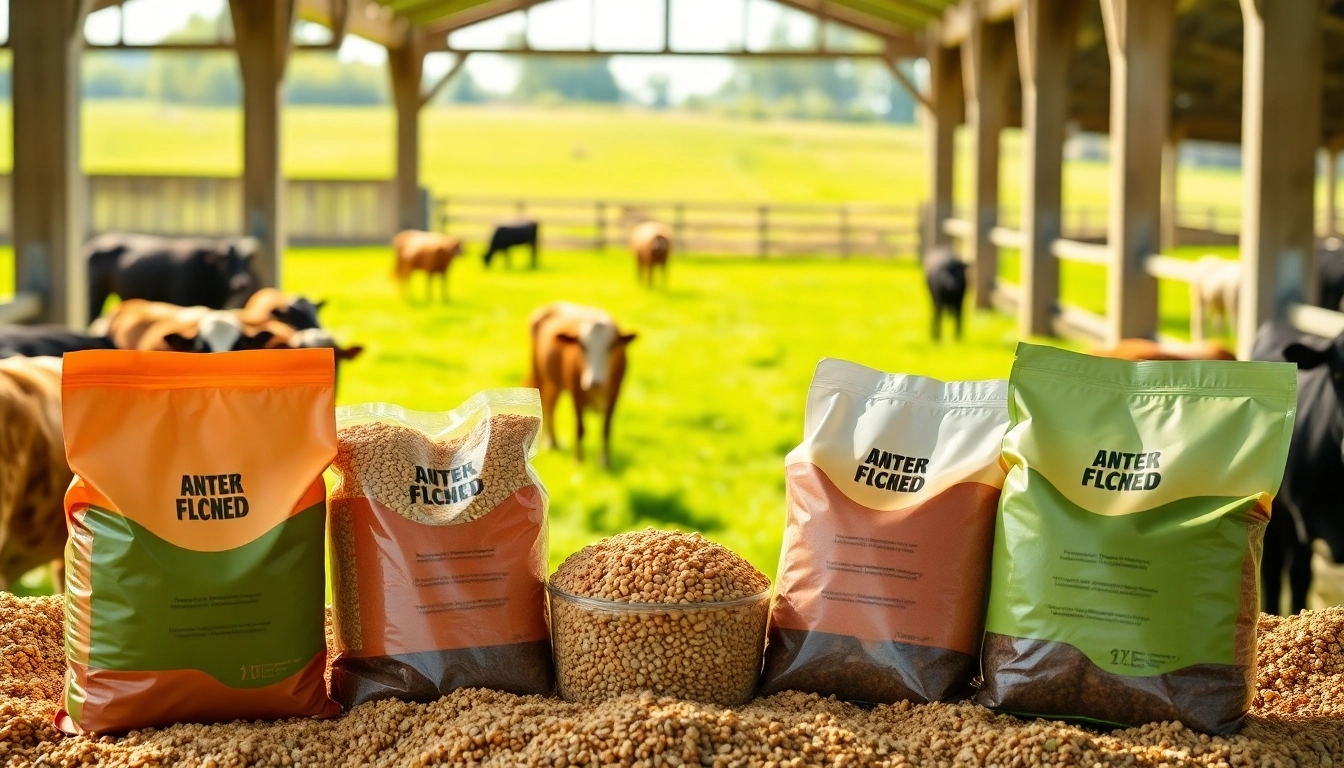
Effective livestock management hinges on having a clear understanding of various factors, not the least of which is the pivotal role of Cattle Feed. Quality cattle feed ensures that animals receive adequate nutrition, which directly influences their health, growth, and overall productivity. In this in-depth exploration, we will delve into the importance of cattle feed, evaluate different cattle feed options, discuss best management practices, and consider the role of supplements.
Understanding the Importance of Cattle Feed
Why Quality Cattle Feed Matters
The nutritional quality of cattle feed is fundamental to livestock production. Properly formulated cattle feed contributes to optimal weight gain, milk production, and reproductive performance. Conversely, substandard feed can lead to health problems, lower profitability, and decreased sustainability within farming operations. Understanding the ramifications of feed quality helps farmers make informed decisions to enhance productivity and animal welfare.
Essential Nutrients in Cattle Feed
Cattle require a balanced diet that includes a variety of nutrients to thrive. The essential nutrients in cattle feed can be categorized into the following groups:
- Protein: Vital for growth, reproduction, and milk production.
- Energy: Crucial for overall health and metabolic processes; mostly sourced from carbohydrates and fats.
- Minerals: Important for bone development, metabolic functions, and immune support. Key minerals include calcium, phosphorus, and magnesium.
- Vitamins: Play various roles in maintaining health. Vitamins A, D, and E are particularly important for cattle.
- Water: Often overlooked, but essential for all functions, including digestion and temperature regulation.
Types of Cattle Feed Available
The options for cattle feed are diverse and can be tailored to meet specific needs:
- Forage: This includes grass, hay, and silage, which provide roughage and important nutrients.
- Concentrates: These are energy-dense feeds, such as grains and by-products, designed to complement forages.
- Complete feeds: These are mixed rations that provide a well-balanced diet in a single feed.
- Specialty feeds: Formulated for specific purposes, such as growth, lactation, or finishing cattle for market.
Evaluating Your Cattle Feed Options
How to Choose the Right Cattle Feed
Selecting the appropriate cattle feed requires evaluating multiple factors:
- Life stage: Different life stages such as growing, breeding, or lactating animals require different nutritional compositions.
- Production goals: Your specific objectives (e.g., meat, milk production) will guide which type of feed to choose.
- Budget: High-quality feed often comes at a cost, but cutting corners can result in higher long-term expenses due to health issues.
- Local availability: Access to feed types may vary by region, influencing your options.
Factors Influencing Feed Selection
Several factors can influence your selection of cattle feed:
- Seasonal variations: Different seasons may require adjustments to feed types and quantities.
- Climate: In harsher climates, livestock may require additional energy sources and supplements.
- Feed quality: Prioritize high-quality ingredients and assess suppliers for consistency.
Cost vs. Quality in Cattle Feed
While it may be tempting to choose cheaper feed options, they often skimp on necessary nutritional components. Investing in quality cattle feed can save farmers money in the long run by promoting better health and reducing veterinary costs. Analyzing the cost-per-unit of nutrients rather than just the price can provide a clearer picture of true value in their feed options.
Best Practices for Cattle Feed Management
Storing Cattle Feed Properly
Proper storage is crucial for maintaining feed quality. Cattle feed should be stored in a dry, cool place, free from contaminants. Humidity can encourage mold growth, and exposure to sunlight can degrade vitamin levels. Consider using airtight containers or silos to preserve quality and safeguard against pests.
Feeding Techniques and Schedules
Establishing a consistent feeding schedule can significantly impact cattle health and productivity. Regular feeding times encourage better digestion and nutrient absorption. It is advisable to offer feed in multiple smaller meals throughout the day rather than one excessive feeding to prevent digestive issues. Additionally, varying the feeding method based on the type of feed may enhance intake efficiency.
Monitoring Cattle Feed Intake
Regular monitoring of cattle feed intake ensures that nutrient requirements are being met. Observing changes in cud chewing, body condition, and overall behavior can provide insights into the adequacy of the diet. Utilizing tools like feed scale systems can help track consumption effectively, allowing for timely adjustments as needed.
The Role of Supplements in Cattle Feed
When to Use Cattle Feed Supplements
Cattle feed supplements can provide additional nutrients when the base diet lacks balance. For instance, during breeding or lactation periods, the nutritional requirements increase significantly. Recognizing when to enhance the diet with supplements is critical for ensuring optimum health and production standards.
Types of Supplements Available
Various supplements are available depending on cattle needs:
- Mineral supplements: Essential when forage does not contain sufficient minerals.
- Protein supplements: Ideal for growing or lactating animals needing higher protein intake.
- Energy supplements: Useful during periods of increased energy demands, such as weaning or transport.
Monitoring the Effects of Supplements
Supplements should be monitored for their impact on cattle health and performance. Regular weight checks, milk production records, and the observation of behavioral changes can provide valuable data. Consult nutritionists for specific recommendations based on observed outcomes and adjust supplement use as required.
Frequently Asked Questions About Cattle Feed
What is the best type of cattle feed?
The best cattle feed varies based on the specific needs of the cattle, their life stage, and production goals. A balanced diet with quality forages and concentrates tailored to their requirements is ideal.
How much cattle feed should I provide daily?
Daily feed requirements depend on factors such as the cattle's weight, age, and purpose. Generally, cattle should receive approximately 2-3% of their body weight in dry matter daily, but this can vary.
Can I mix different types of cattle feed?
Yes, mixing different types of cattle feed can help achieve a balanced diet. However, it’s essential to ensure that the overall nutritional content meets the cattle's dietary needs without causing digestive issues.
What are the signs of poor cattle feed quality?
Signs of poor cattle feed quality include unusual odors, excessive dust, foreign contaminants, mold presence, and signs of reduced animal health or performance when consuming that feed.
How can I store cattle feed for optimal freshness?
Cattle feed should be stored in dry, cool, and airtight containers to prevent exposure to moisture, sunlight, and pests. Regular checks for spoilage are crucial to maintaining quality.