Best Fly Fishing Boots for Stream and River Fishing
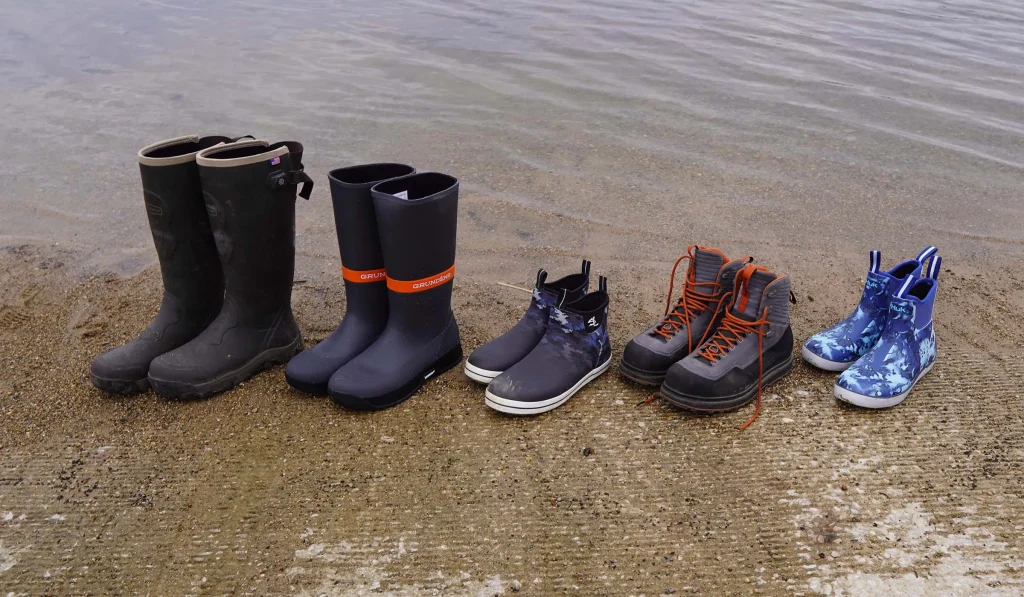
Fly fishing is not just a sport; it’s an experience that connects anglers with nature in a unique and peaceful way. However, to make the most of your fly fishing trips, having the right gear is crucial. One essential piece of equipment that can significantly enhance your fishing experience is a reliable pair of fly fishing boots. Whether you are navigating a shallow stream or wading through a swift river, choosing the right boots ensures safety, comfort, and optimal performance.
Why Fly Fishing Boots Are Essential
When it comes to fly fishing, wading in cold, slippery water is unavoidable. Ordinary shoes or hiking boots cannot provide the necessary grip or protection, which is why specialized fly fishing boots are essential. These boots are designed to keep your feet dry, warm, and stable on rocky riverbeds. Many models also come with felt or rubber soles, offering excellent traction in both calm streams and turbulent rivers. Without proper boots, anglers risk slipping, discomfort, and even injuries, making them a critical investment for anyone serious about fly fishing.
Key Features to Look for in Fly Fishing Boots
Choosing the right fly fishing boots can be overwhelming due to the variety of options available. Here are the key features to consider before making your purchase:
1. Material and Durability
The material of your fly fishing boots directly affects their lifespan and performance. High-quality boots are typically made from waterproof leather or synthetic materials. Waterproofing ensures your feet remain dry, while durable construction withstands abrasion from rocks and underwater obstacles. Investing in durable boots may cost more upfront, but it guarantees long-term comfort and protection.
2. Sole Type
The sole of your fly fishing boots plays a significant role in your stability. Felt soles are traditional and provide excellent grip on slippery rocks, while rubber soles offer better performance in rivers with debris or algae. Some modern boots combine both materials, giving anglers the best of both worlds. Depending on where you fish, choosing the right sole type is crucial to prevent accidents and enhance mobility.
3. Comfort and Fit
Long hours standing in cold water can be exhausting without proper support. When shopping for fly fishing boots, prioritize comfort features such as cushioned insoles, ankle support, and a snug yet flexible fit. Boots that are too tight can cause blisters, while loose boots reduce control when wading in swift currents. Taking the time to try different sizes and styles ensures you find boots that fit perfectly for long fishing days.
4. Ankle Support
Rivers and streams are full of uneven surfaces and slippery rocks, making ankle support a key consideration for fly fishing boots. High-cut boots provide additional support to prevent twisting injuries, while mid-cut options offer more flexibility and are lighter for long hikes to remote fishing spots. Depending on your wading style and the terrain, ankle support can greatly impact your overall safety and comfort.
Tips for Maintaining Your Fly Fishing Boots
Proper care extends the life of your fly fishing boots and keeps them performing at their best. After each trip, rinse the boots with fresh water to remove dirt, mud, and algae. Avoid using harsh detergents, which can damage waterproof coatings and materials. For leather boots, applying a conditioner helps maintain flexibility and prevent cracking. Additionally, allow your boots to dry naturally at room temperature rather than exposing them to direct heat, which can weaken the structure.
Popular Types of Fly Fishing Boots
There are several types of fly fishing boots to suit different fishing environments:
- Wading Boots: Designed specifically for standing in water, these boots often feature reinforced soles and ankle support.
- Hiking-Fly Fishing Boots: Ideal for anglers who need to hike to remote streams, combining hiking boot durability with water-resistant features.
- Neoprene Boots: Lightweight and flexible, perfect for warmer weather or shallow water fishing.
Understanding the type of fishing you do most often helps you select the boots that meet your specific needs.
Conclusion
Investing in the right pair of fly fishing boots is more than just a purchase; it’s an investment in safety, comfort, and an enhanced fishing experience. From choosing durable materials and the proper sole type to ensuring ankle support and a perfect fit, the right boots allow you to navigate streams and rivers confidently. With proper care and maintenance, your fly fishing boots can last for many seasons, making every wade enjoyable and secure. Whether you are a beginner or an experienced angler, high-quality fly fishing boots are essential for getting the most out of your time on the water.