Understanding Security Systems: Your Comprehensive Guide
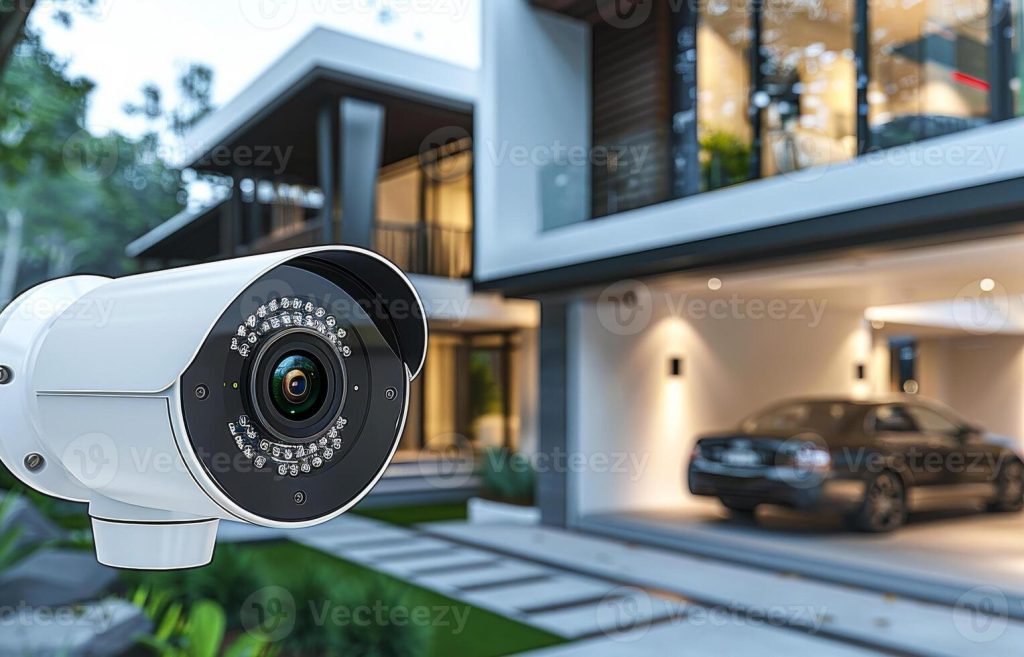
In today’s fast-paced and unpredictable world, ensuring the safety of your home, business, and valuable assets has never been more important. Security Systems have evolved from basic alarm setups to advanced, intelligent solutions that provide comprehensive protection against threats such as burglary, fire, and other emergencies. These systems combine hardware, software, and monitoring services to detect, alert, and respond to potential dangers in real time. Investing in a reliable security system is not just a precaution; it is a vital part of protecting your property, ensuring the safety of your family or employees, and achieving peace of mind.
What Are Security Systems?
Security systems are integrated networks of devices and technologies designed to safeguard people, property, and information. At their core, they serve to detect unauthorized access, monitor activity, and alert the relevant parties when potential threats occur. Components typically include sensors, alarms, cameras, control panels, and professional monitoring services. These systems can be standalone or connected to smart home networks, allowing users to control them remotely via smartphones or computers. The ultimate goal of a security system is to provide a proactive approach to safety, ensuring that threats are identified and addressed before they escalate.
Modern security systems are increasingly sophisticated, leveraging artificial intelligence and machine learning to analyze patterns, reduce false alarms, and provide actionable insights. This integration allows for automated alerts, remote monitoring, and even predictive security measures that anticipate potential threats before they happen.
Importance of Security Systems
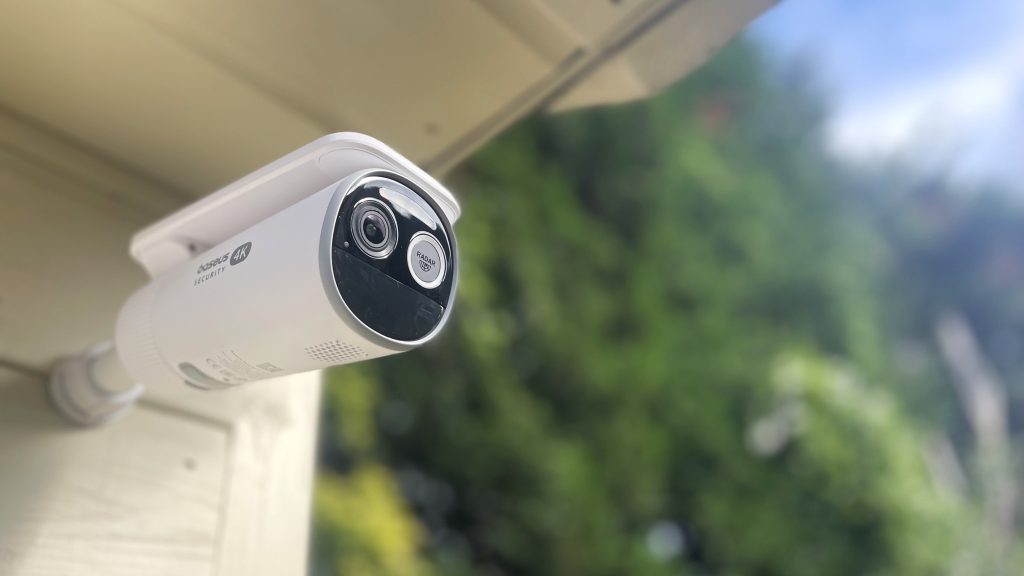
The importance of installing a security system cannot be overstated. First and foremost, these systems act as a powerful deterrent to crime. Potential intruders are less likely to target properties equipped with visible cameras, alarms, and monitoring devices. In addition to crime prevention, security systems provide rapid response capabilities. When an alarm is triggered, it can notify law enforcement, fire departments, or private security services immediately, reducing the risk of loss or damage.
Remote monitoring is another crucial advantage of modern security systems. Homeowners and business operators can track activity in real time, receive alerts, and even control devices from anywhere in the world. Many insurance providers recognize the value of such systems and offer premium reductions for properties protected by professionally installed security systems. Beyond these tangible benefits, perhaps the most important aspect is peace of mind. Knowing that your property and loved ones are protected gives you confidence and reduces daily stress, allowing you to focus on other priorities.
Types of Security Systems
Understanding the different types of security systems is key to selecting the solution that best meets your needs.
Burglar Alarm Systems
Burglar alarm systems are one of the most commonly installed types of security systems, particularly in residential settings. These systems are designed to detect unauthorized entry into a property and trigger alarms that alert both the occupants and surrounding area. They typically include door and window sensors, which activate when access points are opened unexpectedly, and motion detectors that sense movement within specified areas. Control panels serve as the hub of the system, allowing users to arm or disarm alarms, configure settings, and monitor activity. Audible alarms provide immediate warnings to deter intruders, while modern systems can also send alerts directly to smartphones for instant notifications. Burglar alarms are effective, easy to install, and can often be integrated with additional smart home features for enhanced protection.
Surveillance Camera Systems
Surveillance cameras, or CCTV systems, are essential components of modern security systems. These systems provide visual monitoring of property and help capture evidence in the event of an incident. Traditional analog cameras transmit footage via coaxial cables, while modern IP cameras offer high-definition video and the ability to stream remotely over the internet. PTZ (pan, tilt, zoom) cameras allow for comprehensive coverage of large areas, while hidden or discreet cameras can be installed in sensitive locations for covert monitoring. The primary advantage of surveillance cameras is the ability to continuously observe your property, providing both real-time insights and recorded evidence that can assist law enforcement or insurance claims.
Access Control Systems
Access control systems are designed to manage and restrict entry to specific areas, making them essential for commercial properties, offices, and high-security facilities. Key card systems, biometric authentication such as fingerprint or facial recognition, PIN codes, and smart locks are commonly used components. These systems not only ensure that only authorized individuals can enter restricted areas but also provide detailed logs of entries and exits. This capability is particularly valuable for businesses that need to maintain records of employee access or protect sensitive information. By combining access control with other security systems, organizations can significantly enhance their overall safety and operational security.
Fire and Safety Systems
Fire and safety systems are integral to comprehensive security systems and focus on protecting life and property from environmental hazards. Smoke detectors detect the presence of smoke and trigger alarms, while heat detectors respond to rapid changes in temperature. Sprinkler systems can automatically suppress fires, and emergency alert systems notify occupants and authorities in case of fire or hazardous conditions. By integrating fire safety with traditional security measures, these systems provide holistic protection and ensure a safer environment for everyone in the building.
Smart Home Security Systems
Smart home security systems represent the next generation of security systems. They integrate advanced technologies such as AI, IoT connectivity, and mobile app control to provide a seamless and intuitive security experience. These systems allow users to monitor and control alarms, cameras, and smart locks remotely, receive real-time notifications, and even automate responses based on specific triggers. AI-driven analytics can differentiate between normal and suspicious activities, reducing false alarms and providing actionable insights. Smart home security systems offer unparalleled convenience and flexibility, making them an excellent choice for tech-savvy homeowners who want a comprehensive and future-proof solution.
Key Features of Effective Security Systems
When choosing a security system, it is important to evaluate several critical features. Real-time alerts ensure that users are immediately informed of any potential security breach or emergency situation. A system with 24/7 monitoring guarantees constant protection, even when the property owner is away. Integration with smart home devices allows for seamless interaction with lights, locks, and cameras, creating a more cohesive and automated environment. Scalability ensures that additional sensors, cameras, or devices can be added as security needs evolve. A user-friendly interface, whether a control panel or mobile app, ensures ease of use for all users. Cloud storage allows for secure, off-site access to video footage, and battery backup ensures uninterrupted protection during power outages. By considering these features, property owners can select security systems that are reliable, effective, and tailored to their specific needs.
Residential vs. Commercial Security Systems
Residential security systems are designed primarily for homes and apartments, focusing on convenience, aesthetics, and ease of use. Common components include burglar alarms, surveillance cameras, smart locks, and fire safety devices. The goal is to protect occupants and personal property while allowing for remote access and integration with other home automation features.
Commercial security systems, on the other hand, are tailored for offices, retail stores, warehouses, and industrial facilities. These systems place greater emphasis on access control, extensive surveillance, fire safety, and cybersecurity. Large-scale installations often require professional setup and ongoing support to ensure all aspects of the property are adequately monitored and protected. While both residential and commercial security systems serve the same fundamental purpose of safety, the scale, complexity, and feature set differ significantly.
Benefits of Installing Security Systems
Investing in security systems provides numerous advantages. First, crime prevention is significantly enhanced, as visible alarms and cameras deter potential intruders. Quick emergency response is facilitated through real-time alerts that notify authorities immediately. Remote monitoring allows property owners to check on their home or business from anywhere, providing constant peace of mind. Additionally, properties equipped with professional security systems may see an increase in value and attractiveness to buyers or tenants. Insurance providers often recognize the protective value of these systems and may offer reduced premiums. Finally, safety for occupants is greatly improved, ensuring the well-being of family members, employees, and customers.
How to Choose the Right Security System
Selecting the ideal security system involves several important considerations. First, assess the specific needs of your property, taking into account its size, layout, entry points, and potential vulnerabilities. Next, choose the type of system that aligns with these needs, whether it is a home-focused smart system, a commercial access control network, or a combination of multiple solutions. Evaluate the features offered, including alerts, remote access, scalability, and cloud storage. Setting a realistic budget is essential, factoring in installation, maintenance, and monitoring costs. Decide whether professional installation is necessary or if a DIY setup will suffice. Finally, research customer reviews, expert opinions, and product ratings to ensure you select a reliable and high-performing security system.
Advanced Technologies in Modern Security Systems
Modern security systems incorporate cutting-edge technologies that enhance protection and convenience. Artificial intelligence can detect unusual behavior and provide alerts, significantly reducing false alarms. IoT integration allows cameras, alarms, and locks to communicate seamlessly, creating a cohesive monitoring network. Cloud-based monitoring provides secure off-site access to video footage and system data. Mobile apps allow for remote control and real-time monitoring from anywhere. Biometric access, including fingerprint and facial recognition, adds an extra layer of security, particularly in high-risk areas. These technological advancements make security systems smarter, more efficient, and easier to manage than ever before.
Maintenance and Upkeep of Security Systems
Regular maintenance is critical to ensuring that security systems continue to operate effectively. This includes testing alarms and sensors, updating software and firmware, cleaning cameras and motion detectors, and checking battery backups. Periodically reviewing and adjusting monitoring settings is also essential to maintain optimal performance. A well-maintained system minimizes false alarms, maximizes responsiveness, and ensures the long-term reliability of your security system investment.
Common Misconceptions About Security Systems
Many people hold misconceptions about security systems. Some believe that only large homes or businesses need security, but even small properties benefit greatly from protection. Others assume security systems are solely for burglary prevention, but they also address fire, environmental hazards, and emergency situations. DIY systems are often perceived as unreliable, but many modern solutions provide excellent performance. Concerns about cost are mitigated by a range of options suitable for different budgets. Finally, some assume that once installed, a system requires no attention, but regular maintenance is crucial to ensure effectiveness.
Future of Security Systems
The future of security systems is characterized by greater intelligence, connectivity, and automation. Predictive analytics powered by AI may anticipate potential threats before they occur. Biometric technologies will continue to evolve, offering more secure and convenient access control. Smart city initiatives may integrate security systems across urban infrastructures, providing city-wide safety networks. Enhanced cybersecurity measures will protect connected devices from hacking and data breaches. These trends indicate that security systems will become more intuitive, proactive, and essential in the coming years.
Conclusion
Investing in a professional security system is a critical step in protecting your home, business, and loved ones. By understanding the types, features, and benefits of various security systems, property owners can make informed decisions that provide safety, convenience, and peace of mind. Regular maintenance and leveraging advanced technologies ensure that your system remains effective over time. With a well-chosen security system, you can confidently protect your property and enjoy the reassurance that your assets and loved ones are secure. Visit our homepage for complete information.
Frequently Asked Questions
What is the most effective type of home security system? A combination of burglar alarms, surveillance cameras, and smart home integration provides comprehensive and reliable protection.
How much does professional installation of a security system cost? Residential installations range from $300 to $2,000, while commercial setups can exceed $5,000 depending on size and complexity.
Can I monitor my security system remotely? Yes, most modern security systems offer mobile apps and cloud-based platforms for real-time monitoring and control from anywhere.
Are DIY security systems reliable? Many DIY systems provide effective protection, though professional installation may be preferable for larger or more complex properties.