The Basics of 3PL
Definition and Importance of 3PL
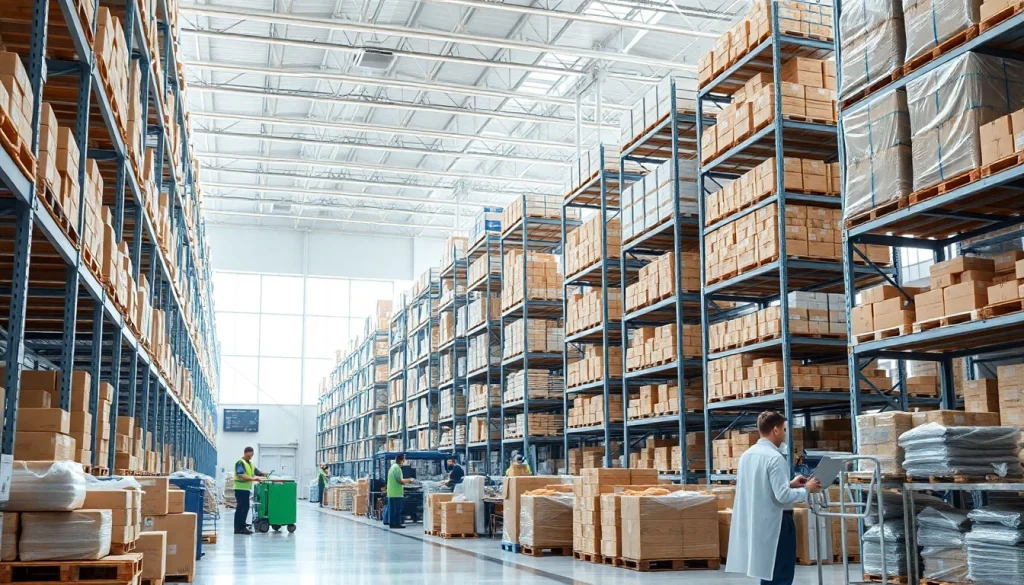
Third-party logistics, commonly referred to as 3PL, represents a significant aspect of supply chain management, encompassing outsourcing of logistics processes including warehousing, fulfillment, and distribution services. Companies turn to 3PL providers to streamline operations, reduce costs, and allow internal resources to focus on core business activities. This trend has grown substantially over the years, driven by the need for efficiency, increased customer expectations, and the complexity of supply chain dynamics.
How 3PL Services Function
3PL services function as an extension of a company’s logistics capabilities. When a business engages a 3PL provider, it generally relies on them to manage various logistics tasks such as inventory management, transportation management, and sometimes even manufacturing. The 3PL provider integrates into the business model of the client, utilizing technology platforms, warehouse facilities, and transportation networks to deliver comprehensive services tailored to the client’s specific requirements. Typical services include:
- Warehousing: Secure storage facilities where products are kept until they are needed.
- Distribution: Efficient transportation services to manage how products are delivered to customers or retail locations.
- Fulfillment: Order processing, picking, packing, and shipping services to ensure timely delivery.
- Inventory Management: Monitoring inventory levels to avoid both excess stock and stockouts.
Common Types of 3PL Providers
There are various types of 3PL providers, each specializing in different areas of logistics services:
- Transportation-based 3PLs: Focus primarily on transportation and freight logistics.
- Warehouse-based 3PLs: Specialize in storage solutions and offer services related to inventory management.
- Finance-based 3PLs: Help companies optimize freight spend and manage costs.
- Distribution-based 3PLs: Integrate various aspects of logistics including transportation and warehousing into a cohesive distribution strategy.
Key Benefits of Using 3PL
Cost Savings and Financial Efficiency
A primary reason businesses seek the services of 3PL providers is to achieve cost savings. By outsourcing logistics functions, companies can convert fixed costs into variable costs, reducing overhead expenses tied to maintaining warehouses and transportation fleets. 3PL providers often negotiate higher shipping discounts due to their volume, which can significantly lower shipping costs for their clients. This aspect not only provides immediate financial savings but also enhances cash flow management, allowing companies to allocate resources more strategically.
Scalability and Flexibility in Operations
One of the most significant advantages of partnering with a 3PL provider is the scalability it offers. As businesses grow or experience fluctuations in demand, 3PLs can swiftly adjust resources—whether increasing storage space during peak seasons or downsizing when demand decreases. This flexibility enables businesses to respond quickly to market changes without the long-term commitments associated with owning logistics infrastructures.
Access to Expertise and Advanced Technologies
3PL providers bring extensive logistics expertise, utilizing advanced technology solutions that many businesses might not be able to afford independently. From sophisticated inventory management systems to cutting-edge transportation management software, these technologies enhance operational efficiency. Furthermore, 3PLs typically have experienced logistics professionals who stay updated on best practices, compliance requirements, and industry trends, allowing businesses to benefit from their knowledge and avoid pitfalls.
Choosing the Right 3PL for Your Business
Factors to Consider When Selecting a 3PL
Selecting the right 3PL provider is a strategic decision that should align with a company’s long-term goals. Key factors to consider include:
- Industry Experience: Look for providers with experience specific to your industry, as they may better understand the unique challenges you face.
- Service Offerings: Ensure the 3PL offers the services that align with your operational requirements, such as returns management or specialized handling.
- Technology Capabilities: Review the technology platforms used by potential 3PLs to ensure they can integrate seamlessly with your systems.
- Geographic Reach: Depending on your target market, evaluate the provider’s logistics network and capabilities in those regions.
Evaluating 3PL Capabilities and Services
Once potential providers are identified, businesses should thoroughly evaluate their capabilities. This process includes reviewing case studies or testimonials and speaking with existing clients to assess performance quality. Understanding how a 3PL manages inventory levels, order processing times, and transportation metrics can provide insight into their operational reliability.
Understanding Contractual Agreements with 3PL Providers
When engaging with a 3PL, it is crucial to thoroughly understand and negotiate the contractual terms. Contracts should clearly outline the services provided, key performance indicators (KPIs), pricing structures, and termination policies. Businesses should ensure that they have the flexibility to adapt to changes in their logistics needs while protecting their interests in the event of service shortcomings.
Challenges in 3PL Implementation
Common Pitfalls When Working with 3PL
While partnering with a 3PL can be transformative, various challenges may arise. Common pitfalls include:
- Poor Communication: Lack of clear communication can lead to misunderstandings and operational inefficiencies.
- Inadequate Performance Metrics: Failing to establish and monitor performance metrics can result in unaddressed issues or service failures.
- Incompatibility: Disparate systems between the business and the 3PL can complicate integration efforts.
Mitigating Risk in 3PL Partnerships
To mitigate risks associated with 3PL partnerships, businesses should establish comprehensive collaboration practices. Regular reviews of performance metrics, aligned operational goals, and ongoing training for both team members and 3PL staff can enhance cooperation and adapt to shifts in demand or operational challenges. Building strong relationships based on transparent communication fosters a culture of accountability and continuous improvement.
Measuring Performance and Success in 3PL Operations
Establishing key performance indicators (KPIs) is critical for determining the success of a 3PL partnership. Common KPIs may include:
- Order accuracy rates
- Delivery lead times
- Cost per order
- Inventory turnover rates
Regularly tracking and analyzing these metrics can provide valuable feedback and guide optimization efforts between the business and its 3PL provider.
The Future of 3PL in Logistics
Emerging Trends in 3PL Services
The logistics landscape is constantly evolving, and several emerging trends are shaping the future of 3PL services. Increased adoption of technology, particularly in automation and artificial intelligence, is expected to enhance efficiency. E-commerce growth continues to drive demand for faster fulfillment solutions, prompting 3PLs to adapt to consumer needs quickly. Furthermore, sustainability practices are gaining momentum, with companies seeking eco-friendly logistics solutions.
How Technology is Shaping 3PL
Technology plays a pivotal role in transforming 3PL services. Innovations such as real-time tracking systems, advanced warehouse management software, and data analytics empower businesses to enhance visibility and operational efficiency. The integration of machine learning and robotic automation is set to streamline processes further, reduce errors, and improve overall service quality.
Forecasting the Future Needs of 3PL Clients
As deadlines shorten and customer expectations rise, 3PL providers will need to anticipate and respond to future trends proactively. Companies seeking 3PL partnerships may increasingly prioritize agility, transparency, and sustainability in their operations. Building a resilient supply chain that can withstand disruptions and meet changing market demands will be essential for future success. Companies that embrace innovation and adapt to evolving market conditions are likely to thrive in the increasingly competitive logistics environment.