
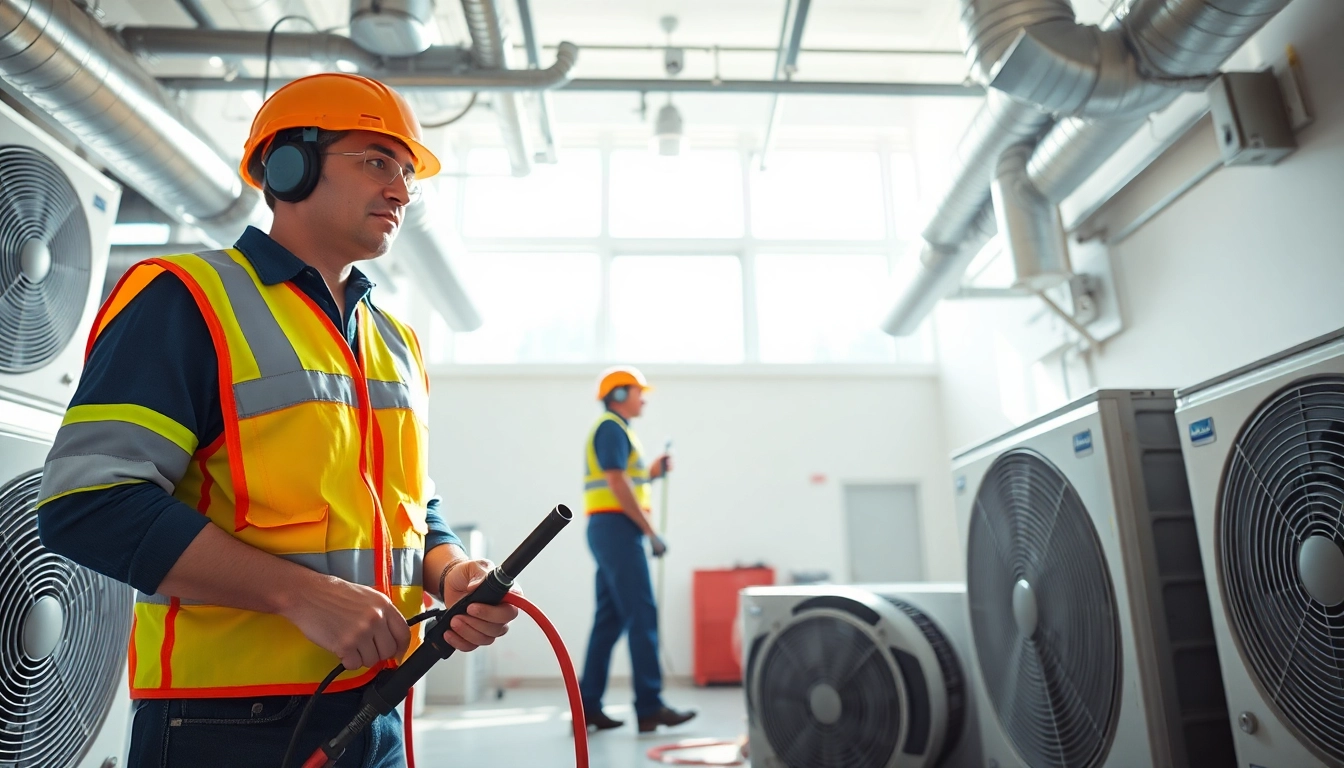
The Importance of Duct Cleaning and HVAC Inspection
Indoor air quality plays a crucial role in the health and comfort of your home or business environment. A significant aspect of maintaining air quality is ensuring that your ductwork and HVAC systems are functioning effectively. Regular duct cleaning and HVAC inspection are vital for achieving this goal. They not only help to keep your air clean but also enhance the efficiency of your heating and cooling systems.
Understanding Duct Cleaning
Duct cleaning involves the removal of dust, debris, and other pollutants from the ductwork of your HVAC system. Over time, these ducts can accumulate various contaminants that can degrade indoor air quality and hamper system performance. The process typically requires specialized equipment to ensure thorough cleaning and is best performed by qualified professionals.
Benefits of HVAC Inspection
An HVAC inspection is a critical process that allows technicians to assess the condition and efficiency of your heating and cooling systems. The inspections can identify potential issues before they escalate into costly repairs. Key benefits of regular HVAC inspections include:
- Improved energy efficiency leading to lower utility bills.
- Extended lifespan of HVAC equipment.
- Enhanced safety by detecting issues like gas leaks or electrical hazards.
- Consistent indoor comfort by ensuring your HVAC system operates effectively.
Signs You Need Duct Cleaning and HVAC Inspection
Recognizing the signs that indicate a need for duct cleaning and HVAC inspection is essential for maintaining your system’s performance and ensuring a clean indoor environment. Signs to watch for include:
- Visible dust accumulation around vents and air registers.
- Increased allergies or respiratory problems among occupants.
- Unpleasant odors emanating from the ductwork.
- Inconsistent temperature distribution throughout your space.
- Hearing unusual noises coming from the HVAC system.
How Duct Cleaning Works: A Step-by-Step Guide
Initial Assessment and Preparation
The duct cleaning process begins with an initial assessment of the HVAC system and ductwork. Technicians will inspect the system for visible signs of contamination and take measurements to determine the best approach for cleaning. Preparation also includes sealing off vents to ensure that dust and debris do not escape into the living space during the cleaning process.
Cleaning Process Explained
The actual cleaning process involves various techniques aimed at effectively removing contaminants from the ductwork. Professional duct cleaners often use:
- High-powered vacuum systems: These are used to suction away dirt and debris from the ducts.
- Rotary brushes: These brushes dislodge dust and debris that may be clinging to duct walls.
- Air whips: These inflatable devices effectively push contaminants into the vacuum system.
After the cleaning, technicians may apply sanitizers or antimicrobial agents to enhance cleanliness and reduce microbial growth.
Post-Cleaning Inspection Procedures
After the cleaning process is complete, a post-cleaning inspection is conducted to ensure that all contaminants have been removed and the system is functioning correctly. Technicians may use cameras or other tools to inspect the ductwork’s interior once again. This step guarantees that the cleaning was thorough and any issues requiring further attention are identified.
Choosing the Right Services for Duct Cleaning and HVAC Inspection
What to Look for in a Service Provider
Selecting the right service provider is crucial for effective duct cleaning and HVAC inspection. When evaluating potential companies, consider the following factors:
- Certifications: Ensure the company holds certifications from recognized organizations that uphold industry standards.
- Experience: A provider with years of experience will likely have dealt with a variety of systems and issues.
- Insurance: Verify that the company is fully insured to cover any unexpected issues during the service.
Comparing Service Packages
Many companies offer various service packages for duct cleaning and HVAC inspection. When comparing packages, be sure to check for:
- What is included in the service (e.g., types of cleaning methods, inspection procedures).
- Warranty or satisfaction guarantees offered.
- Cost and different pricing structures based on your HVAC system’s size or complexity.
Customer Reviews and Feedback
One of the best ways to gauge the quality of a duct cleaning and HVAC inspection service provider is by looking at customer reviews and feedback. Online reviews can offer insights into the experiences of previous clients, revealing strengths and weaknesses of the service. Consider checking multiple sources to get a comprehensive view of the company’s reputation.
Maintaining Your HVAC System After Inspection and Cleaning
Regular Maintenance Tips
Once your ductwork and HVAC systems have been cleaned and inspected, regular maintenance becomes essential to preserving their functionality. Recommended maintenance tips include:
- Changing air filters regularly, ideally every 1-3 months.
- Scheduling annual HVAC inspections to catch issues early.
- Keeping the area around HVAC units clean and accessible for maintenance.
DIY vs. Professional Care
While some aspects of HVAC maintenance can be performed by homeowners, many tasks are best left to professionals. DIY efforts may include changing filters or cleaning registers, but tasks such as deeper duct cleaning or system diagnostics often require specialized training and tools. In general, engaging professionals ensures quality care and compliance with safety standards.
Long-term Benefits of Regular Inspection
Investing in regular inspections can lead to significant long-term savings. Benefits include:
- Reduced energy costs due to optimal system performance.
- Less frequent breakdowns and malfunctions, leading to lower repair costs.
- Improved indoor air quality, promoting health and comfort.
Frequently Asked Questions
How often should duct cleaning and HVAC inspection be done?
It’s recommended to perform duct cleaning and HVAC inspection every 3-5 years, but frequency may increase based on environmental factors.
Can I clean my ducts myself?
While DIY cleaning is possible, professional services ensure thorough cleansing and comply with safety standards.
What tools are used for duct cleaning?
Technicians use specialized vacuum systems, rotary brushes, and air whips to effectively clean the ducts.
Are there health benefits to duct cleaning?
Yes, cleaned ducts can reduce allergens, improve indoor air quality, and lead to better respiratory health.
How long does the duct cleaning process take?
The process typically takes 2-5 hours depending on system size and condition, ensuring thorough cleaning and inspection.