
Introduction to Construction Craft Training
What Is Construction Craft Training?
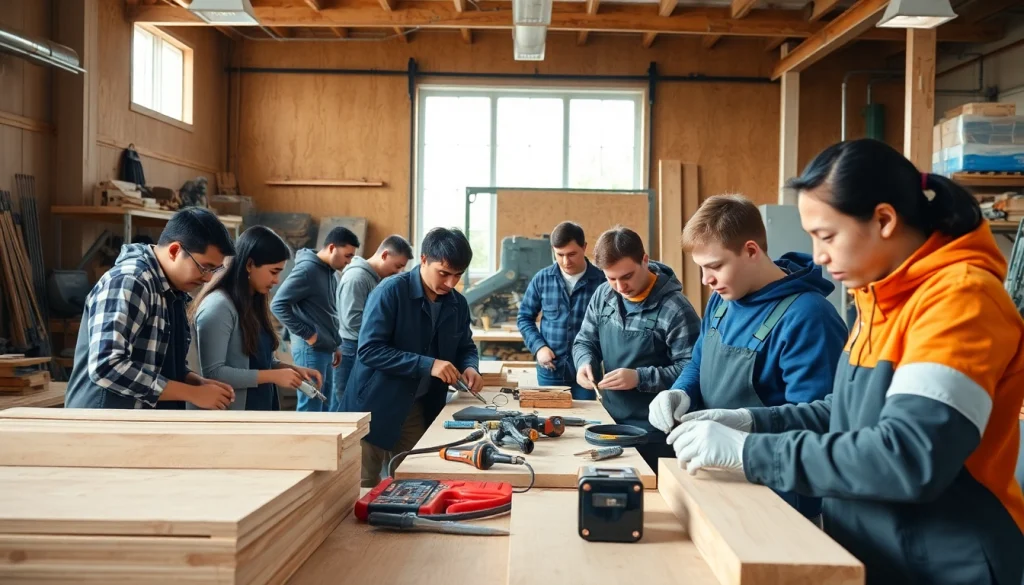
Construction craft training refers to a structured educational program designed to impart the essential skills and knowledge needed for various roles in the construction industry. This training encompasses practical and theoretical aspects tailored towards trades such as carpentry, plumbing, electrical work, masonry, and more. Participants engage in hands-on learning that equips them with the capabilities to execute construction tasks safely and efficiently. The emphasis is on practical skill acquisition, ensuring that trainees are job-ready upon completion of their courses.
Importance of Skill Development
In an industry marked by rapid advancements in technology and techniques, skill development is paramount. Construction craft training plays an essential role in bridging the skills gap that can exist within the workforce. As construction projects grow increasingly complex, there is a rising demand for skilled workers who can navigate new tools and methodologies, ensuring tasks are completed effectively. Moreover, investing in skill development enhances job satisfaction and promotes career longevity, benefiting both employees and employers in the long run.
Overview of Training Programs
Training programs vary by discipline but generally encompass a mix of classroom instruction and practical experience. Typical structures may include apprenticeship programs that combine on-the-job training with theory, short-term workshops focusing on specific skills, or comprehensive courses leading to certificates in construction trades. Prospective students can choose programs based on their career goals and the current demands of the construction industry. For more detailed information, individuals may inquire about local offerings and frameworks that support construction craft training.
Key Components of Effective Training
Hands-On Learning Experiences
One of the most significant aspects of effective construction craft training is the focus on hands-on learning. This approach allows trainees to apply theoretical knowledge in practical settings, reinforcing what they learn in the classroom. Real-world experience is invaluable, as it prepares students to encounter jobsite challenges and learn to problem-solve effectively. Training facilities often incorporate simulators and workshops where students can practice their skills in a controlled environment before transitioning to live projects.
Safety Regulations and Practices
Construction sites are inherently hazardous, making safety training a crucial element of any construction training program. Understanding safety regulations and practices is not just beneficial but essential for preventing accidents and ensuring compliance with legal requirements. Courses should cover topics such as personal protective equipment (PPE), hazard recognition, emergency procedures, and the safe operation of equipment. A focus on safety instills a culture of responsibility and care that permeates the industry.
Mentorship and Peer Support
Effective training programs often incorporate mentorship and peer support. Experienced professionals can offer insights and feedback that can significantly enhance a trainee’s learning experience. A mentorship model fosters an environment where trainees can ask questions, share challenges, and receive guidance. Moreover, collaborative projects among peers can promote teamwork and improve communication skills, which are critical in construction management and execution.
Career Opportunities in the Construction Field
Skills in Demand Within the Industry
The construction industry is continuously evolving, with specific skills becoming increasingly sought after. Skills in digital technologies like Building Information Modelling (BIM), sustainable construction practices, and advanced manufacturing techniques are among those in high demand. Additionally, traditional crafts such as electrical installation, welding, and plumbing remain foundational, ensuring that skilled craftsmen remain valuable assets to any project team.
Pathways to Advancement
Individuals who embark on a career in construction craft training can expect various pathways for career advancement. With foundational skills and experience, opportunities arise not only within traditional craftsmanship roles but also in project management, estimating, and construction supervision. Continued professional development through advanced certifications and specialized training can further enhance career trajectories, allowing workers to ascend to supervisory or managerial positions.
Building a Professional Network
Networking plays a crucial role in advancing a career in construction. Engaging with industry professionals through networking events, trade shows, and professional associations can open doors to job opportunities and collaborations. Building a solid professional network helps individuals stay updated on industry trends, share best practices, and learn from others’ experiences, allowing for personal and professional growth throughout one’s career.
Best Practices for Successful Training
Tailoring Programs to Individual Needs
One-size-fits-all approaches to training can often fall short of meeting individual learner’s needs. Therefore, effective construction craft training programs should offer flexibility, allowing for tailored experiences that align with each trainee’s goals and career aspirations. Personalizing training can involve assessing the learner’s prior experience, learning styles, and career objectives, thus ensuring that training is relevant and impactful.
Continuous Learning and Adaptation
The construction industry is rapidly changing, and continuous learning is vital. Training programs should not conclude upon completion but foster a mindset of lifelong learning. This can include workshops on new technologies, attending industry conferences, and pursuing additional certifications. Employers and educators should facilitate access to ongoing training opportunities, enabling individuals to adapt to and embrace industry changes effectively.
Feedback and Evaluation Mechanisms
Constructive feedback is essential for improvement in skills and training programs. Implementing regular evaluation mechanisms not only provides insights into a trainee’s progress but also helps to assess the effectiveness of training methods. Both self-assessment and instructor feedback can significantly enhance the educational experience, allowing for adjustments that better meet learning objectives and industry requirements.
FAQs about Construction Craft Training
What types of skills are taught in construction craft training?
Construction craft training covers a range of skills, including carpentry, plumbing, electrical installation, masonry, safety protocols, and project management techniques. The focus is on practical, hands-on skills that are directly applicable in the field.
How long does construction craft training typically take?
The duration of construction craft training varies by program and discipline, ranging from a few weeks for short workshops to several years for apprenticeships. Most programs are designed to fit the needs of the trainees and industry demands.
Are there certifications awarded after training?
Yes, many construction craft training programs offer certifications upon completion. These certifications can demonstrate a trainee’s proficiency and enhance their employment prospects within the industry.
What career paths can one pursue after completing training?
After completing construction craft training, individuals can pursue careers in various trades, project management, supervision, or estimating. Options depend on the specific skills acquired and additional certifications obtained.
How can employers support trainees effectively?
Employers can support trainees by providing tailored training programs, mentorship, access to ongoing education, and a positive work environment that encourages learning and development. This commitment can lead to higher job satisfaction and retention rates.