
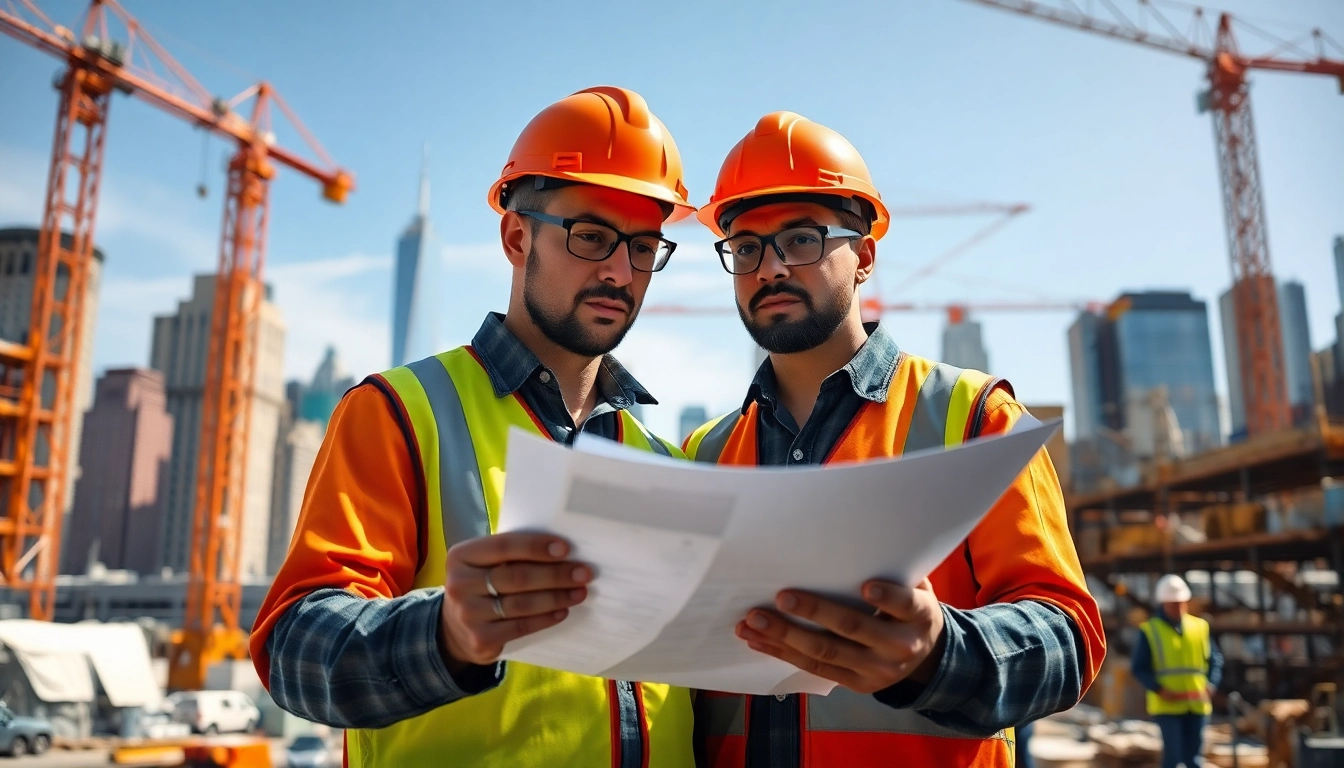
Understanding the Role of a New York City Construction Manager
The role of a New York City Construction Manager is pivotal in the bustling landscape of urban development. These professionals coordinate and oversee various construction projects, ensuring that they are completed on time, within budget, and in compliance with all regulatory requirements. This comprehensive role extends beyond mere project oversight, incorporating elements of strategic planning, team management, and stakeholder engagement. Understanding this multifaceted position is key for anyone interested in pursuing a career in construction management in one of the most dynamic cities in the world.
Job Description and Core Responsibilities
A New York City Construction Manager is responsible for the successful execution of construction projects from conception through completion. Their core responsibilities include:
- Project Planning: Developing project plans that include timelines, milestones, budgets, and resource allocation.
- Team Coordination: Leading teams of architects, engineers, and subcontractors to ensure everyone is aligned with project goals.
- Regulatory Compliance: Ensuring all construction activities comply with local laws, safety regulations, and building codes.
- Budget Management: Overseeing project budgets, managing costs, and maintaining financial records.
- Risk Management: Identifying potential risks or issues and developing mitigation strategies to address them effectively.
- Quality Assurance: Ensuring that the construction quality meets industry standards and project specifications.
Key Skills Required for Success
The complexity of managing construction projects in New York City demands a unique skill set. Some of the essential skills include:
- Leadership: Ability to lead diverse teams and manage conflicts to ensure a collaborative working environment.
- Communication: Strong verbal and written communication skills to convey information clearly to team members, stakeholders, and regulatory agencies.
- Problem-Solving: Aptitude for analyzing situations and developing effective solutions to unexpected challenges.
- Technical Knowledge: Understanding of construction methods, materials, and technologies is crucial for making informed decisions.
- Financial Acumen: Proficiency in budgeting, financial forecasting, and cost control measures.
Importance of Effective Communication
Effective communication is one of the pillars of successful construction management. A construction manager must relay information clearly across multiple stakeholders including clients, project teams, and regulatory bodies. Regular meetings, status reports, and feedback sessions play a significant role in ensuring everyone involved is informed and engaged. These practices foster trust and transparency, which are essential for smooth project execution. Moreover, the urban dynamics of New York City necessitate that construction managers be adept at managing communications in high-pressure environments and adapting their messaging for different audiences.
Challenges Faced by New York City Construction Managers
While the role of a New York City Construction Manager can be rewarding, it also comes with its own set of challenges. Understanding these challenges prepares professionals to face them effectively.
Dealing with Regulatory Compliance
New York City has stringent regulations and building codes that construction managers must navigate. Compliance involves understanding complex local, state, and federal laws regarding construction practices, labor standards, and environmental impact. This can create hurdles in project initiation and execution. Effective construction managers not only stay updated on changes in regulations but also adopt proactive compliance strategies to minimize delays and fines.
Managing Budget Constraints and Financial Oversight
Budget management is a critical responsibility of a construction manager, particularly in a city known for its high costs and variables. Despite meticulous planning, unforeseen issues like supply chain disruptions or labor shortages can lead to budget overruns. Successful construction managers are those who employ rigorous financial oversight practices, including regular budget reviews, variance analyses, and contingency planning.
Adapting to Rapid Urban Development
New York City is continuously evolving, with urban development occurring at an unprecedented pace. Construction managers must adapt to this ever-changing landscape which includes addressing issues related to gentrification, infrastructure improvements, and community impact. Developing agility in project planning and resource allocation helps construction managers accommodate these rapid changes while maintaining project timelines and stakeholder engagement.
Best Practices for New York City Construction Managers
To navigate the complexities of construction management effectively, several best practices can guide professionals in the field towards success.
Project Planning and Scheduling
Effective project planning involves outlining a clear scope of work, establishing timelines, and aligning resources accordingly. Utilizing project management tools can streamline schedules, allowing construction managers to monitor progress and make adjustments as necessary. Additionally, segmenting projects into manageable phases helps ensure that deadlines are met and that resources are allocated efficiently.
Utilizing Technology in Construction Management
The integration of technology in construction management has transformed the industry. Tools such as Building Information Modeling (BIM), project management software, and mobile applications facilitate better collaboration and real-time data sharing. These technological advancements enable construction managers to track progress, manage schedules, and enhance communication among teams. Staying at the forefront of technology ensures that projects are executed with modern efficiency.
Building a Collaborative Team Environment
Fostering a collaborative atmosphere among all stakeholders is essential for project success. Construction managers should encourage open communication, provide constructive feedback, and celebrate team achievements. Moreover, implementing regular training sessions encourages professional development and enhances team dynamics. A unified team approach leads to better problem-solving capabilities and increased project efficiency.
Common Career Paths for New York City Construction Managers
The field of construction management offers several career advancement opportunities for dedicated professionals. Here’s a closer look at common paths that individuals may pursue.
Advancement Opportunities
Construction managers who excel in their roles may transition into higher-level positions such as senior project manager or program director. These roles involve overseeing multiple projects and managing broader organizational strategies. Expanding professional networks and seeking mentorship can be invaluable for those looking to advance their careers.
Transitioning to Executive Roles
For construction managers aiming for executive positions, further education, such as an MBA or specialized industry certifications, can bolster qualifications. Executive roles require a strategic vision that encompasses risk management, business development, and organizational leadership. Demonstrating a track record of successful project outcomes can pave the way towards these influential positions.
Exploring Specializations in Construction Management
Specialization within construction management can enhance job prospects and expertise. Professionals may choose to focus on areas such as sustainable construction practices, project controls, or safety management. Gaining certifications in these areas can increase employability and present opportunities to lead specialized projects significantly impacting urban development.
Future Trends in the New York City Construction Industry
As the construction industry continues to evolve, staying abreast of emerging trends is crucial for current and aspiring construction managers in New York City.
Impact of Sustainability and Green Building Practices
The push towards sustainability is reshaping the construction landscape. New York City is spearheading initiatives aimed at reducing carbon footprints and promoting energy efficiency in building design. Construction managers now need to integrate green building practices into their projects, understanding materials, technologies, and certifications such as LEED (Leadership in Energy and Environmental Design) that encourage environmentally responsible construction.
Emergence of Smart Construction Technologies
The rise of smart construction technologies is revolutionizing the way projects are managed and executed. From IoT (Internet of Things) sensors tracking building performance to data analytics improving project outcomes, construction managers must be adept at leveraging these tools. Embracing innovation and being open to changes will define successful project management in an increasingly digital construction environment.
The Evolving Role of Construction Management in Urban Planning
With New York City’s commitment to urban improvement, the role of construction managers is expanding into urban planning. Engaging with stakeholders to understand community needs and contribute to developing infrastructure and social programs is becoming essential. Construction managers will find themselves in a position to influence not just individual projects, but the broader urban environment.