
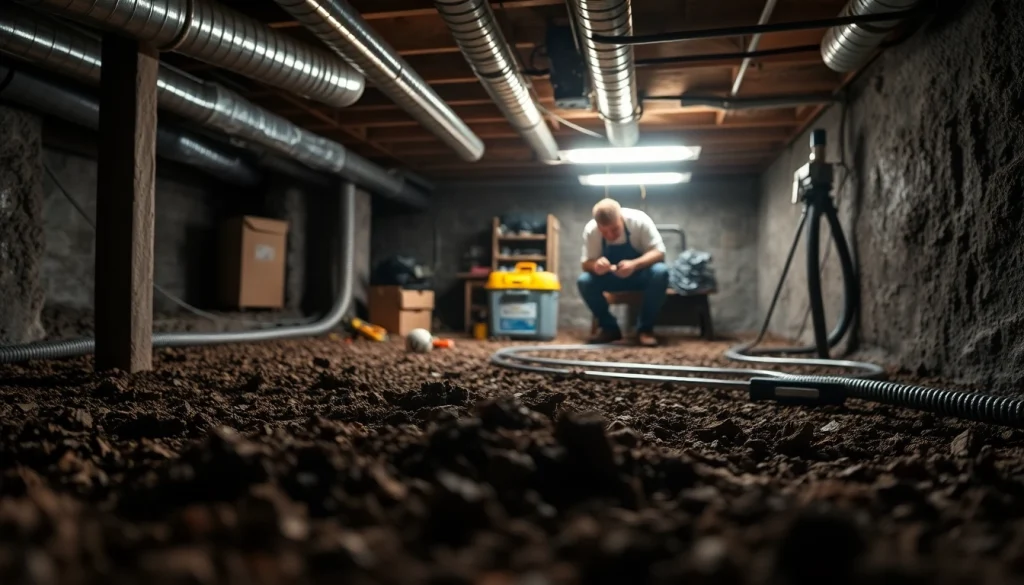
Understanding Crawl Space Restoration
Crawl Space Restoration is an essential aspect of home maintenance that focuses on repairing and improving the often-overlooked areas beneath our homes. These spaces, while not as easily accessible as other areas, significantly impact a home’s structural integrity and overall environmental quality. Whether it’s moisture issues, pest infestations, or air quality problems, professional Crawl Space Restoration techniques can address these issues effectively.
The Importance of Crawl Space Restoration
The crawl space is critical for maintaining the structural foundation of a home. Proper restoration helps ensure that these areas remain dry, clean, and free from harmful pests. Moreover, effective restoration improves indoor air quality since air from the crawl space can rise into your living spaces. By prioritizing crawl space restoration, homeowners can prevent costly repairs and maintain their home’s safety and comfort.
Common Issues Requiring Restoration
Various issues may necessitate crawl space restoration, including:
- Water Damage: Excess moisture can lead to rotting wood and mold growth.
- Pest Infestation: Rodents and insects can thrive in damp conditions, potentially causing significant damage.
- Mold Growth: A common concern in poorly ventilated crawl spaces.
- Insufficient Insulation: Without adequate insulation, energy costs can soar.
Signs Your Crawl Space Needs Attention
Identifying issues early can save you from more severe problems down the road. Look for the following signs:
- Musty odors emanating from your home.
- Visible mold or mildew.
- Excess humidity or moisture in the air.
- Structural issues like warped floors or walls.
- Unusual pest activity.
Essential Techniques for Crawl Space Restoration
Waterproofing Methods for Effective Restoration
Waterproofing is often the first step in crawl space restoration. Strategies include:
- Interior Drainage Systems: Installing a sump pump can help remove excess water.
- Vapor Barriers: Laying a thick plastic sheet over the dirt floor can minimize humidity.
- Grading: Modifying the landscape around the home can divert water away.
Insulation Options for Energy Efficiency
Proper insulation is crucial for energy efficiency, helping to keep your home at a comfortable temperature. Common options include:
- Fiberglass Batt Insulation: Cost-effective and widely used.
- Foam Board Insulation: Offers high insulation value with a thinner profile.
- Spray Foam Insulation: Provides excellent air sealing properties.
Utilizing Ventilation to Maintain Air Quality
Providing adequate ventilation in your crawl space is essential to prevent moisture buildup. Strategies include:
- Crawl Space Vents: Encourage airflow while also blocking drafts.
- Fans: Install fans to improve airflow in particularly damp areas.
- Dehumidifiers: Help control humidity levels and reduce mold growth.
Tools and Materials for Successful Restoration
Must-Have Tools for Crawl Space Restoration
Before starting restoration, having the right tools is crucial. Essential tools include:
- Moisture meters for checking humidity levels.
- Sump pumps for water removal.
- Insulation material for energy efficiency.
- Hand tools for minor repairs.
Choosing Quality Materials for Longevity
Selecting durable materials can significantly enhance the longevity of your restoration work. Prioritize:
- Water-resistant materials to combat moisture.
- Non-toxic insulation for improved air quality.
- High-grade plywood or treated lumber for structural repairs.
Using Innovative Technologies in Restoration
Modern technology can aid in crawl space restoration efforts. Innovations include:
- Moisture Sensors: Alert homeowners to water issues before they escalate.
- Smart Sump Pumps: Monitored remotely for better responsiveness.
- UV Light Technology: Helps in mold prevention and air purification.
Best Practices for Long-Term Crawl Space Care
Regular Maintenance Tips and Scheduling
Consistent upkeep is key to preventing crawl space issues. Schedule regular inspections and maintenance tasks such as:
- Cleaning air vents and dehumidifier filters.
- Checking for signs of leaks or pests.
- Monitoring moisture levels.
- Inspecting insulation for damage.
Monitoring Conditions in Your Crawl Space
Using sensors and electronic monitoring can provide real-time data for better management, such as:
- Temperature and humidity sensors for ideal conditions.
- Water level monitors to alert about potential flooding.
- A routine log to track changes over time.
Engaging Professional Services When Necessary
While DIY solutions can be effective, some crawl space issues may require professional intervention. Consider hiring specialists for:
- Comprehensive inspections.
- Moisture control solutions that are complex.
- Structural repairs beyond basic remedies.
Frequently Asked Questions About Crawl Space Restoration
What is crawl space restoration?
Crawl space restoration involves repairing and waterproofing damaged spaces to prevent moisture and mold, ensuring structural integrity.
How often should I inspect my crawl space?
You should inspect your crawl space at least once a year, or more frequently if you’ve had leaks or heavy rainfall.
What are signs of a problem in my crawl space?
Signs include dampness, mold growth, musty smells, increased pest activity, or structural issues in your home.
Can I restore my crawl space myself?
While some tasks can be DIY, it’s advisable to consult professionals for assessments and major restoration work.
What is the cost of crawl space restoration?
Costs vary based on damage extent and location, typically ranging from a few hundred to several thousand dollars.