
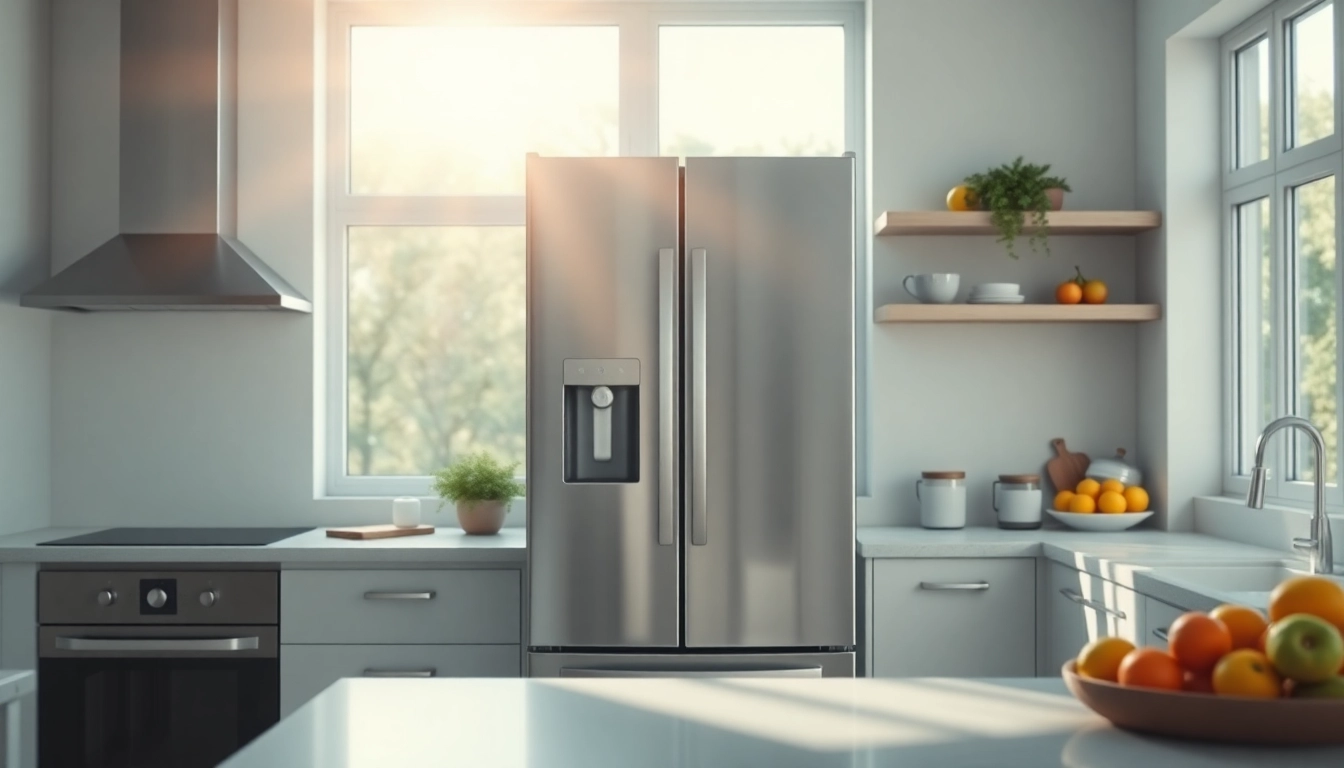
Understanding Different Types of Refrigerator
Choosing the right Refrigerator involves understanding the various types available on the market. Each type offers unique features and benefits, catering to different storage needs and kitchen designs. This section covers the primary types of refrigerators, giving you a detailed overview to help inform your purchasing decision.
Top-Freezer Refrigerator: Overview and Benefits
The top-freezer refrigerator is a classic design that features a freezer compartment on top and a refrigerator section below. This style has remained popular due to its affordability and practicality. With multiple shelves and storage options, top-freezers often provide ample space for your groceries.
One of the main advantages of top-freezer refrigerators is their ergonomic design, allowing easy access to frequently used items without bending down. Furthermore, they typically consume less energy compared to more modern designs, making them a budget-friendly choice for households looking to save on utility bills.
French-Door Refrigerator: Pros and Cons
The French-door refrigerator, characterized by its double doors and a freezer drawer at the bottom, offers a stylish and spacious design that has gained popularity in recent years. This type often features adjustable shelves, crisp drawers, and a layout that makes it easy to organize food items.
On the upside, the French-door design allows for easy access to fresh foods, minimizing bending. However, they can be more expensive and may require more space, making them less suitable for compact kitchens. Additionally, their complex design can lead to higher repair costs if something malfunctions.
Side-by-Side Refrigerator: A Detailed Look
The side-by-side refrigerator features two vertical compartments — one for the refrigerator and one for the freezer — allowing easy access to both sections. This design is particularly advantageous in narrow kitchen spaces, as the doors can be opened fully without requiring additional room in front.
This type often includes features such as water and ice dispensers, adding convenience to your kitchen routine. However, one drawback is that the freezer space can be limited compared to other styles. Items can be harder to organize due to the narrower shelves.
Key Features to Consider When Buying a Refrigerator
Selecting the right refrigerator involves more than just choosing a style. Several key features significantly affect functionality, efficiency, and user experience.
Size and Space Considerations for Your Refrigerator
When choosing a refrigerator, size is paramount. Consider the available space in your kitchen and ensure that the refrigerator can easily fit without obstructing pathways. Measure the height, width, and depth, including allowances for doors that swing open.
Additionally, consider how much space you require for food storage based on your family’s needs. A larger family might benefit from a spacious French-door model, while a single person may find a top-freezer ideal.
Energy Efficiency Ratings You Should Know
Energy efficiency is a crucial factor when purchasing a refrigerator. Look for models that have the Energy Star rating, which signifies that the appliance meets energy efficiency guidelines set by the Environmental Protection Agency. Highly efficient refrigerators can save significant amounts on electricity bills over time.
Consider the annual energy consumption stated on the product’s energy guide label. Choosing a refrigerator with lower energy consumption is not only beneficial for the environment but can lead to substantial savings in the long run.
Additional Features: Ice Makers and Smart Tech
Modern refrigerators come equipped with a range of additional features that can enhance functionality. Ice makers and water dispensers are popular options, providing easy access to chilled water and ice. However, these features do consume additional energy, so weigh their importance against energy efficiency.
Smart technology is another innovative feature that is becoming increasingly common in refrigerators. These models allow you to control settings via smartphone apps, monitor the contents inside, and receive alerts for maintenance issues, which can be especially useful for busy households.
How to Maintain Your Refrigerator for Longevity
Regular Cleaning and Maintenance Tips
A clean refrigerator not only looks better but also runs more efficiently. Regularly remove expired food and clean spills to prevent odors. Additionally, clean the condenser coils found at the back or bottom of your refrigerator every six months to ensure efficient cooling.
Check the door seals for any leaks, as worn-out seals can lead to energy loss. You can conduct a simple test by placing a piece of paper in the seal and shutting the door; if the paper easily pulls out, it might be time to replace the seals.
Common Problems and Troubleshooting Your Refrigerator
Understanding common refrigerator problems can save you from costly repairs. If your refrigerator is not cooling effectively, check the temperature settings and make sure vents aren’t blocked. If it’s making unusual noises, inspect the condenser fan and evaporator fan for any obstructions.
Another common issue is the buildup of frost in the freezer. This can occur due to a malfunctioning defrost heater or a problem with the defrost timer. In such cases, checking the manual for troubleshooting steps can be helpful.
When to Call a Professional for Repairs
Although many minor issues can be resolved at home, it’s essential to know when to call a professional. If you encounter consistent leaks, hear strange noises, or the unit fails to cool despite you troubleshooting, it’s best to seek professional assistance.
Professional technicians can diagnose hidden issues that may not be apparent and handle repairs safely. Investing in professional help can save you significant costs from prolonged service interruptions.
Eco-Friendly Refrigerators: What to Look For
Choosing an eco-friendly refrigerator isn’t just good for the environment; it can save you money on energy bills too. This section highlights the features you should prioritize when considering eco-friendly options.
Energy Star Ratings and Environmental Impact
The Energy Star rating is a quick way to identify refrigerators that meet strict energy efficiency guidelines. Refrigerators with this rating consume significantly less energy than standard models, which can also translate into lower greenhouse gas emissions.
When shopping for a new refrigerator, select models manufactured with environmentally friendly processes and materials. Manufacturers that focus on sustainability often produce more efficient units with less environmental impact.
Choosing a More Sustainable Refrigerator
In addition to energy efficiency, consider the materials used in the refrigeration process. Look for units featuring eco-friendly refrigerants, which do not contain harmful substances that deplete the ozone layer. Paying attention to the supply chain can also lead to more sustainable choices.
Also, consider the longevity of a refrigerator’s parts. High-quality models may cost more upfront but typically last longer, reducing the need for replacements and thus generating less waste.
Recycling and Disposal Tips for Old Refrigerators
When investing in a new refrigerator, consider how to responsibly dispose of the old unit. Check with local waste management facilities for proper recycling guidelines. Many areas offer pickup services for old appliances.
Remove all perishable items and ensure you follow safety regulations regarding hazardous materials like refrigerants. Taking the necessary steps in the recycling process helps minimize environmental harm and promotes sustainability.
FAQs About Refrigerators
What size Refrigerator is right for my kitchen?
The right size depends on your kitchen space and storage needs. Measure your kitchen area and consider your family’s size to select an appropriately sized refrigerator.
How often should I clean my Refrigerator?
It’s advisable to clean your refrigerator every 3-6 months, including wiping down surfaces and checking for expired items to maintain hygiene and efficiency.
What features should I prioritize in a Refrigerator?
Prioritize energy efficiency, size, storage options, and any additional features like ice makers or smart technology based on your lifestyle and needs.
How can I improve the energy efficiency of my Refrigerator?
Keep the condenser coils clean, ensure door seals are intact, avoid overloading, and maintain the ideal temperature setting between 35°F and 38°F.
What are the signs that my Refrigerator needs repair?
Signs include inconsistent cooling, unusual noises, interior lights not working, or excessive frost buildup. If you notice these, it’s time for a checkup.