
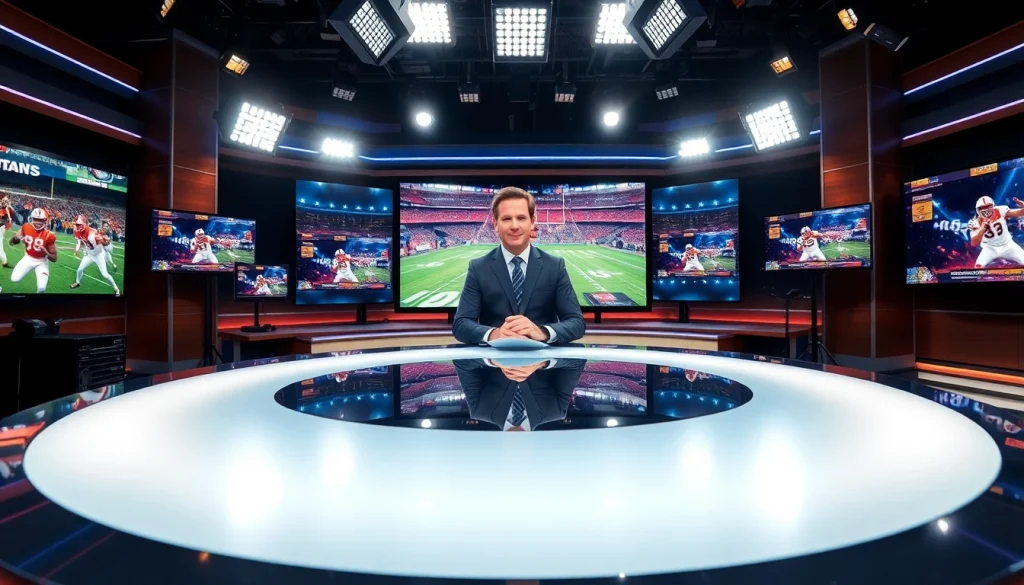
Introduction to Sports Broadcasting
Understanding the Basics of Sports Broadcasting
Sports broadcasting encompasses the transmission of sporting events to audiences via radio, television, and digital platforms. It’s a multifaceted domain involving precise coordination, creative storytelling, and technical expertise. Central to its function is the delivery of engaging content that not only entertains but also informs. The significance of Sports Broadcasting is evident in its ability to bring fans closer to their favorite teams, fostering a deeper connection through real-time updates and highlights.
The Evolution of Sports Broadcasting Techniques
Sports broadcasting has transformed significantly since its inception in the early 20th century. Initially limited to radio broadcasts, the industry expanded with the advent of television in the 1950s, revolutionizing how audiences consumed sports. The introduction of high-definition and 4K broadcasts enhanced the visual experience, while internet streaming opened new doors for accessibility, allowing fans to watch events on various devices. This evolution reflects not just technological advancements but also changing viewer preferences and viewing habits.
Key Roles in Sports Broadcasting Teams
Successful sports broadcasting teams consist of various professionals, each playing a crucial role in the production process. Key roles include:
- Commentators: Provide live play-by-play commentary and analysis to enhance the viewing experience.
- Producers: Oversee the entire broadcast, coordinating all aspects to ensure a smooth operation.
- Camera Operators: Capture live footage, utilizing multiple cameras to provide comprehensive coverage.
- Sound Engineers: Ensure optimal audio quality for commentary and audience engagement.
- Graphics Producers: Create visual elements, including scoreboards and statistics that enrich the viewing experience.
Technical Aspects of Sports Broadcasting
Equipment and Technology Used in Sports Broadcasting
The technical foundation of sports broadcasting relies heavily on advanced equipment and technology. Essential gear includes high-definition cameras, broadcasting trucks, and audio equipment. Broadcasting trucks are mobile units equipped with cutting-edge technology that facilitates live event coverage from remote locations. Additionally, the advancement of cloud-based solutions allows for effective collaboration among teams, simplifying the production process and enhancing the overall quality of broadcasts.
Audio and Visual Quality in Sports Broadcasting
Maintaining high audio and visual quality is paramount in engaging viewers. Innovations such as surround sound technology and multiple camera angles create an immersive experience. Moreover, advances in video transmission technology have improved reliability and clarity, reducing latency in live broadcasts while ensuring fans enjoy uninterrupted viewing. The use of enhanced graphics, including augmented reality, provides viewers with enriched storytelling and real-time statistics that amplify engagement.
Live Streaming Innovations in Sports Broadcasting
Live streaming has become central to sports broadcasting, allowing fans to access games on platforms like smartphones, tablets, and laptops. Services such as OTT (Over-The-Top) platforms provide flexibility, enabling viewers to watch games on-demand. Innovations such as interactive features, where fans can vote or participate in live polls, have also emerged, enhancing engagement and making the viewing experience more dynamic. Additionally, 5G technology promises to further elevate live streaming capabilities, bringing unprecedented speeds and reliability to broadcasts.
Content Creation in Sports Broadcasting
Writing Engaging Scripts for Sports Broadcasting
Crafting compelling scripts is a crucial element of sports broadcasting. Scripts should be structured to facilitate smooth transitions between segments, incorporating key statistics and narratives to engage viewers. Clarity is vital; broadcasters need to convey information quickly and succinctly while maintaining an entertaining cadence. Additionally, integrating humor and personality can create a connection with the audience, making the broadcast feel more personal and inviting.
Incorporating Visual Storytelling in Sports Broadcasting
Visual storytelling plays an essential role in sports broadcasting, helping to convey emotions, drama, and pivotal moments in a game. Techniques such as slow-motion replays, player profiles, and behind-the-scenes footage help to enrich narratives. A good director will ensure that the visuals continuously complement the commentary, creating a more engaging experience for viewers. Additionally, using infographics to present data adds a layer of context and keeps the audience invested in the game’s storyline.
Interview Techniques for Sports Broadcasting
Conducting effective interviews is an art form in sports broadcasting. Interviewers must create a relaxed atmosphere, encouraging genuine conversation from athletes and coaches. Preparation is key; interviewers should research their subjects thoroughly to ask insightful questions that lead to engaging answers. Utilizing open-ended questions allows for more in-depth responses and helps the audience connect with the interviewee on a personal level, ultimately enhancing the broadcast’s quality.
Audience Engagement Strategies in Sports Broadcasting
Analyzing Audience Preferences in Sports Broadcasting
Understanding audience preferences is critical for successful sports broadcasting. Analyzing viewership data helps broadcasters identify trends, such as favored teams, types of content, and optimal viewing times. Surveys and feedback can be used to gauge audience reactions, adjust programming, and provide content that resonates with viewer interests. As audience demographics evolve, broadcasters must adapt their approach to meet changing preferences, ensuring they remain relevant and engaging.
Leveraging Social Media for Sports Broadcasting
Social media platforms have become vital in promoting sports broadcasts and engaging audiences. Broadcasters can use channels like Twitter, Instagram, and Facebook to share highlights, behind-the-scenes content, and connect with fans. Engaging in real-time conversations during games can also enhance viewer connection, encouraging them to share their thoughts and reactions. Such strategies allow broadcasters to create community around their content, increasing loyalty and engagement through dynamic interactions.
Feedback and Interaction in Sports Broadcasting
Encouraging audience feedback plays a significant role in refining sport broadcasts. Interactive elements such as polls, Q&A sessions, and live chats can be integrated into broadcasts, allowing fans to share their opinions and experiences in real-time. Such engagement fosters community and can also provide critical data for broadcasters to improve their offerings and strategies. Monitoring social media sentiment and viewer ratings can further inform broadcasters about what resonates with their audience, allowing continuous improvement.
Measuring Success in Sports Broadcasting
Key Performance Indicators in Sports Broadcasting
To evaluate the success of sports broadcasts, key performance indicators (KPIs) need to be established. Metrics such as viewership numbers, engagement rates, and audience retention provide insights into how well content is received. Furthermore, analyzing the reach and performance of social media posts related to broadcasts helps gauge audience interest. Identifying high-performing segments allows producers to focus on what works and refine content strategy over time.
Using Analytics for Improvement in Sports Broadcasting
Utilizing analytics tools can significantly improve sports broadcasting outcomes. By tracking viewer behavior and engagement levels, broadcasters can ascertain what types of content resonate best with their audience. Data-driven decision-making allows for more strategic programming, potentially increasing viewer satisfaction and loyalty. Employing A/B testing on different segments can also help identify successful elements, further enhancing the quality of broadcasts.
Future Trends in Sports Broadcasting Metrics
The future of metrics in sports broadcasting is set to evolve with advancements in technology. Predictive analytics will allow broadcasters to anticipate viewer preferences and customize programming accordingly. Moreover, the integration of artificial intelligence can help automate aspects of analysis, making it easier to derive insights from large datasets. As the sports broadcasting landscape continues to shift, embracing these technologies will be crucial for remaining competitive and relevant in meeting audience needs.
Frequently Asked Questions
What is sports broadcasting?
Sports broadcasting is the communication of live sports events via television, radio, or digital platforms, aimed at engaging fans through commentary and analysis.
What technology is used in sports broadcasting?
Key technologies include HD cameras, broadcasting trucks, audio equipment, and cloud-based solutions, all of which facilitate high-quality production and delivery.
How do broadcasters engage with audiences?
By analyzing viewer preferences, leveraging social media, and encouraging real-time feedback, broadcasters can enhance audience interaction and satisfaction.
What metrics are essential for measuring broadcasting success?
Essential metrics include viewership numbers, engagement rates, audience retention, and performance analytics from social media interactions.
What trends are shaping the future of sports broadcasting?
Future trends include the use of predictive analytics, AI integration for automated insights, and continuous enhancements in live streaming technology to improve viewer experience.