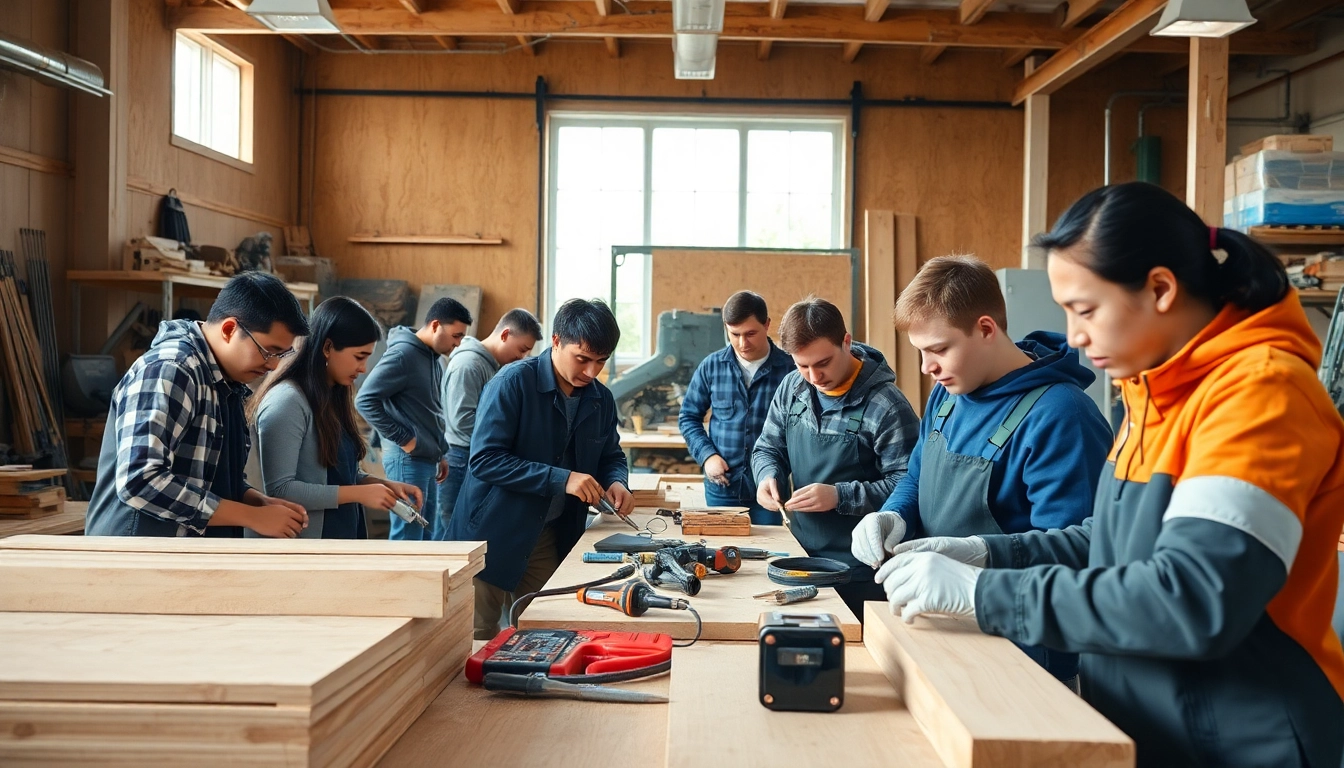

Understanding Construction Classes
What Are Construction Classes?
Construction classes are structured educational programs designed to equip individuals with the knowledge and skills required in the construction industry. They cover various aspects of construction, from fundamental principles to advanced techniques, catering to a wide range of learners, including novices, aspiring tradespeople, and seasoned professionals looking to enhance their expertise. Construction classes come in various formats, including online courses, workshops, and hands-on training, providing flexibility to accommodate different learning preferences and schedules.
Types of Construction Classes Available
Construction classes can be categorized into several types, each focusing on distinct areas of the field:
- Basic Construction Skills: These classes introduce the foundational skills necessary for entering the construction workforce, covering topics like blueprint reading, basic tool usage, and material selection.
- Trade-Specific Classes: More advanced classes focus on particular trades, such as carpentry, plumbing, electrical work, and masonry. They often include specialized training in techniques and tools pertinent to each trade.
- Sustainability and Green Building: As environmental concerns grow, many courses now focus on sustainable construction practices, including energy efficiency, material recycling, and eco-friendly building techniques.
- Project Management: These classes teach students how to oversee construction projects, covering topics like budgeting, scheduling, and team management.
- Safety Training: Given the inherent risks in construction, safety classes are crucial. They focus on OSHA regulations, personal protective equipment (PPE), and emergency preparedness.
How Construction Classes Benefit Your Career
Enrolling in construction classes offers significant benefits, including enhanced job prospects, higher earning potential, and career advancement opportunities. By gaining specialized knowledge and skills, individuals can stand out in a competitive job market. Professional development through these classes also leads to certifications and licenses that validate expertise, making candidates more attractive to employers.
Key Skills Learned in Construction Classes
Technical Skills for Building Projects
Technical skills are at the core of any construction class. Participants gain hands-on experience with tools, equipment, and techniques used in real-world projects. Skills such as framing, roofing, and electrical installation are common focuses, allowing students to build tangible expertise. These competencies are critical not only for completing tasks but also for ensuring high-quality results that meet industry standards.
Safety Protocols and Best Practices
Safety is paramount in construction. Classes emphasize the importance of adhering to safety protocols and understanding the risks associated with construction activities. Students learn to identify hazards, use PPE correctly, and implement safety measures to protect themselves and their coworkers. This knowledge not only promotes a safe working environment but also minimizes the risk of accidents and injuries.
Project Management Essentials
Effective project management skills are indispensable in construction. Students learn how to plan, execute, and close construction projects successfully. Key topics include resource allocation, timeline development, and quality management. Understanding these essentials equips individuals to take on supervisory roles, where they can lead teams and manage complex projects efficiently.
Choosing the Right Construction Classes
Assessing Your Learning Goals
Before enrolling in construction classes, it is critical to evaluate your personal learning goals. Are you looking to start a new career, advance within your current role, or acquire specific skills for a project? By defining your objectives, you can select classes that align closely with your aspirations, ensuring that the education you receive is relevant and impactful.
Provider Reputation and Course Quality
The reputation of the class provider plays a significant role in the quality of education you will receive. Research reviews and testimonials from former students to gauge the effectiveness of the programs on offer. Accreditation and partnerships with industry leaders can also indicate a provider’s reliability and the potential value of their certificates in the job market.
Cost Considerations and Financial Aid
Expenses associated with construction classes can vary widely. It’s essential to consider tuition fees, materials, and any additional costs that may arise. Explore options for financial aid, scholarships, or payment plans offered by institutions to facilitate your education without imposing a heavy financial burden.
Hands-On Experience in Construction Classes
Importance of Practical Learning
One of the most significant advantages of construction classes is the emphasis on practical learning. Hands-on experience is invaluable in the construction industry, allowing students to apply theoretical knowledge to real-life situations. Participating in lab sessions, simulations, or on-site learning enhances understanding and builds confidence, ensuring students are workforce-ready.
Tips for Maximizing Hands-On Training
While engaging in hands-on learning, students can maximize their experience by actively participating and seeking feedback from instructors. Asking questions and collaborating with peers can provide deeper insights. Additionally, dedicating time outside of class to practice skills learned can solidify understanding and proficiency.
Building a Portfolio During Classes
As students progress through construction classes, it is beneficial to document their projects and skills to create a portfolio. This portfolio can showcase completed work, designs, and technical skills to potential employers. A well-organized portfolio not only demonstrates hands-on ability but also reflects commitment and professionalism in the construction field.
Future Trends in Construction Education
Innovation in Construction Techniques
The construction industry is evolving rapidly, and educational programs must keep pace. Emerging trends include using advanced materials, sustainable building practices, and innovative construction methods such as modular construction. Staying abreast of these innovations can give students a competitive edge in their careers, as employers increasingly seek individuals who can adapt and implement new technologies.
Adopting Technology in Construction Classes
As technology permeates the construction sector, incorporating digital tools into educational courses is essential. Classes may include training on software for project management, Building Information Modeling (BIM), and design applications. By familiarizing students with these tools, educational programs prepare them for modern challenges in construction.
Networking and Career Opportunities
Construction classes often provide valuable networking opportunities. Establishing connections with instructors, industry professionals, and fellow students can lead to internships and job placements. Students should take advantage of these connections by attending networking events and joining professional organizations to broaden their career prospects and stay informed about industry trends.
Frequently Asked Questions
1. What are construction classes?
Construction classes are educational programs designed to teach skills and knowledge relevant to the construction industry, covering various topics from foundational skills to advanced trade techniques.
2. How do I choose the right construction class?
To choose the right class, assess your learning goals, research provider reputation, and consider costs and financial aid options to find the best fit for your needs.
3. What skills can I expect to learn?
Students can expect to learn technical skills, safety protocols, and project management essentials, all critical for successful careers in construction.
4. Why is hands-on training important?
Hands-on training is essential as it provides practical experience, allowing students to apply theoretical knowledge in real-world situations, enhancing confidence and competence.
5. What future trends should I be aware of in construction education?
Future trends include innovations in materials and construction techniques, the increased use of technology in education, and the importance of networking for career development.