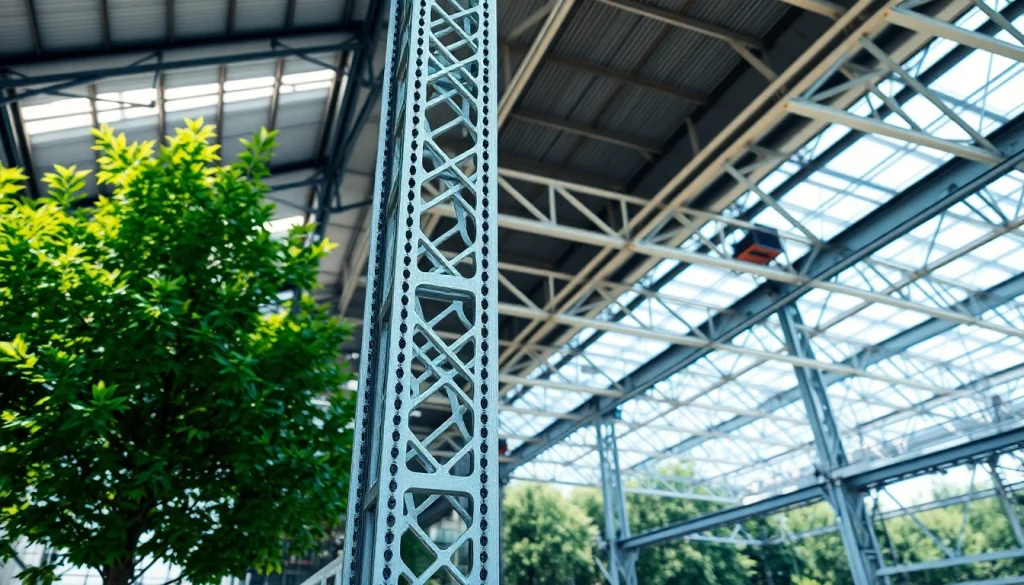
Understanding Steel Structure Design Basics
1. What is Steel Structure Design?
Steel structure design involves the creation and engineering of buildings and other structures that use steel as a primary material. This discipline combines architectural creativity with engineering principles to ensure safety, functionality, and aesthetics. Typically, steel structures include components like beams, columns, and trusses, which work together to create resilient frameworks that can withstand various loads and environmental factors. The integration of advanced software tools and design methodologies has transformed how engineers approach steel structure design, enabling them to optimize designs for efficiency and performance.
2. Key Principles of Steel Design
At the core of steel structure design are several key principles that guide engineers in their projects. These principles include:
- Load Types: Understanding dead loads (permanent/static) and live loads (temporary/dynamic) is crucial for designing safe structures.
- Material Properties: Knowledge of steel’s properties, such as tensile strength, yield strength, ductility, and corrosion resistance, is essential in selecting appropriate steel grades for each application.
- Sustainability: Modern steel design must consider sustainability, ensuring that structures have minimal environmental impacts through efficient use of resources and energy.
- Safety Factors: Incorporating safety factors into designs is critical to accommodate unforeseen loads or stressors, allowing for a margin of safety to protect the integrity of the structure.
3. Common Applications and Case Studies
Steel structures are widely used in various sectors, including:
- Commercial Buildings: Many high-rise office buildings utilize steel frames due to their ability to support large spans and high loads while maintaining aesthetic appeal.
- Industrial Facilities: Warehouses and factories benefit from steel’s structural efficiency, allowing vast open spaces without compromising stability.
- Bridges: Steel bridges are known for their strength and flexibility, often employing sophisticated designs to navigate environmental challenges.
One notable case is the Burj Khalifa in Dubai, which utilizes a buttressed core surrounded by steel reinforcements. This innovative design allows the structure to reach heights previously unachievable while providing stability in high wind conditions.
Benefits of Steel Structures
1. Strength and Durability Factors
One of the primary advantages of steel structures is their remarkable strength-to-weight ratio. Steel can support significant loads while being lightweight compared to traditional materials like concrete. This characteristic enables engineers to design taller and more slender buildings. The durability of steel also contributes to longevity, often exceeding 50 years when properly maintained, and it can withstand harsh environmental conditions, including high winds and seismic activities.
2. Aesthetic Versatility in Modern Architecture
Steel’s malleability presents endless possibilities for architectural innovation. Designers can create intricate shapes and expansive spaces that would be difficult with other materials. The industrial aesthetic of exposed steel beams and columns has become a popular design element in modern architecture, exemplified by structures such as the Eiffel Tower and the Sydney Opera House, both of which showcase the beauty of steel alongside its functionality.
3. Cost-Effectiveness Over Time
While the initial cost of steel may be higher than some other materials, its long-term benefits often outweigh these expenses. The durability and low maintenance needs of steel structures can lead to significant cost savings over a lifespan. Additionally, the speed of construction associated with steel components allows projects to meet tight deadlines, further minimizing labor costs. Research indicates that modular steel construction techniques can reduce project timelines by up to 50%, making steel an attractive option for rapid development.
Best Practices in Steel Structure Design
1. Selecting Appropriate Materials
Choosing the right type of steel is pivotal in achieving optimal performance. Considerations include the environment (coastal, industrial), the expected load (dynamic/static), and the required yield strength. Various grades of steel, such as A992 for structural steel shapes and A572 for plates, provide different characteristics tailored to specific applications.
2. Designing for Sustainability
As sustainability becomes increasingly important in construction, steel provides an ideal solution. Steel is one of the most recycled materials globally, with up to 90% of structural steel being reused or recycled. Designers are encouraged to implement practices that enhance energy efficiency and minimize waste, such as utilizing software tools for efficient fabrication processes and optimizing designs to reduce unnecessary materials.
3. Adhering to Safety Standards
Compliance with local and international safety standards is imperative when designing steel structures. Guidelines provided by organizations like the American Institute of Steel Construction (AISC) and International Building Code (IBC) help ensure that all aspects of structural integrity, load capacity, and environmental factors are met. Regular audits and inspections during construction and after completion further uphold safety and performance standards.
Challenges in Steel Structure Design
1. Environmental Considerations
Despite its advantages, steel structure design faces environmental challenges, particularly concerning sustainability and ecological impact. The production of steel is energy-intensive and contributes to greenhouse gas emissions. Therefore, architects and engineers must prioritize designs that offset these impacts, such as selecting recycled steel and employing energy-efficient manufacturing processes.
2. Structural Integrity Issues
Maintaining structural integrity is paramount within steel structure design. Factors such as fatigue, buckling, and dynamic loading can compromise safety if not accounted for. Engineers must employ thorough analysis techniques, including finite element analysis (FEA), to simulate stresses and identify potential failure points during the design phase.
3. Mitigating Corrosion Risks
Corrosion poses a significant risk to steel structures, particularly those exposed to moisture and chemicals. Protective coatings, galvanization, and rust-inhibiting treatments are essential for mitigating corrosion risks. Additionally, the design should promote water runoff and minimize pooling to further reduce exposure to corrosion-related damage.
Future Trends in Steel Structure Design
1. Innovations in Engineering Techniques
The future of steel structure design is set to be influenced by innovative engineering techniques such as 3D printing, Artificial Intelligence (AI), and Building Information Modeling (BIM). These advancements enable more complex designs, streamline workflows, and improve project coordination, ultimately resulting in safer and more efficient structures.
2. Integration of Smart Technologies
The integration of smart technologies into steel structure design allows for enhanced monitoring and maintenance. Sensors embedded within the structure can provide real-time data on stress, temperature, and load, enabling proactive maintenance and long-term durability assessments. This trend aligns with the rise of smart cities and intelligent infrastructure, where data plays a crucial role in urban planning and management.
3. Evolving Aesthetic Values in Construction
As architectural trends evolve, there’s a growing demand for designs that emphasize sustainability and creativity. The aesthetics of steel structures will increasingly incorporate organic shapes, mixed materials, and visible structural elements to create visually appealing and functional spaces. The fusion of art and engineering is becoming a hallmark of 21st-century architecture, showcasing steel not just as a utility but as a pivotal design feature.