Understanding Emergency Blankets
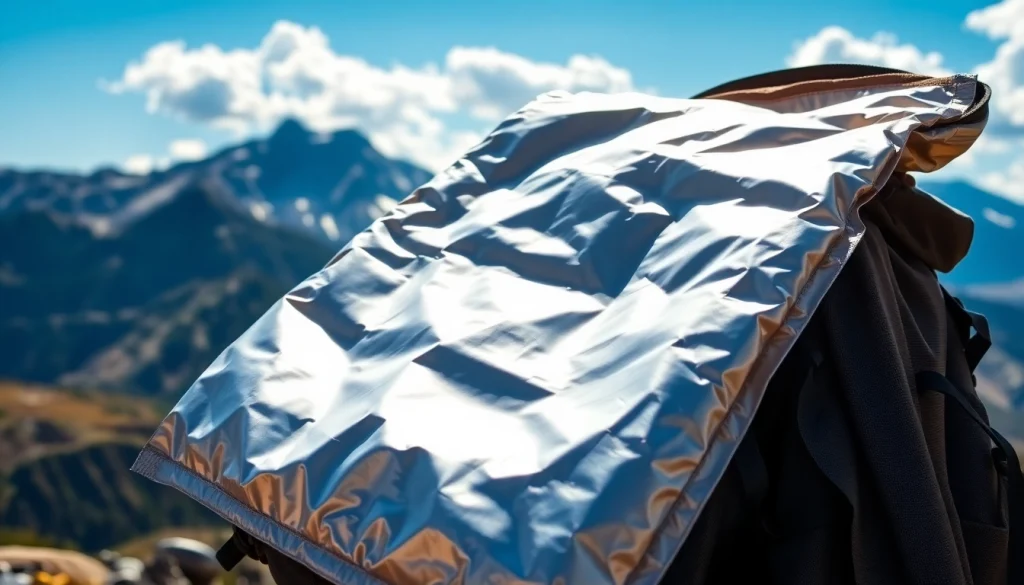
Emergency blankets, also known as space blankets, are vital survival tools designed to help retain body heat in critical situations. Made from a thin plastic sheet coated with a metallic layer, these blankets can reflect up to 90% of radiated body heat back to the user, making them an essential item for hikers, campers, and outdoor emergency kits. Their lightweight and compact nature make them easy to carry, ensuring that anyone can prepare for unexpected weather changes while engaging in outdoor activities. To fully appreciate the importance of emergency blankets, it’s crucial to delve into what they are, the various types available, and their key benefits.
What is an Emergency Blanket?
An emergency blanket is a lightweight, compact blanket that serves both as a thermal insulator and a protective cover in emergency situations. Once primarily developed for astronauts by NASA, these blankets have since found widespread use in outdoor activities, sports, first aid, and disaster preparedness. Their reflective surface enables them to act as a heat-retaining medium, crucial during cold weather, while also being used as a shelter or signaling device during emergencies. The versatility of emergency blankets is one reason they have become a staple item in many survival kits.
Types of Emergency Blankets
Emergency blankets come in various types based on material, design, and intended use. The most common types include:
- Mylar Blankets: Made from a polyester film, these are commonly used due to their effective thermal retention and lightweight properties.
- Rescue Blankets: Specifically designed for use by rescue services, they may have additional features like reinforced corners or grommets for anchoring.
- Survival Blankets: Often combined with other survival tools such as whistles or waterproof bags, these blankets serve more extensive emergency preparedness purposes.
- Ground Cover Blankets: Used by campers and hikers, these provide insulation from the ground and can double as a lightweight tent barrier.
Key Benefits of Using an Emergency Blanket
The benefits of emergency blankets are numerous, making them essential tools for both leisure and survival situations. Some of the primary advantages include:
- Lightweight and Compact: Emergency blankets can be folded into a small size, making them easy to carry in backpacks or emergency kits.
- Cost-Effective: Generally inexpensive, these blankets provide high-value protection in emergencies without breaking the bank.
- Multi-Purpose Functionality: Besides warmth, emergency blankets can be used for signaling, ground cover, or even as a makeshift shelter.
- Durability: Made from resistant materials, they generally withstand wear and tear even in harsh outdoor conditions.
Essential Features of High-Quality Emergency Blankets
Material and Durability Considerations
The effectiveness of an emergency blanket is often determined by the materials used in its construction. High-quality emergency blankets tend to be made from durable, tear-resistant materials such as Mylar, which not only provides exceptional insulation but also ensures that the blanket can endure various environmental conditions without failure. When selecting an emergency blanket, it is essential to consider the material’s durability in addition to its insulation capabilities, ensuring that the blanket will remain functional even after extended use or in rough terrain.
Size and Coverage Options
Emergency blankets are available in various sizes, catering to different user needs. Standard sizes typically measure around 52 inches by 82 inches, adequate for individuals or small groups. However, larger versions may be available for families or multi-person use, providing extra coverage during emergencies. When choosing a size, it’s important to ensure it suits both the number of users and the intended application, whether for personal use, group coverage, or as part of a comprehensive emergency preparedness kit.
Thermal Properties and Insulation
Thermal properties are one of the most critical aspects of emergency blankets. They are designed to retain a significant percentage of body heat, making them invaluable in cold situations. The ability of a blanket to efficiently reflect heat is measured through its thermal insulation properties, commonly expressed by its R-value. High-quality emergency blankets may have higher R-values, indicating superior insulation capabilities. When selecting an emergency blanket, consider its thermal efficacy, especially if it will be used in extreme temperature conditions.
Practical Uses of Emergency Blankets
Outdoor Activities and Preparedness
Emergency blankets have become quintessential gear for outdoor enthusiasts, offering a practical solution for unforeseen circumstances. Whether hiking, camping, or engaging in sports, an emergency blanket provides warmth and comfort during unexpected temperature drops or wet weather. Additionally, they can serve as a ground cover during breaks, ensuring that moisture from the ground does not compromise the user’s warmth. Many outdoor survival guides recommend keeping an emergency blanket within easy access to respond quickly to sudden weather changes.
First Aid Applications and Medical Situations
In medical emergencies, maintaining body temperature is crucial to prevent conditions such as hypothermia. Emergency blankets are commonly utilized in first aid scenarios, particularly when a victim is in shock or has been exposed to cold temperatures for extended periods. By wrapping the affected individual in a thermal blanket, caregivers can help stabilize body temperature while waiting for professional medical assistance. Their compact size makes them easy to transport, making them a vital addition to any first aid kit.
Everyday Usage for Comfort and Emergency Readiness
Beyond outdoor adventures and emergency situations, emergency blankets can be used in everyday life. They offer additional warmth while watching outdoor sports, picnicking, or even lounging on chilly beach days. Keeping an emergency blanket in the car can also provide peace of mind during long winter trips, ensuring that passengers are equipped to handle unexpected roadside emergencies. Their versatility and functionality make them a valuable asset in various scenarios, and they should be a part of a well-rounded emergency readiness plan.
How to Properly Use an Emergency Blanket
Step-by-Step Guide to Staying Warm
Knowing how to effectively use an emergency blanket can significantly increase its effectiveness in retaining heat:
- Set Up Your Space: Find a sheltered spot away from wind or precipitation, if possible. Lay the blanket flat.
- Positioning: If using as a sleeping bag, lay on the blanket and wrap it around your body, ensuring that there are no gaping holes.
- Cover Head and Extremities: Use any excess material to cover your head and feet, as these areas are significant heat loss points.
- Stay Dry: Ensure your clothes are dry before wrapping in the blanket, or use additional insulation beneath if possible.
- Monitor Temperature: Keep track of your body temperature. If you feel excessively cold or hot, adjust your positioning or remove layers as necessary.
Using as a Signal or Reflective Surface
Emergency blankets can also serve as essential signaling devices in survival situations. Their reflective surface can catch the attention of rescuers from afar. To maximize visibility, unfold the blanket and display it in an open area, ensuring it faces the direction where rescue could be expected. It can also be used to create sound when made to flap against an object, generating attention through audible signals. Additionally, by placing it horizontally in sunlight, you can use it to direct sunlight towards potential rescuers.
Safety Tips for Maximizing Effectiveness
To ensure the maximum effectiveness of an emergency blanket, users should consider several safety tips:
- Avoid Direct Contact with Skin: In extreme temperatures, wearing the blanket over clothing helps trap more heat.
- Reduce Wind Exposure: Create a windbreak with natural materials to enhance retention of warmth.
- Secure Loose Edges: Utilize rocks or other weights to hold down corners of the blanket in windy conditions.
Choosing the Right Emergency Blanket for Your Needs
Comparing Brands and Specifications
When selecting an emergency blanket, it’s vital to compare various brands and specifications. Different manufacturers may use varying materials, design philosophies, and functionalities. Researching the brands known for quality production ensures the blanket you choose meets or exceeds expectations for durability and insulation. Checking product certifications and customer ratings can also provide insights into a blanket’s performance in real-world scenarios.
Price Considerations vs. Quality
While price is an important factor when selecting an emergency blanket, it should not be the sole consideration. Often, more expensive blankets will feature superior materials or designs that enhance their functionality and longevity. Conversely, inexpensive blankets may perform adequately but may not withstand harsh conditions over time. Striking a balance between reasonable pricing and high-quality materials is essential to ensure you’re making a sound investment in your safety and comfort.
Customer Reviews and Feedback
Reading customer reviews gives potential buyers invaluable insights into an emergency blanket’s performance under various conditions. Pay attention to feedback regarding material quality, thermal retention, and real-world use cases. Additionally, reviews covering portability and ease of use should weigh heavily in the decision-making process. Engaging in forums or outdoor enthusiast communities may also shed light on recommendations and less-known but effective emergency blanket options.