The Basics of Custom Steel Fabrication
Understanding Custom Steel Fabrication
Custom steel fabrication is a specialized process tailored to create steel structures and components that meet unique specifications. Unlike mass-produced items, custom steel fabrication allows for flexibility in design and construction, adapting to the specific needs of industries ranging from construction to manufacturing. This process typically involves designing, cutting, bending, welding, and assembling steel into final products that can be anything from structural beams to intricate machinery parts.
Common Applications of Custom Steel Fabrication
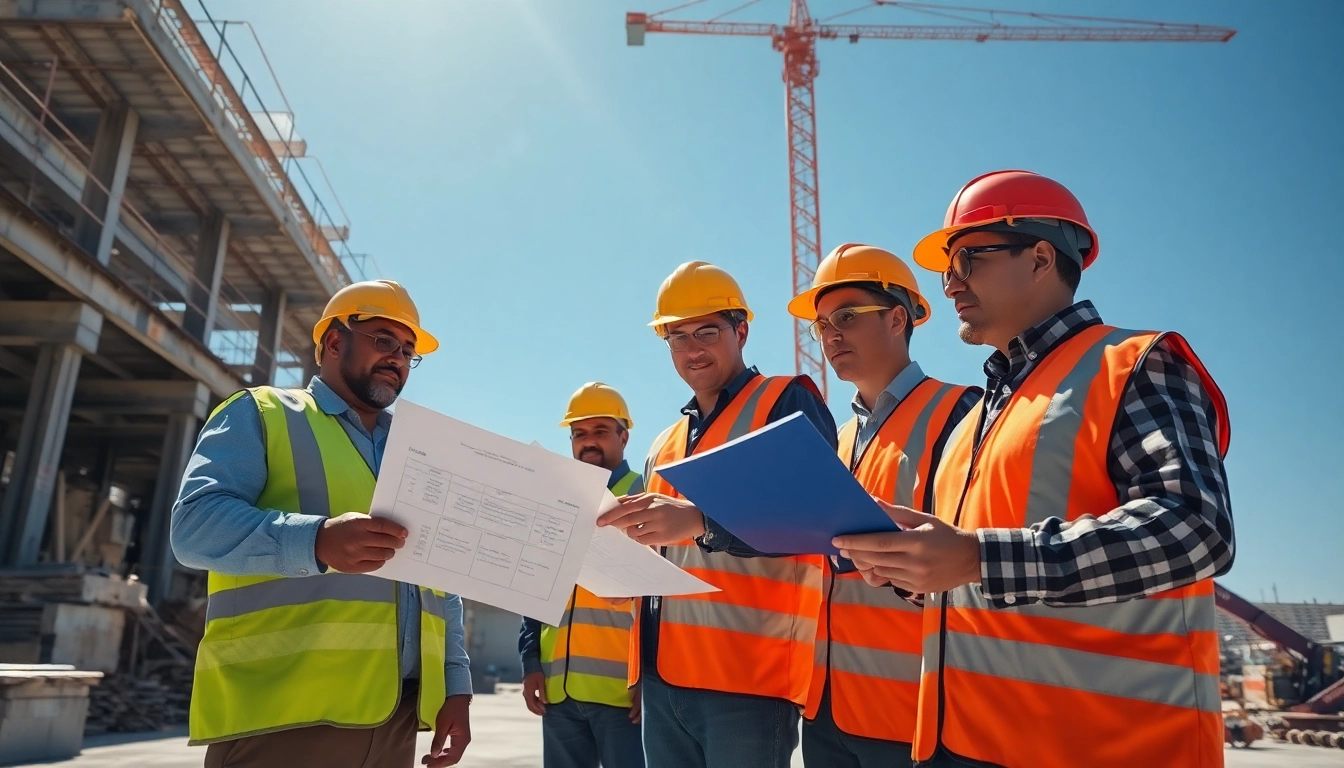
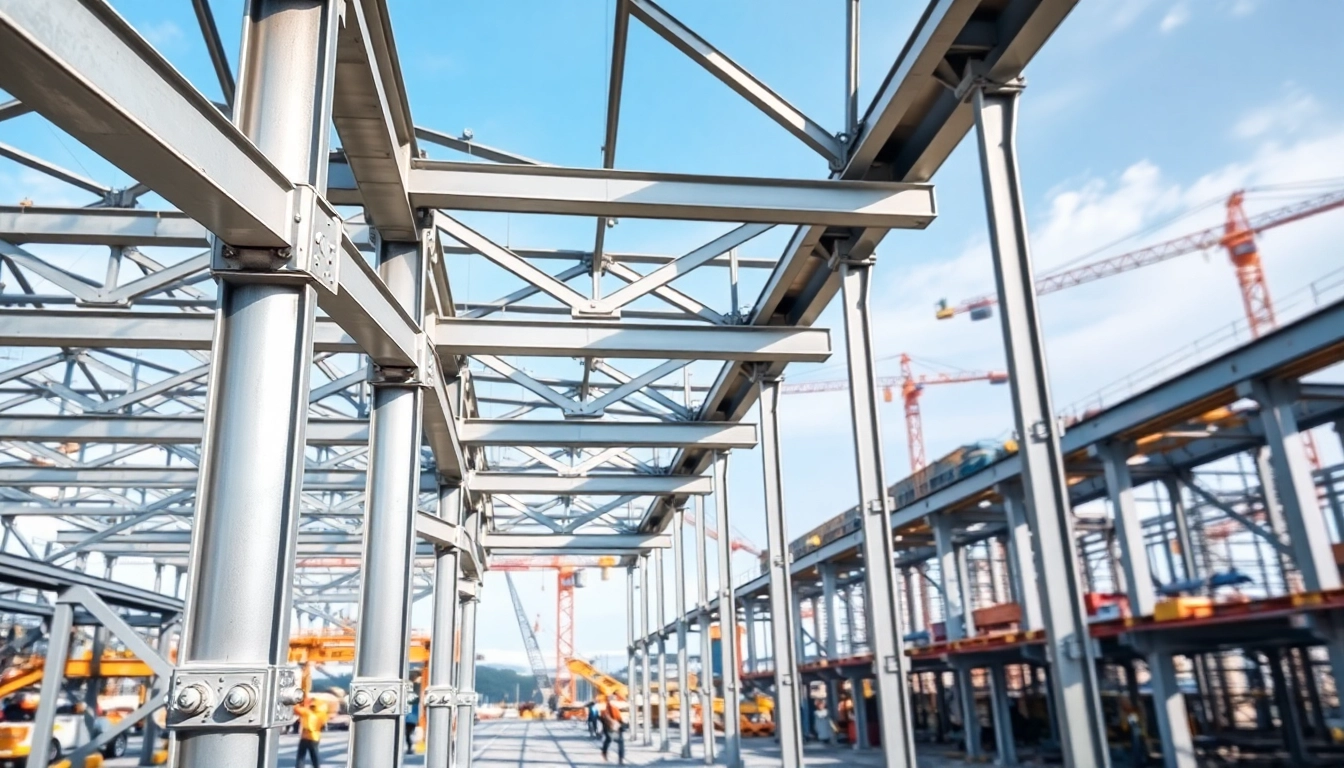
Custom steel fabrication has a wide array of applications. In the construction industry, it’s used for building frames, staircases, and architectural features. The manufacturing sector often relies on custom steel parts for machinery, engines, and tools. Additionally, the energy sector utilizes custom fabrication for pipelines and supports, while the automotive industry incorporates tailored steel components in vehicle production. Each application underscores the importance of precision and quality in fabrication work.
Key Materials Used in Custom Steel Fabrication
The primary material used in custom steel fabrication is, of course, steel itself. Different types of steel are exploited depending on the desired properties of the final product. Carbon steel is favored for its strength and versatility, while stainless steel is preferable in environments where corrosion resistance is essential. Other materials, including aluminum and various alloy steels, may also be employed for specific applications. Understanding the properties of these materials is critical for achieving the desired outcomes.
Techniques in Custom Steel Fabrication
Cutting Methods Explained
Cutting is one of the first steps in the custom steel fabrication process. Various methods are available, including plasma cutting, laser cutting, and water jet cutting. Each technique offers distinct advantages: plasma cutting is fast and efficient for thick materials, laser cutting provides high precision for intricate designs, and water jet cutting is ideal for materials sensitive to heat. Choosing the right cutting method depends on the material type, thickness, and specific project demands.
Welding Techniques for Custom Steel Fabrication
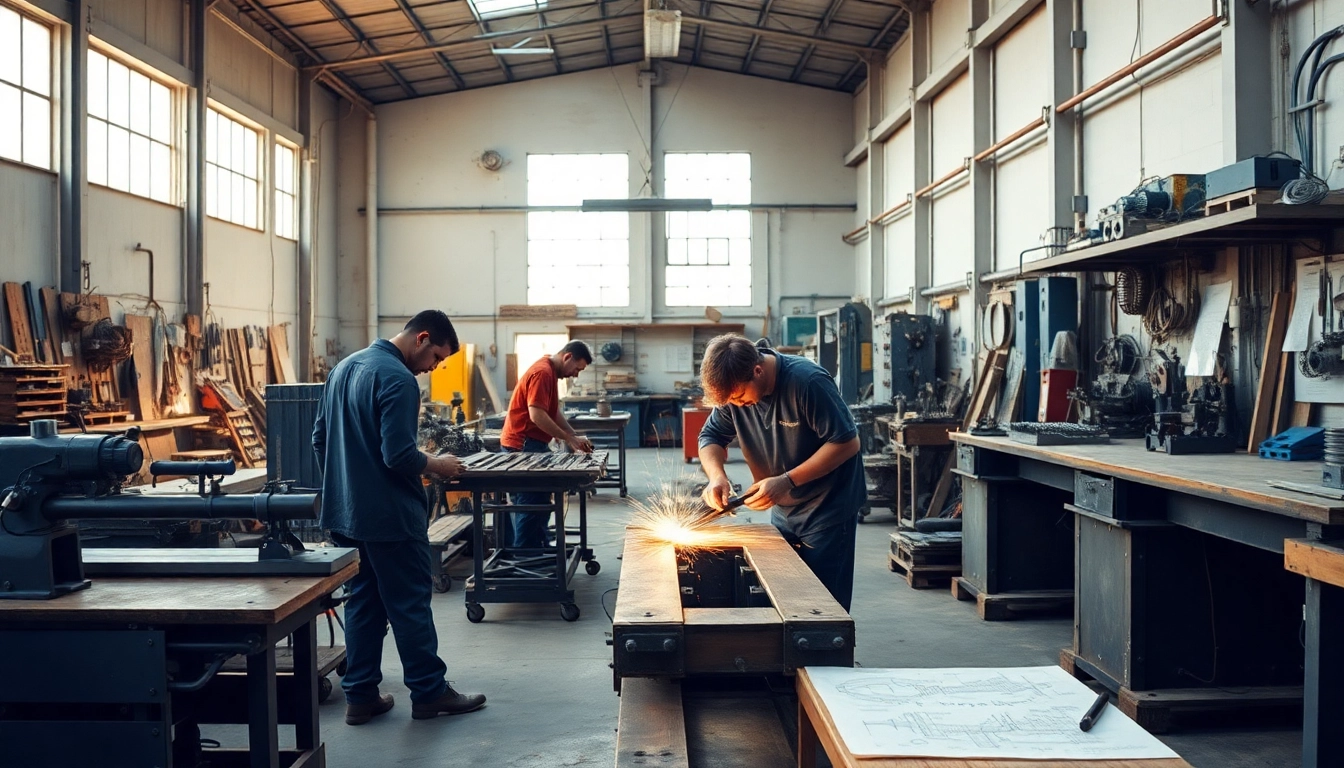
Welding is vital in custom steel fabrication, ensuring that different parts are securely joined. Common welding techniques include MIG (Metal Inert Gas) welding, TIG (Tungsten Inert Gas) welding, and stick welding. MIG welding is favored for its speed and ease of use, particularly in automated systems, while TIG welding excels in producing high-quality welds in thin materials. Stick welding remains useful in outdoor environments due to its portability and efficiency.
Machining Processes in Custom Steel Fabrication
Post-welding, machining processes refine the steel components further. Techniques such as milling, turning, and drilling come into play to achieve precise dimensions and finishing. Milling is commonly used to create flat surfaces and intricate designs, while turning processes on lathes are employed for cylindrical components. Drilling provides holes for bolts or piping, essential in various applications. Leveraging these machining processes enhances the overall quality and usability of custom steel products.
Choosing the Right Service Provider for Custom Steel Fabrication
Evaluating Experience and Expertise
When selecting a provider for custom steel fabrication, experience and expertise are paramount. Assessing their portfolio for previous projects can provide insight into their capabilities and the complexity of work they can handle. Moreover, customer testimonials and case studies serve to highlight reliability and quality. A well-established service provider will often have a proven track record in delivering on diverse and challenging projects.
Importance of Advanced Technology
In today’s fast-paced market, embracing advanced technology is crucial in custom steel fabrication. Providers often use CAD (Computer-Aided Design) software for precise designs and automated machinery for high-quality production. Technology not only enhances accuracy but also speeds up turnaround times. Selecting a provider that invests in state-of-the-art equipment can significantly impact the efficiency and quality of the final products.
Assessing Quality Assurance Measures
Quality assurance is essential in ensuring that the final steel products meet all specifications and safety standards. Providers should implement rigorous inspection and testing protocols throughout the fabrication process. This includes pre-production sample approvals, regular quality checks during production, and final inspections before delivery. A strong quality assurance program minimizes the risk of defects and enhances customer satisfaction.
Challenges in Custom Steel Fabrication
Cost Management Strategies
Cost management is a significant challenge in custom steel fabrication due to fluctuating material prices and labor costs. Effective strategies include price locking agreements with suppliers, bulk purchasing discounts, and careful project management to avoid overruns. Additionally, thorough planning and budgeting can alleviate the risk of financial strain throughout the fabrication process.
Time Constraints and Scheduling
Time constraints are common in custom steel fabrication. Delays can arise from unexpected design changes, supply chain issues, or equipment failures. To mitigate these risks, clear communication with clients about timelines is crucial. Implementing project management software can help keep track of progress and deadlines, ensuring all team members are aligned. Proactive scheduling and contingency planning are also vital in preventing bottlenecks.
Design Modifications and Revisions
Design modifications can complicate the custom steel fabrication process, often leading to increased costs and extended timelines. It’s essential to establish a clear and comprehensive design document before fabrication begins. Engaging clients during the design phase to ensure their requirements are met can help reduce revisions. Additionally, conducting thorough reviews of prototypes can catch potential issues early in the fabrication cycle.
Future Trends in Custom Steel Fabrication
Incorporating Automation in Fabrication
The future of custom steel fabrication is leaning heavily toward automation. Automation streamlines production processes, reduces labor costs, and enhances precision. Robotics and automated guided vehicles (AGVs) are increasingly employed in fabrication facilities to handle repetitive tasks, allowing human workers to focus on more complex activities. The integration of automation not only boosts efficiency but also improves workplace safety.
The Role of Sustainable Materials
Sustainability is becoming increasingly important in custom steel fabrication. Companies are actively seeking to reduce their carbon footprint by using recycled materials and less energy-intensive processes. Embracing sustainable practices not only appeals to environmentally conscious consumers but also complies with evolving regulations. Implementing recycling programs and sourcing eco-friendly materials is essential for forward-thinking fabrication firms.
Embracing Digital Fabrication Technologies
Digital fabrication technologies, such as 3D printing and CNC machining, are set to revolutionize custom steel fabrication. These technologies allow for rapid prototyping and production of complex geometries that traditional methods may struggle with. By embracing digital fabrication, companies can offer more innovative solutions and significantly shorten lead times. The advancement of these technologies may lead to greater customization and reduced waste in the fabrication process.
Frequently Asked Questions
What is custom steel fabrication?
Custom steel fabrication is the process of creating steel components tailored to specific requirements, involving design, cutting, welding, and assembly.
What industries use custom steel fabrication?
Industries such as construction, manufacturing, automotive, and energy heavily rely on custom steel fabrication for unique parts and structures.
What materials are commonly used in custom steel fabrication?
Common materials include carbon steel, stainless steel, and various alloy steels, chosen based on the specific properties needed for the final product.
How can I select a reliable custom steel fabrication service?
Choose a provider with ample experience, advanced technology, and a strong quality assurance program to ensure high-quality results.
What are the future trends in custom steel fabrication?
Future trends include increased automation, the use of sustainable materials, and the adoption of digital fabrication technologies like 3D printing.