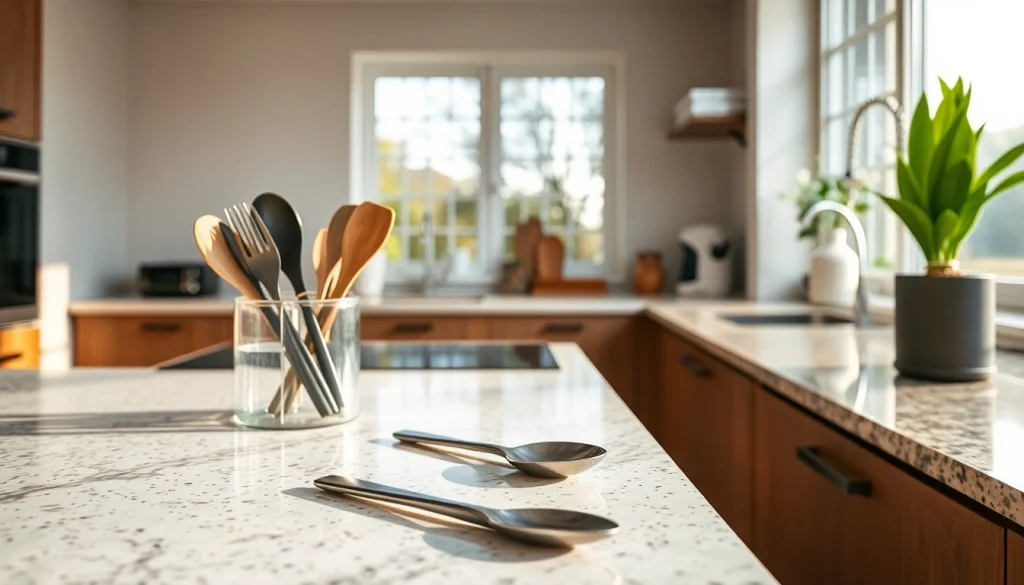
Understanding Different Kitchen Worktop Materials
When it comes to designing your kitchen, one of the most important aspects to consider is the worktop material. The right worktop not only determines the overall aesthetic of your kitchen but also impacts functionality, maintenance, and durability. With so many options available, comparing kitchen worktop materials becomes essential for making an informed decision. This comprehensive guide dives into various materials and what factors you should weigh while selecting your ideal worktop. Explore our Kitchen Worktop Materials Comparison to gain valuable insights.
Key Types of Materials
The choice of kitchen worktop materials is diverse, each offering unique benefits. Let’s look at some of the most popular materials:
- Granite: Renowned for its natural beauty and exceptional durability, granite is a popular choice. It’s heat and scratch-resistant, making it ideal for active kitchens.
- Quartz: Made from engineered stone, quartz offers uniformity in appearance and superior resilience against staining and cracking.
- Solid Wood: Wooden worktops lend a warm, organic feel to kitchens. They require regular oiling and proper care to maintain their lustrous appearance.
- Laminate: Affordable and versatile, laminate comes in various designs and colors. Though less durable than stone, it’s easy to clean and maintain.
- Marble: Known for its luxurious appearance, marble adds timeless elegance. However, it is softer and more porous, making it prone to scratches and stains.
- Stainless Steel: This modern material is resistant to heat and bacteria, making it a favorite in professional kitchens. Its sleek appearance fits contemporary designs perfectly.
Advantages of Each Material
Each worktop material has distinct advantages:
- Granite: Extremely durable, holds up against heat, and offers a unique look with natural patterns.
- Quartz: Non-porous surface prevents stains and bacteria buildup while offering a broad palette of colors.
- Solid Wood: Eco-friendly and provides a warm ambiance; easy to refurbish.
- Laminate: Very cost-effective; easy installation and maintenance; numerous designs available.
- Marble: Elegant appearance, excellent for pastry work due to its cool surface.
- Stainless Steel: Hygienic surface, avoids bacterial growth; resistant to damage from hot cookware.
Considerations for Choosing
Selecting the right worktop material involves evaluating several factors:
- Usage: Assess how often your kitchen is used and the types of food prep typically done.
- Style: Consider the overall design theme of your kitchen to choose a material that complements it.
- Budget: Determine your budget as the price for worktops can vary significantly depending on the material.
- Maintenance needs: Some materials require more upkeep than others, which can influence your choice.
- Longevity: Look into the durability of materials to ensure a long-lasting investment in your kitchen.
Kitchen Worktop Materials Comparison: Durability and Maintenance
Durability and maintenance are crucial factors that can affect your worktop’s appearance and lifespan. Here’s how various materials measure up:
How Long Will They Last?
The longevity of kitchen worktop materials can vary significantly:
- Granite: With proper care, granite can last a lifetime, making it a strong investment.
- Quartz: Engineered quartz worktops also offer excellent durability, typically lasting 10-15 years or more.
- Solid Wood: While durable, wood can require refinishing over time to maintain its beauty.
- Laminate: Generally lasts 10 years; may show wear more quickly compared to stone options.
- Marble: While it looks beautiful, marble requires more care and may not last as long without damage.
- Stainless Steel: Highly durable and can last indefinitely with proper maintenance.
Cleaning Tips for Different Surfaces
- Granite: Use a mild soap and water solution; avoid harsh chemicals. Wipe spills immediately to prevent staining.
- Quartz: Clean with a damp cloth; most spills can be wiped without special products due to its non-porous nature.
- Solid Wood: Clean with a soft cloth and mild soap; regularly oil to prevent drying and cracking.
- Laminate: Wipe down with a damp cloth and pH-neutral cleaner. Avoid abrasive scrubbers which can scratch the surface.
- Marble: Clean with a pH-balanced cleaner; avoid harsher products as marble can etch easily.
- Stainless Steel: Wipe frequently with a soft cloth and a manufactured cleaner for stainless steel to maintain shine.
Repairing Damages: What You Need to Know
Understanding how to repair common damages can also influence your choice of material:
- Granite: Can be resurfaced or resealed if scratched or stained.
- Quartz: Chips can be repaired using resin filler; professional help may be required for significant damage.
- Solid Wood: Simple sanding and resealing can remove scratches and dents.
- Laminate: Small scratches can often be concealed with special markers; for larger damages, replacement might be needed.
- Marble: Polishing can help with minor scratches, but significant damage may need to be professionally repaired.
- Stainless Steel: Minor dents may be removed with repair kits; scratches can often be buffed out.
Cost Factors in Kitchen Worktop Materials Comparison
Understanding the financial implications of different materials will aid in decision-making:
Initial Costs vs Long-Term Value
Initial costs can be misleading, as some inexpensive materials may require more upkeep or replacements:
- Granite: Higher upfront cost, but low maintenance needs equate to long-term savings.
- Quartz: Similar to granite, quartz may have higher initial costs but offers durability and low maintenance.
- Solid Wood: Often less expensive initially but repetitive refinishing can drive up costs over time.
- Laminate: Low cost initially, but may need replacement sooner, affecting long-term value.
- Marble: Generally expensive, with high maintenance costs when damaged.
- Stainless Steel: Installation can be costly, but low maintenance ensures long-term savings.
Budget-Friendly Options
If you’re on a tight budget, you may consider:
- Laminate: Provides various designs at low costs.
- Solid Surface: Affordable and offers design versatility.
- Recycled Materials: Consider options made from recycled stone or wood that can be less expensive.
Investing in Quality Over Time
While it may be tempting to choose cheaper options, investing in quality materials may save money in the long run, as these materials tend to require less maintenance and won’t need replacing as soon. This is particularly relevant for:
- Granite and Quartz: High investment but unmatched durability and longevity.
- Marble: Considered luxurious but comes with a long-term investment of time in upkeep.
Design Aesthetics: Choosing the Right Look
The aesthetic appeal of your kitchen is paramount; thus, selecting worktop materials that align with your design vision is essential:
Color and Texture Variations
Both color and texture greatly influence your design selection:
- Granite: Available in myriad colors and patterns, ensuring variety and uniqueness.
- Quartz: Comes in an extensive range of colors and patterns, allowing for cohesive design plans.
- Wood: Offers natural beauty with multiple finishes available, from rustic to polished.
- Laminate: Comes in a plethora of styles, mimicking more expensive materials quite convincingly.
- Marble: Each slab features distinct veining, adding personalization to high-end kitchens.
- Stainless Steel: Provides a modern look, complimenting minimalist and industrial designs.
Matching with Kitchen Style
Your chosen worktop must harmonize with your kitchen’s overall style:
- Contemporary: Quartz or Stainless Steel works well for a sleek look.
- Traditional: Solid Wood or Granite can provide a classic appearance.
- Rustic: Look for reclaimed wood or natural stone to enhance a country-style kitchen.
- Industrial: Stainless Steel or concrete will fit seamlessly.
Trends in Kitchen Worktop Design
Staying updated on design trends can be beneficial:
- Natural Stones: The trend for organic materials continues to rise, especially with unique patterns.
- Bold Colors: Worktops in vibrant hues are making a statement.
- Mixed Materials: Combining different materials for a layered effect is increasingly common.
FAQs about Kitchen Worktop Materials Comparison
What is the best material for a kitchen worktop?
The best material depends on your needs—granite and quartz are popular for durability, while wood offers warmth and style.
How do I maintain and clean my worktop?
Maintenance varies: granite needs sealing, quartz requires simple cleaning, and wood needs regular oiling to protect it.
Are granite and quartz worktops heat resistant?
Yes, both materials are heat resistant but can be damaged by extreme temperatures, so it’s wise to use trivets.
Can I install a worktop myself?
While some materials like laminate may be DIY-friendly, most stone worktops require professional installation for best results.
What factors should I consider when choosing a worktop?
Consider durability, maintenance, budget, style, and how the worktop will be used daily in your kitchen.