
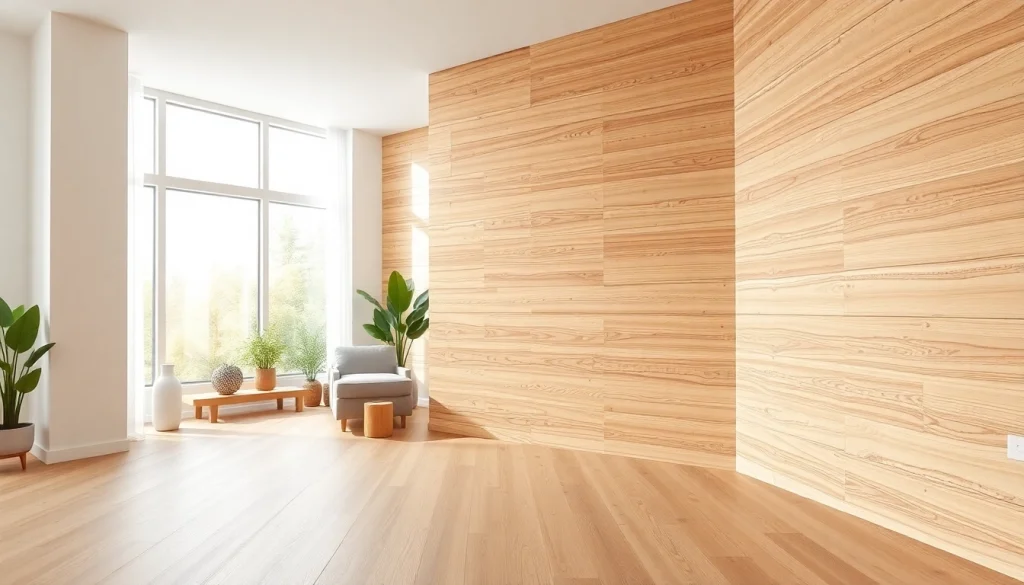
The Basics of Wall Planks
What Are Wall Planks?
Wall planks are long, narrow pieces of material used to cover or decorate walls. They offer a versatile approach to interior and exterior design, serving not only as functional elements but also as striking visual features. This method of covering walls can involve various materials, with wood being a popular choice due to its warmth and aesthetic appeal. However, other materials like vinyl and medium-density fiberboard (MDF) are also prevalent, catering to different tastes and requirements.
Benefits of Using Wall Planks
The use of wall planks can transform a space remarkably. Firstly, they contribute to thermal insulation, helping maintain indoor temperatures. Secondly, they enhance aesthetic appeal, adding texture and depth to the design scheme of a room. Thirdly, wall planks provide durability against wear and tear when properly installed. This means they can withstand the rigors of daily life while maintaining their visual impact. Notably, wall planks can also be an eco-friendly choice if sourced from sustainable wood or recycled materials, aligning with modern environmentally-conscious design trends.
Materials Commonly Used for Wall Planks
When considering wall planks, the materials available can range from natural to synthetic options:
- Wood: Offers a classic look. Different types of wood, like oak, pine, and cedar, provide unique grains and colors, affecting the overall ambiance.
- Vinyl: Known for its versatility and ease of maintenance, vinyl wall planks can mimic wood or stone textures and are often used in high-moisture areas like bathrooms.
- MDF: A cost-effective alternative, MDF can be easily painted or stained, allowing for customization without the higher price point associated with solid wood.
- Reclaimed Materials: Sustainable choices are increasingly sought after. Reclaimed wood adds character and has a smaller environmental footprint.
Choosing the Right Wall Planks
Styles of Wall Planks to Consider
Wall planks come in various styles that cater to different design preferences:
- Shiplap: Characterized by its overlapping edges, shiplap creates a rustic, farmhouse look that suits both traditional and contemporary settings.
- Beaded Board: Featuring a series of grooves, beaded board has a classic appearance often used in coastal and cottage designs.
- Flat Planks: Simple and modern, flat planks can be aligned horizontally, vertically, or in patterns to create a streamlined look.
- Textured Planks: These include patterns or designs that add depth to walls, making them suitable for feature walls.
Color and Finish Options
Choosing the right color and finish is crucial for achieving the desired aesthetic:
- Natural Finishes: Keeping the natural grain visible offers a timeless and organic feel.
- Painted Finishes: Uses bold or soft colors to accentuate spaces. Neutral colors often work well in smaller areas.
- Distressed Finishes: Offers a vintage or rustic look, usually achieved through sanding or aging techniques.
- Stained Options: Provide more depth than paint and keep visible the wood’s texture while changing its hue.
Durability and Maintenance Factors
When selecting wall planks, it’s essential to consider how they will hold up over time:
- Moisture Resistance: Some materials like vinyl are inherently moisture-resistant, making them a better choice for bathrooms or kitchens.
- UV Resistance: If wall planks are installed in areas with direct sunlight, choosing materials that resist fading is essential.
- Cleaning and Maintenance: Some finishes may require regular upkeep, while others like vinyl are easier to maintain with simple cleaning solutions.
Installation Techniques for Wall Planks
Preparation Steps for Installation
Before you start installing wall planks, adequate preparation is critical for a seamless process:
- Assess the Surface: Ensure the wall is even and clean. Any irregularities might affect the planks’ alignment.
- Gather Tools: Tools may include a level, saw, measuring tape, adhesive, nails/screws, and possibly a pneumatic nailer.
- Acclimate the Planks: Especially if using solid wood, allow the planks to acclimate to the room’s humidity for at least 48 hours.
- Plan the Layout: Visualize the design; determining the starting point and the layout pattern will save time during installation.
DIY Installation vs. Professional Help
Deciding whether to install wall planks yourself or hire a professional depends on several factors:
- Expertise Level: If you are handy and have the right tools, a DIY installation can save costs. Professionals bring experience and efficiency.
- Complexity of the Project: If your layout involves lots of cutting or intricate designs, professional help may yield better results.
- Time Consideration: Professionals typically complete projects quicker than an inexperienced DIYer.
Tools Needed for Successful Installation
The right tools can help ensure a successful installation:
- Measuring Tape: Essential for accuracy in cutting and aligning the planks.
- Level: Helps ensure that your planks are installed straight.
- Saw: Depending on the material, a miter or circular saw may be necessary for cutting planks to size.
- Nailer or Adhesive: These allow for secure attachment to the wall surface.
Design Ideas with Wall Planks
Combining Wall Planks with Other Materials
Combining wall planks with other materials can create a multi-dimensional look. Here are some design ideas:
- Wall Planks with Stone: Using stone accents alongside wooden wall planks creates a beautiful contrast and adds natural elements to a space.
- Wall Planks and Paint: A wall with planks on one side and painted drywall on the other can create an eye-catching focal point.
- Integrating Metal Accents: Metal fixtures can complement the warmth of wood planks, balancing both rustic and industrial design.
Seasonal Design Trends Featuring Wall Planks
Wall planks can adapt to seasonal trends with minor adjustments:
- Spring: Bright, pastel colors or lighter woods create a fresh feeling.
- Summer: Bold colors or beach-inspired styles (like whitewashed wood) can enhance the open and airy vibe.
- Fall: Rich, deep hues or warm finishes like mahogany or walnut evoke cozy autumn feelings.
- Winter: Darker, more dramatic colors paired with soft lighting can create a warm retreat against the cold.
Enhancing Curb Appeal with Exterior Wall Planks
Wall planks aren’t only for interiors; they can beautifully enhance the exterior of your home:
- Combination Styles: Mix vertical and horizontal planks for a unique facade that stands out.
- Use of Color: Choose bold or contrasting colors to make a statement, or softer tones for a more subtle approach.
- Accent Features: Pair exterior wall planks with stone walkways or planters to create a cohesive look.
Maintaining Your Wall Planks
Cleaning Techniques for Various Finishes
Maintaining the beauty of your wall planks starts with appropriate cleaning methods:
- Wood Planks: Use a damp cloth with a gentle cleaner; avoid soaking the wood.
- Vinyl Planks: Clean with a mixture of warm water and mild soap; they are generally easier to maintain.
- MDF Planks: Use a dry or slightly damp cloth, ensuring they do not get too wet, as moisture can cause swelling.
Regular Maintenance Tips
Routine maintenance will ensure the longevity of your wall planks:
- Inspection: Regularly check for any signs of wear or damage, especially in high traffic areas.
- Re-staining or Painting: Reapply finishes if the color fades or the surface dulls to retain its beauty.
- Immediate Repairs: Address scratches, dents, or moisture issues promptly. Minor repairs can prevent more significant damage.
Identifying and Repairing Damage
Knowing how to treat damage on wall planks can prolong their life:
- Scratches: Fine scratches can often be buffed out or filled with a matching wood filler.
- Water Damage: If planks show signs of swelling or discoloration, you may need to replace affected areas.
- Loose Planks: Reapply adhesive or secure loose planks carefully without causing further damage.
FAQs About Wall Planks
What are wall planks made from?
Wall planks can be made from a variety of materials including wood, vinyl, and MDF, each offering different aesthetic and practical benefits.
How do I install wall planks?
Wall planks can be installed using glue, nails, or screws. Make sure to prepare the wall and gather necessary tools for a smooth installation process.
Can wall planks be painted?
Yes, wall planks can be painted. However, it’s advisable to use a primer first to ensure better adhesion and a smoother finish.
Are wall planks durable?
Yes, many wall planks are designed for durability; however, the lifespan depends on the materials used and the installation environment’s conditions.
How do I clean wall planks?
Clean wall planks using a damp cloth or a gentle cleaner. Avoid harsh chemicals that could damage the finish or materials.