
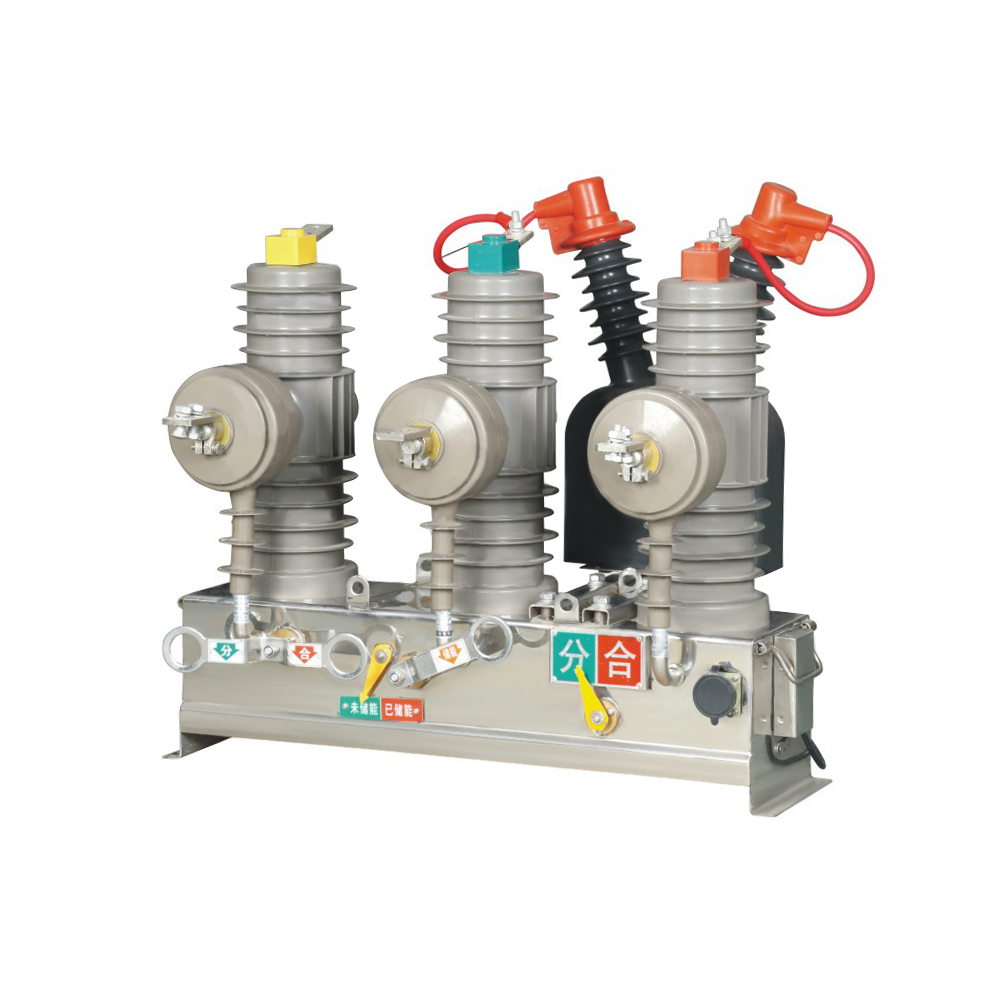
Engineers and technicians play a critical role in ensuring the safety and reliability of electrical systems. The Vacuum circuit breaker is a key component in medium-voltage electrical networks, offering efficient protection against faults while requiring minimal maintenance. Aierway, a trusted manufacturer of high-quality vacuum circuit breakers, provides solutions designed for professional use, delivering safety, reliability, and long-term performance.
What is a Vacuum Circuit Breaker?
A vacuum circuit breaker is an electrical switchgear device that interrupts current flow during abnormal conditions such as short circuits or overloads. Unlike conventional air or oil-based circuit breakers, the vacuum circuit breaker extinguishes electrical arcs within a sealed vacuum chamber. This unique design minimizes contact wear, reduces maintenance, and improves operational efficiency.
Key Components of a Vacuum Circuit Breaker
Understanding the main components of a vacuum circuit breaker is essential for engineers and technicians:
- Vacuum Interrupter: The core component responsible for arc extinction within a vacuum.
- Operating Mechanism: Controls the opening and closing of contacts, ensuring precise fault interruption.
- Contacts: Conduct current under normal operation and separate during faults.
- Insulation System: Maintains safety and prevents electrical leakage between components.
Installation and Operation Best Practices
Proper installation and operation are crucial for the optimal performance of a vacuum circuit breaker:
- Pre-Installation Inspection: Check for mechanical or electrical damage and verify technical specifications.
- Secure Mounting: Ensure proper alignment and stable installation to prevent mechanical stress.
- Electrical Connections: Tighten all terminals according to manufacturer specifications to prevent overheating.
- Earthing: Connect the breaker body to the system ground to enhance safety.
- Operational Testing: Perform manual or automated tests to verify smooth operation and reliable arc extinction.
Advantages of Vacuum Circuit Breakers
1. High Reliability
The vacuum circuit breaker ensures consistent performance even in high-voltage and high-current applications. Its vacuum interrupters provide efficient arc quenching, reducing the risk of system failures.
2. Low Maintenance
Sealed vacuum interrupters prevent contamination and wear, minimizing the need for frequent servicing. This makes the vacuum circuit breaker ideal for continuous industrial operations.
3. Fast Fault Interruption
Rapid fault clearance protects equipment, reduces downtime, and ensures system stability.
4. Compact and Space-Saving Design
Aierway’s vacuum circuit breakers are designed for easy integration into switchgear panels, saving space without compromising performance.
5. Environmentally Friendly
Without oil or gas, the vacuum circuit breaker is safe and environmentally responsible, eliminating risks associated with leaks or contamination.
Applications for Engineers and Technicians
Vacuum circuit breakers are widely used in:
- Industrial plants and factories
- Power distribution substations
- Commercial buildings
- Renewable energy installations
Engineers and technicians rely on vacuum circuit breakers to ensure reliable electrical protection in all these environments.
Why Choose Aierway Vacuum Circuit Breakers?
Aierway is trusted by professionals worldwide for producing vacuum circuit breakers that combine precision, reliability, and durability. Each unit is rigorously tested to meet international standards, providing engineers and technicians with confidence in their performance.
Conclusion
The vacuum circuit breaker is an essential tool for engineers and technicians managing medium-voltage electrical systems. With advantages such as high reliability, low maintenance, rapid fault interruption, and eco-friendly design, it ensures safety and efficiency in electrical networks. Choosing Aierway vacuum circuit breakers guarantees professional-grade protection and long-term performance for critical electrical systems worldwide.