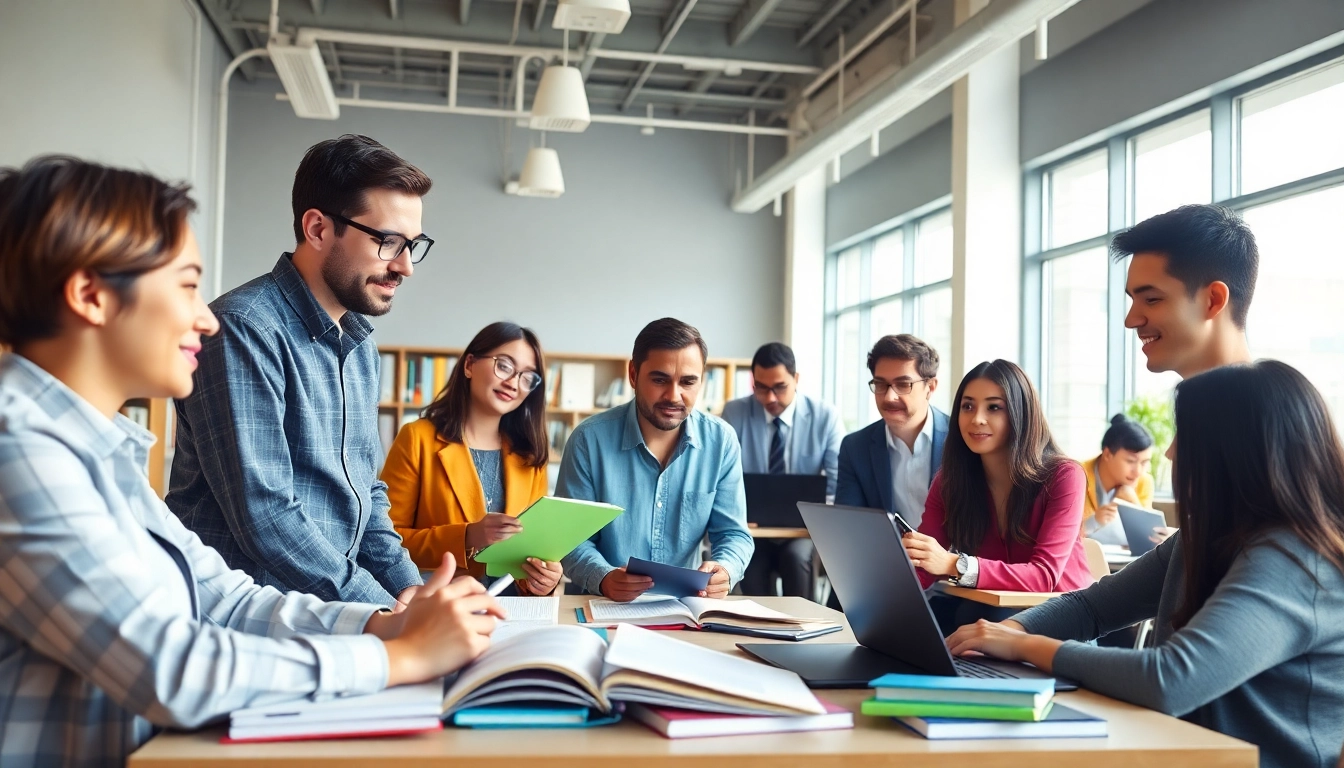
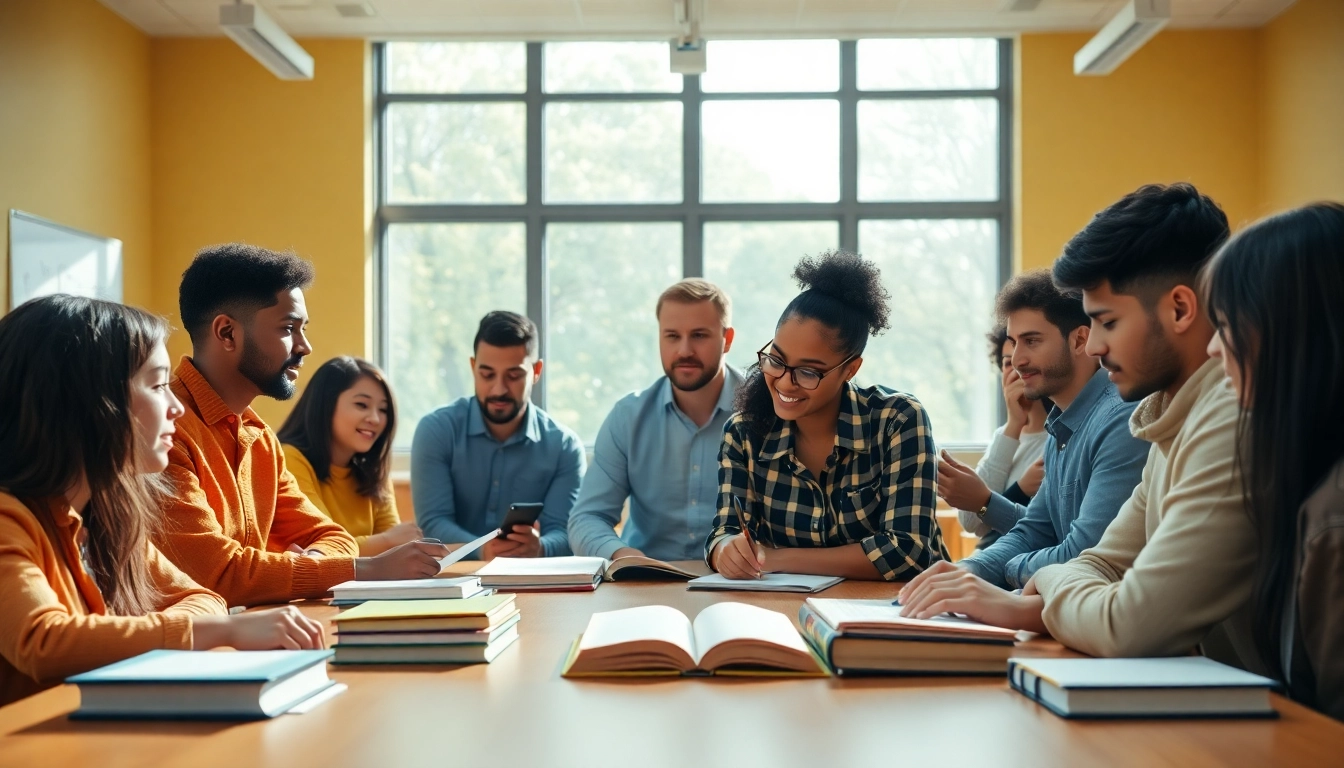
Understanding the Role of Education in Modern Society
Education serves as the cornerstone of modern society, shaping individuals and communities into more informed and productive entities. It transcends mere knowledge acquisition, representing the transmission of values, skills, and culture essential for the progress of humanity. As the world navigates a rapidly changing landscape, the significance of education grows paramount. From lifelong learning to individualized frameworks, the holistic approach toward education invites us to reevaluate its purpose. Access to quality education remains as a critical concern, necessitating a concerted effort from all sectors of society. To explore this further, we delve into various aspects of education, including its importance, challenges, impact on personal development, and its evolving nature.
Not only does education drive social and economic development, but it also fosters an environment that encourages critical thinking and innovation. As we explore the subject of Education, we unravel how its significance is interwoven with the fabric of our societal constructs.
The Importance of Lifelong Learning
Lifelong learning is essential in our fast-paced world. The rapidly evolving job market demands adaptability and continuous skill development. Education is no longer confined to formal schooling; it extends into careers, hobbies, and personal enrichment.
Emphasizing the importance of lifelong learning allows individuals to stay relevant in various fields. Whether through online courses, workshops, or informal learning environments, the ability to learn continuously is vital. Data sourced from several studies show that adults engaged in lifelong learning experience significant benefits, including improved job prospects, enhanced satisfaction, and overall wellbeing.
As industries transform, adults with a commitment to ongoing development not only improve their employability but also contribute positively to societal growth. Employers increasingly favor candidates who exhibit the willingness to upskill and reskill, underscoring the necessity of lifelong education.
Challenges in Access to Quality Education
Despite the recognized importance of education, access to quality education remains a significant challenge globally. Numerous factors contribute to these disparities, including socioeconomic status, geographic location, and institutional quality. These barriers create an uneven playing field; students in underfunded or rural areas often face insufficient resources, impacting their educational experiences and outcomes.
Additionally, children from disadvantaged backgrounds frequently lack access to necessary support systems, such as tutoring and parental involvement, both of which are critical for academic success. Various educational initiatives aim to mitigate these challenges by providing resources and support that target the needs of underserved communities. Such initiatives emphasize community engagement and involve stakeholders from various sectors, including government, non-profits, and private sectors, working in collaboration to enhance educational access.
To effectively address these systemic inequities, policymakers must prioritize funding, implement reform strategies, and develop targeted programs aimed at bridging the education gap.
How Education Shapes Personal Development
Education plays a profound role in personal development by shaping individuals’ cognitive, social, and emotional skills. Through educational experiences, individuals learn not only academic content but also critical life skills, including communication, problem-solving, and interpersonal interactions.
Moreover, education enhances emotional intelligence by fostering self-awareness and empathy. These skills are increasingly valued in today’s interconnected world and crucial for personal effectiveness both in professional and social settings.
As students navigate their educational journey, they are encouraged to develop a growth mindset, resilience, and adaptability. These characteristics are instrumental for personal development and well-being, enabling individuals to thrive amid challenges.
Effective Educational Methods and Tools
The landscape of education is continually transforming, embracing innovative methods and tools that enhance learning experiences. Educators and institutions are exploring diverse approaches to maximize educational outcomes for students. From technology integration to hands-on learning environments, various methods shape how knowledge is imparted.
Incorporating Technology into Education
The incorporation of technology into educational settings has revolutionized how knowledge is delivered and consumed. Digital tools, including interactive platforms, e-learning modules, and multimedia content, have become standard. Such advancements have several benefits, including increased engagement, flexibility, and accessibility for learners.
For instance, online courses have empowered individuals to pursue knowledge from anywhere, breaking geographical barriers that once limited access to quality education. Research indicates that technology in education, such as gamification and simulation tools, significantly enhances student motivation and retention of information.
Moreover, technology facilitates a more personalized learning experience, allowing students to learn at their own pace and style. By leveraging data analytics, educators can tailor lesson plans and interventions based on individual performance metrics.
Hands-On Learning Experiences
Hands-on learning experiences stand as critical components of effective education. This approach allows students to apply theoretical knowledge in practical contexts, deepening their understanding and retention.
Project-based learning (PBL) exemplifies this method, where students engage in complex, real-world problems, collaborating to innovate solutions. PBL not only cultivates critical thinking but also fosters teamwork and communication skills essential in today’s workplace. Case studies illustrate how such experiences enhance student engagement and academic performance, leading to more meaningful educational journeys.
Field trips, lab activities, and community service projects are other forms of experiential learning that enrich the educational landscape, allowing students to connect their academic pursuits with real-world applications.
Personalized Learning Approaches
Personalized learning represents a transformative shift in educational philosophy. Unlike the traditional model where all students learn the same content simultaneously, personalized learning tailors educational experiences to individual learners’ needs, interests, and abilities.
This approach emphasizes student agency, encouraging them to take ownership of their learning process. Educational professionals leverage assessments and data analytics to craft personalized learning paths, allowing students to progress at their own pace.
Successful implementation of personalized learning involves creating adaptable curricula, incorporating student feedback, and fostering robust partnerships among teachers, students, and parents. Schools that have adopted this methodology report increased student engagement and improved academic outcomes, solidifying personalized learning as a vital strategy in modern education.
The Impact of Emotional and Mental Wellbeing on Education
Emotional and mental well-being significantly influences educational experiences and outcomes. A supportive learning environment promotes not only academic success but also personal growth. Recognizing and addressing the mental health needs of students is imperative for fostering an atmosphere conducive to learning.
Creating a Supportive Learning Environment
Creating a supportive learning environment involves fostering a culture of acceptance, understanding, and compassion. Teachers play a vital role in developing relationships with students, ensuring they feel safe and valued within the school community.
Moreover, classrooms designed to promote inclusivity and respect thrive on diversity, where every student’s perspective is acknowledged. Programs aimed at social-emotional learning (SEL) cultivate essential life skills, helping students manage emotions and maintain positive relationships.
Research shows that students in supportive environments demonstrate higher levels of resilience, engagement, and academic performance, underscoring the importance of prioritizing emotional and mental wellness in educational settings.
Mental Health Resources for Students
The increasing prevalence of mental health issues among students necessitates the integration of mental health resources within educational institutions. Schools are adopting comprehensive mental health programs that encompass screening, counseling, and support services.
Access to mental health resources enables students to address personal challenges that may impact their academic performance. Professional counseling services, peer support groups, and wellness workshops are instrumental in equipping students with coping strategies and tools for resilience.
Additionally, collaboration with mental health organizations enhances school efforts to create a more supportive atmosphere, emphasizing the necessity of mental health education and awareness among students, faculty, and families.
The Role of Educators in Student Wellbeing
Educators are pivotal in promoting both academic and emotional well-being. Their influence extends beyond curriculum delivery; they are instrumental in fostering a positive learning culture that prioritizes student welfare.
Teacher training programs increasingly encompass professional development focused on social-emotional competencies, equipping educators with the skills to recognize signs of distress and support struggling students effectively.
Furthermore, collaborative models that involve teachers, counselors, and families contribute to a holistic support system that addresses the diverse needs of students. Research underscores the positive relationship between teacher well-being and student outcomes, highlighting the reciprocal nature of this dynamic.
The Future of Education: Trends and Innovations
The future of education holds promise as it embraces ongoing transformation and innovation. With technology driving changes in how we teach and learn, several emerging trends shape the educational landscape.
Emerging Educational Technologies
Emerging educational technologies are redefining classroom experiences. Virtual and augmented reality, artificial intelligence (AI), and machine learning are becoming increasingly prevalent, offering innovative solutions to enhance educational engagement.
For instance, virtual reality immerses students in interactive environments that promote experiential learning, helping them grasp complex subjects through simulation. Similarly, AI-driven platforms assess student performance, providing personalized recommendations that facilitate targeted learning.
These advancements not only enhance academic experiences but also prepare students for a dynamic and technologically driven workforce. Addressing the challenges presented by technology integration requires a carefully planned approach that emphasizes effective implementation and ongoing teacher training.
Global Perspectives on Education Reform
Global perspectives on education reform reveal a variety of innovative practices that enhance education systems. Countries worldwide increasingly prioritize transformative approaches that aim to elevate educational standards while promoting equity and inclusion.
Collaborative international efforts to improve education involve sharing best practices and learning from diverse educational philosophies. Case studies illustrate how countries with successful reforms focus on student-centered learning, teacher empowerment, and the integration of technology in curricula.
Such reforms illustrate the need to adapt to societal changes and to foster a globally competitive mindset among students, ensuring they emerge as informed citizens capable of addressing future challenges.
Preparing Students for a Changing Workforce
In a world characterized by rapid technological advancements and evolving job markets, adequately preparing students for the workforce is paramount. Education systems must adapt curricula to reflect current industry demands and equip students with skills crucial for future employment.
Emphasizing skills such as critical thinking, creativity, and digital literacy fosters a future-ready mindset among students. Moreover, partnerships with organizations and businesses can facilitate internships and mentorship opportunities, providing students with real-world experiences that bridge the gap between education and the job market.
A concerted emphasis on career development within education encourages students to explore various pathways, be it vocational training, higher education, or entrepreneurship, empowering them to navigate the complexities of their careers.
Measuring Success in Education
Measuring success in education is vital to ensure that academic institutions effectively meet their objectives. It involves evaluating educational outcomes, student experiences, and the overall impact of various pedagogical approaches.
Evaluating Educational Outcomes
Evaluating educational outcomes encompasses a comprehensive analysis of student performance on standardized assessments, course completion rates, and graduation statistics. However, a sole focus on quantitative metrics often overlooks qualitative aspects central to the educational experience.
In order to capture a complete picture of educational success, assessments should also integrate student feedback, self-evaluations, and portfolios showcasing individual progress. Such multifaceted evaluations highlight areas of improvement and facilitate tailored interventions that enhance learning experiences.
Importance of Feedback in the Learning Process
Feedback is crucial in the learning process, guiding students towards academic excellence. A culture that encourages constructive feedback fosters a growth mindset, empowering students to view challenges as opportunities for improvement.
Effective feedback involves clear communication and actionable recommendations that enable students to refine their skills and understanding. Consistent feedback loops, whether through informal check-ins or formal assessments, allows for ongoing dialogue that informs instructional practices.
This iterative approach cultivates an environment where students feel supported and motivated, driving them towards higher levels of engagement and achievement.
Success Stories: Case Studies of Effective Education
Examining success stories provides valuable insights into effective education practices. Case studies demonstrating improved outcomes often highlight the importance of innovative pedagogical methods, supportive environments, and strong community engagement.
Such narratives showcase diverse educational settings, from rural schools implementing technology-based programs to urban institutions adopting trauma-informed practices. These examples illustrate that there is no one-size-fits-all approach to education; rather, successful strategies must be tailored to the unique needs of each learning community.
By learning from successful interventions, educators and policymakers can replicate best practices, driving systematic improvements within the education sector.