
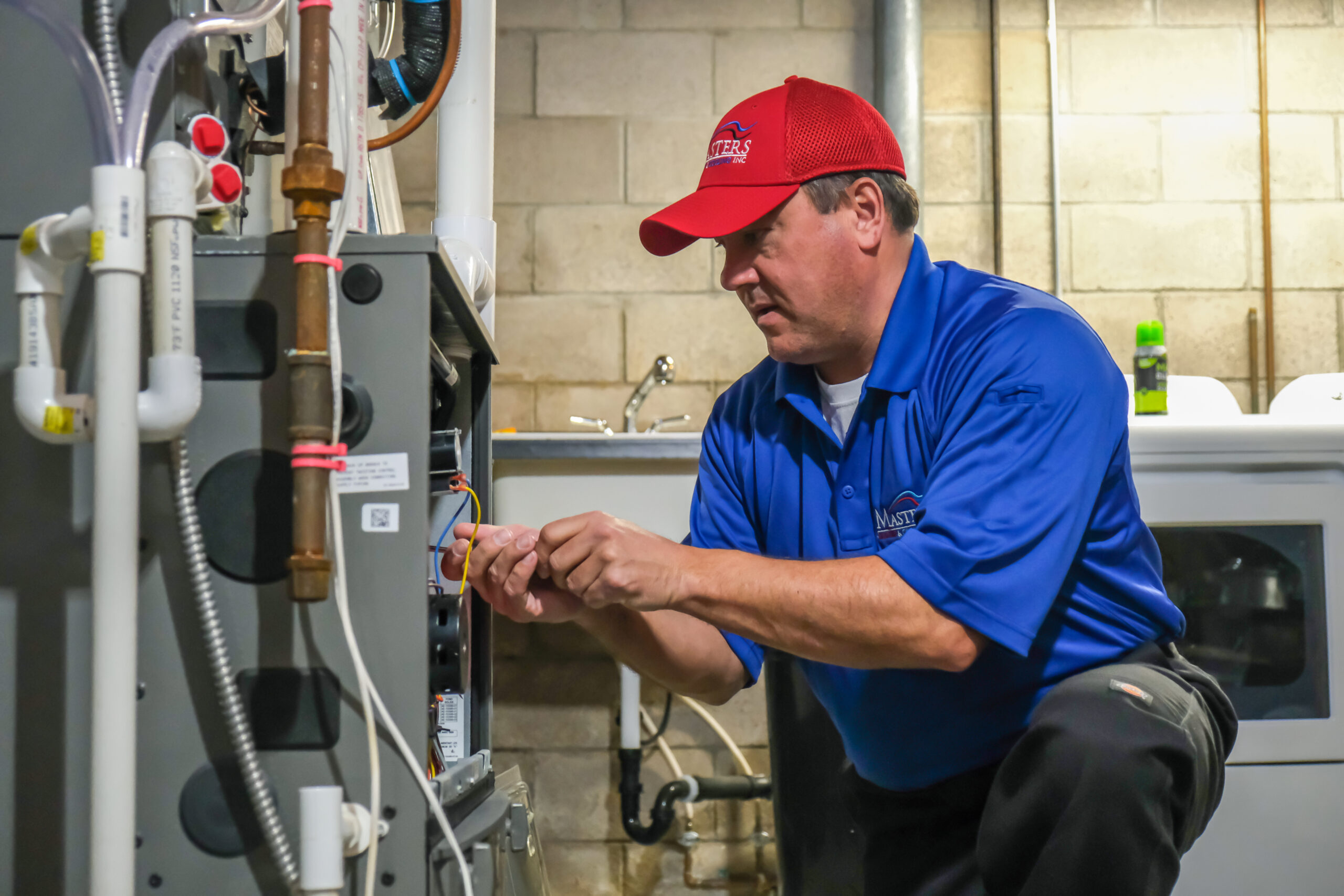
Understanding Emergency Heating Repair Needs
When the cold winter months roll in, a functioning heating system becomes essential for comfort and safety. However, heating systems can fail at the most inconvenient times. Understanding the signs that indicate the need for an emergency heating repair can save you time, money, and a lot of stress. Recognizing these signs early and knowing how to respond can ensure that you maintain a comfortable living environment, regardless of the weather outside.
Signs That Indicate Immediate Heating Repair
Identifying the symptoms of a failing heating system is crucial. Here are some clear signs that indicate you may need emergency services:
- Strange Noises: Unusual sounds such as banging, clanking, or rattling can suggest a mechanical failure.
- Inconsistent Heating: If certain areas of your home are cold while others are warm, it points to inefficiency or problems in the system.
- Poor Air Quality: Dusty or stale air can suggest that your heating system is not filtering air effectively, possibly due to malfunctioning components.
- Odors: Foul or burning smells coming from your heater can be hazardous, indicating possible electrical problems or burnt-out components.
- Higher Energy Bills: A sudden spike in your heating costs may indicate that your system is working harder than normal to maintain temperatures.
Common Causes of Heating System Failures
Several factors can cause your heating system to fail. Recognizing these can not only prepare you for unexpected emergencies but can also help you implement preventive measures:
- Neglect & Lack of Maintenance: Regular system maintenance is vital. Neglected systems can accumulate dirt, debris, and wear down over time.
- Age of the System: Older heating systems become less efficient and more prone to breakdown.
- Thermostat Issues: Faulty thermostats can lead to inaccurate readings and improper functioning of your heating system.
- Electrical Problems: Issues with wiring, fuses, or circuit breakers can prevent your heater from being operational.
- Blocked Ducts or Vents: Restrictions in airflow can cause overheating and system failures.
When to Call for Professional Emergency Heating Repair
It’s important to know when to call a professional. If you experience any of the following, seek emergency services:
- You notice a gas leak or smell.
- Your heating system fails to respond after adjusting the thermostat.
- There’s an erratic operation or total shutdown of the system.
- The system is producing abnormal sounds or smells.
- Heat is only partially distributed throughout your home.
Preparing for Emergency Heating Repairs
Preparation can minimize the stress during emergency situations. Here are crucial steps to take:
Assessing Your Heating System Before Issues Arise
Conduct periodic checks of your heating system to ensure it operates efficiently:
- Check air filters monthly and replace them as needed.
- Inspect the system for any visible leaks or damages.
- Monitor the system’s performance and note any unusual behavior.
Gathering Necessary Tools and Materials
Having the right tools on hand can ease a stressful situation. Prepare a basic toolkit that includes:
- Screwdrivers for various sizes.
- Adjustable wrenches.
- Flashlights and batteries for visibility.
- Thermometer to check temperature variations.
- Basic first-aid supplies to ensure safety while attempting minor fixes.
Creating a Heating Emergency Plan
Develop a plan that outlines what steps to take in an emergency. Involve the whole household in this plan, including:
- Identifying emergency contacts, including a trusted repair service.
- Regular communication about potential issues within the heating system.
- Establishing a temporary heating source, like space heaters, for use during repairs.
Steps to Take During an Emergency Heating Repair
When your heating system fails, follow these steps to manage the situation effectively:
Immediate Actions to Ensure Safety
Safety should be your top priority. Here’s what you can do:
- Disconnect the heating system if there are signs of smoke or burning.
- Evacuate your home if there’s a gas smell or malfunction.
- Contact emergency services if there’s a risk of fire or serious hazard.
How to Troubleshoot Common Heating Problems
If you feel comfortable investigating the issue, follow these troubleshooting steps:
- Check the thermostat settings and ensure they are correct.
- Inspect the power supply to your heating system.
- Look for tripped circuit breakers and reset them if necessary.
- Examine the pilot light on gas units to see if it’s lit.
Documenting the Repair Process
Documenting the process can help track issues over time:
- Keep a record of any repairs, how often they occur, and actions taken.
- List any parts that need replacement for future reference.
- Take photos of the system and signs of damage for accuracy.
Post-Emergency Heating Repair Care
Once repairs are made, it’s essential to manage the continued well-being of your heating system:
Checking for Persistent Issues After Repair
Make sure to frequently monitor your heating system post-repair for persistent or recurring issues:
- Keep an eye on the performance to catch issues early.
- Test how quickly rooms heat back to desired temperatures.
- Check for any unusual noises that signal further issues.
Scheduling Regular Maintenance for Your Heating System
Post-emergency, it is important to schedule regular inspections. Here’s how to maintain your system effectively:
- Enroll in a maintenance program to ensure professional check-ups.
- Regularly clean or replace filters to improve air quality.
- Consider upgrading parts if costs of repairs are becoming frequent.
Best Practices for Heating System Longevity
By following these practices, you can extend the life of your heating system:
- Ensure the heating vents are unobstructed.
- Maintain insulation to ensure heat isn’t wasted.
- Adjust settings for efficiency, such as setting lower temperatures when away.
Frequently Asked Questions About Emergency Heating Repair
What Should I Do If My Heater Stops Working?
First, adjust your thermostat settings. If that doesn’t work, check the power supply and inspect for any unusual sounds or smells. Contact a professional if the issue persists.
How Can I Prevent Future Heating Emergencies?
Regular maintenance, prompt repairs of minor issues, and annual inspections can help prevent future emergencies. Consider seasonal tune-ups before heating seasons begin.
What Are the Costs of Emergency Heating Repairs?
Costs vary depending on the issue, parts needed, and labor. On average, emergency repairs can range from a few hundred to over a thousand dollars, so it’s important to budget accordingly.
How Long Does an Emergency Heating Repair Typically Take?
The timeframe for emergency heating repairs can range from one hour to several hours, based on the complexity of the issue. A professional assessment will provide a more accurate estimate.
Can I Handle Emergency Heating Repairs Myself?
Minor troubleshooting may be manageable, but for safety and efficiency, complex repairs should be handled by professionals who have the expertise and tools to address the issues effectively.