Comprehensive Guide to GRP Grating Rods and Tubes
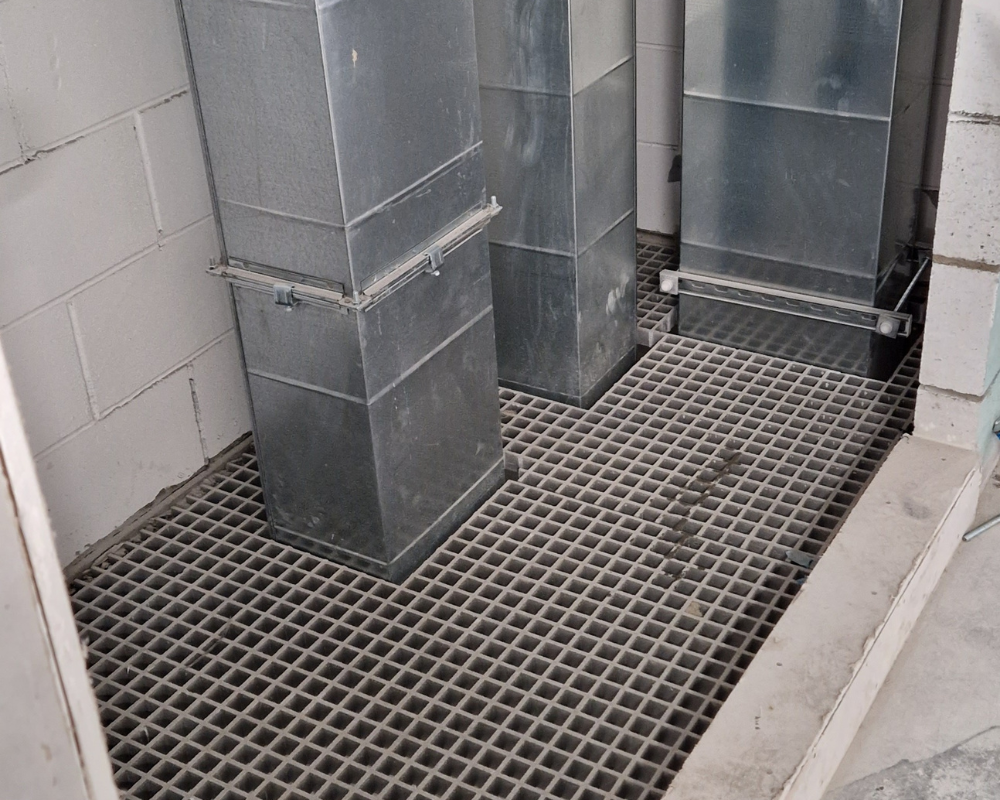
Modern industries are rapidly shifting towards composite materials that offer greater durability, superior performance, and long-lasting resistance to environmental stress. Among these advanced materials, GRP rods and tubes stand out as essential structural components used in platforms, walkways, access systems, rail infrastructure, marine environments, and heavy-duty engineering applications. As industries continue to prioritise safety, efficiency, and sustainability, GRP solutions—especially rods and tubes—have become integral to operations worldwide.
In this comprehensive guide, we will explore the construction, uses, manufacturing processes, benefits, and long-term value of these high-performance components. Throughout the article, we will also emphasise how they integrate seamlessly within GRP Grating systems to create lightweight and corrosion-free structures that withstand harsh industrial conditions.
This guide is designed to provide deep technical insights that help engineers, architects, procurement teams, and industry professionals understand why composite materials are transforming traditional infrastructure.
Understanding GRP Rods and Tubes
GRP (Glass Reinforced Plastic) rods and tubes are engineered composite components made by combining high-strength glass fibres with thermosetting resin systems. This process forms a robust, corrosion-resistant structure that performs exceptionally well in environments where metal materials deteriorate.
How GRP Rods Are Made
GRP rods are manufactured through a process known as pultrusion. Continuous fibre reinforcements—such as roving or mat—are impregnated with resin and pulled through a heated die. The shape is set under controlled temperature and pressure, forming a solid cylindrical rod with:
- High tensile strength
- Excellent rigidity
- Non-conductive properties
- Corrosion resistance
How GRP Tubes Are Made
GRP tubes may be produced through either pultrusion or filament winding. Filament winding involves wrapping resin-soaked glass fibres around a rotating mandrel at precise angles. This creates a hollow structure with:
- Enhanced load distribution
- Superior axial and hoop strength
- Lightweight performance
The combination of advanced manufacturing and material design ensures that both rods and tubes integrate flawlessly with GRP Grating systems used across industrial flooring platforms.
Types of GRP Rods and Tubes
Different applications require different structural properties. Engineers typically select GRP components based on strength, density, and environmental exposure.
1. Pultruded GRP Rods
These are solid, highly durable rods ideal for:
- Reinforcement bars
- Fencing stakes
- Structural support members
- Electrical and telecom pole components
2. Filament-Wound GRP Tubes
Used when hoop strength is critical, such as:
- Handrails
- Safety barriers
- Cable conduits
- Lightweight bridges
- Chemical plant supports
3. Standard Pultruded GRP Tubes
Suitable for general engineering, including:
- Instrumentation housing
- Marine components
- Drainage systems
- Mechanical sleeves
Each category is compatible with GRP Grating assemblies, especially for walkways, handrails, and elevated platforms.
Why GRP Rods and Tubes Are Revolutionising Industry
GRP products offer advantages that traditional steel, aluminium, and timber simply cannot match. Below are the most impactful benefits.
1. Exceptional Corrosion Resistance
Unlike steel, GRP does not rust or react with chemicals, moisture, or saltwater. This makes it ideal for:
- Marine structures
- Offshore platforms
- Water treatment plants
- Chemical processing units
- Acidic and alkaline environments
Even in the harshest industrial atmospheres, GRP rods and tubes maintain their structural integrity for decades. When used alongside GRP Grating, they create fully corrosion-proof platforms that significantly reduce maintenance costs.
2. Lightweight but High Strength
GRP materials have a remarkable strength-to-weight ratio. They are significantly lighter than steel yet provide comparable mechanical performance.
Advantages of lightweight GRP components include:
- Lower transportation costs
- Faster installation times
- Reduced need for cranes or heavy machinery
- Safer manual handling
- Lower load stress on structures
This is especially useful for industries that require elevated walkways or rooftop platforms where GRP Grating systems combined with rods and tubes reduce overall dead load.
3. Non-Conductive and Spark-Free
Because GRP is electrically non-conductive, it is widely used in environments where electrical hazards exist.
Examples include:
- Power plants
- Rail networks
- Substations
- Telecom towers
- High-voltage environments
GRP materials also do not produce sparks, making them safer for petrochemical plants and environments with flammable gases.
4. Fire Retardant and UV Stable
GRP rods and tubes can be manufactured with fire-retardant resin systems that comply with strict fire ratings. UV stabilisers further enhance outdoor performance, ensuring long-term colour stability and strength retention.
This is particularly beneficial for exterior GRP Grating walkways, platforms, and marine installations with continuous sun exposure.
5. Low Maintenance and Long Lifespan
GRP products maintain their structural properties for 20–30+ years with minimal upkeep.
Industries enjoy benefits such as:
- No painting or galvanising
- No rust removal
- Minimal cleaning requirements
- Lower lifetime costs compared to steel
The long-term savings are substantial, especially when GRP components are used across platforms, stair systems, and walkways.
Applications of GRP Rods and Tubes Across Industries
GRP’s versatility makes it suitable for hundreds of applications. Below are the most common use cases across major industrial sectors.
1. Marine and Offshore Engineering
The marine environment is particularly destructive to metal components. GRP excels due to its resistance to saltwater, constant moisture, and UV exposure.
Common uses include:
- Boat masts and booms
- Handrails and guardrails
- Cable protection systems
- Pontoons and jetty components
- Structural support for GRP Grating walkways
With GRP, maintenance is drastically reduced, saving costs in remote offshore operations.
2. Construction and Civil Engineering
GRP rods and tubes are increasingly used as reinforcement and structural components in civil infrastructure.
Examples include:
- Balustrades
- Handrail systems
- Bridge supports
- Tunnel reinforcements
- Walkway structures with integrated GRP Grating
GRP’s durability makes it ideal for long-term public infrastructure.
3. Rail and Transportation
Railway infrastructure requires lightweight, non-conductive, and corrosion-resistant materials.
GRP rods and tubes serve in:
- Trackside fencing
- Signal supports
- Cable troughs
- Overhead safety barriers
- Rail-access walkways
Combined with GRP Grating, these systems improve safety and reduce maintenance downtime.
4. Utilities and Water Treatment
Chemical exposure and high moisture levels make GRP the preferred material for water industry environments.
Examples:
- Water plant handrails
- Pump station platforms
- Clarifier bridges
- Pipe support systems
- GRP composite access platforms
These installations benefit from GRP’s long lifespan and minimal upkeep.
5. Chemical and Manufacturing Plants
GRP rods and tubes perform exceptionally well in areas with frequent exposure to chemicals, heat, and mechanical stress.
They are used in:
- Safety enclosures
- Containment systems
- Structural frames
- Process equipment supports
With GRP Grating, plants achieve a fully corrosion-proof system optimised for safety.
Environmental Advantages of GRP Rods and Tubes
Today, industries are placing greater emphasis on sustainability. GRP materials support these goals in several ways:
- Long lifespan reduces waste
- Low maintenance eliminates harmful coatings
- Manufacturing processes produce minimal emissions
- Lighter materials reduce fuel consumption during transport
- Many GRP components are recyclable at end-of-life
By replacing metal systems with GRP Grating, rods, and tubes, industries reduce their carbon footprint and improve environmental compliance.
Performance Comparison: GRP vs Traditional Materials
FeatureGRPSteelTimberCorrosion resistanceExcellentPoorGoodWeightVery lightHeavyLightElectrical conductivityNoneConductiveNoneFire retardancyAvailableRequires coatingPoorMaintenanceLowHighMediumLifespan20–30+ years10–15 years5–10 years
It is evident that GRP significantly outperforms traditional materials, especially when integrated with GRP Grating for industrial and marine use.
FAQs
What makes GRP rods and tubes more durable than metal?
GRP materials resist corrosion, chemicals, moisture, and UV exposure—factors that typically degrade steel or aluminium. Their composite structure ensures long-term stability and reduced maintenance costs.
Can GRP rods and tubes be used with industrial flooring systems?
Yes, GRP rods and tubes are often installed alongside GRP Grating to create durable platforms, handrails, and elevated walkways suitable for corrosive or high-moisture environments.
Are GRP rods and tubes suitable for electrical environments?
Absolutely. GRP is non-conductive and spark-free, making it safe for power plants, substations, railways, and telecom facilities that require insulated and corrosion-free materials.
Conclusion
GRP rods and tubes are transforming how industries design and maintain structural systems. With unmatched corrosion resistance, impressive strength-to-weight ratio, electrical safety, and long-term durability, they outperform steel and timber across almost every application. When combined with GRP Grating, they create complete systems that enhance safety, reduce downtime, and deliver exceptional value over decades.
Whether you are working in marine engineering, rail transport, utilities, manufacturing, or heavy industrial construction, GRP components provide a future-proof solution engineered for performance. Their lightweight nature, minimal maintenance demands, and environmentally friendly characteristics make them one of the smartest investments modern industries can make. Ready for more? Visit our homepage for deeper content and new releases.