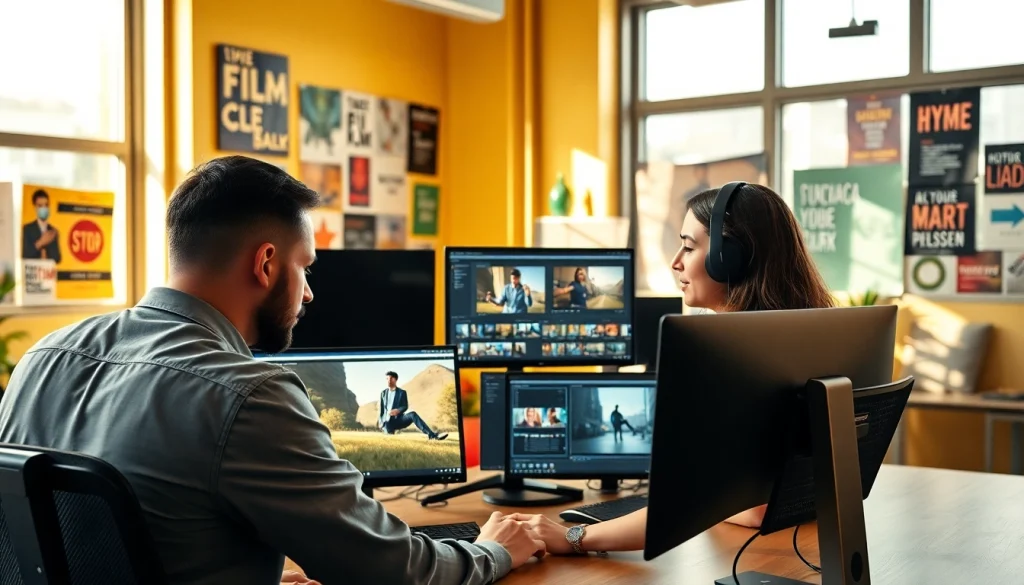
Understanding the Role of Professional Video Editors
Who Are Professional Video Editors?
Professional video editors are skilled individuals specializing in the post-production process of creating visual media. Their expertise involves using aesthetics and technical knowledge to enhance video footage and create cohesive narratives. These editors often work across various platforms, from films and television shows to online content for social media and corporate projects. The complexity and creativity involved in their work require a deep understanding of both the equipment involved and storytelling techniques.
The Importance of Video Editing in Film and Media
Video editing is a crucial component in film and media production. It is the stage where a project truly comes to life, transforming raw footage into a polished final product. The editor not only selects the best takes and cuts them together, but they add visual effects, sound design, and music to enhance the overall viewing experience. This stage is where pacing, transitions, and scene compositions are carefully crafted to convey the intended message or emotion. A project can be made or broken during this phase, making professional video editors invaluable in any production team.
Common Skills and Tools Used by Professional Video Editors
To thrive in their roles, professional video editors must possess a range of technical and creative skills, including:
- Proficiency in Editing Software: Familiarity with tools like Adobe Premiere Pro, Final Cut Pro, and DaVinci Resolve is essential for modern editors.
- Understanding of Cinematic Techniques: Editors should know how to employ various editing techniques, such as jump cuts, fades, and montages, to enhance storytelling.
- Sound Design Knowledge: The ability to integrate sound effects, voiceovers, and music into video projects is crucial for enhancing viewer engagement.
- Attention to Detail: Editing requires meticulous focus on continuity, pacing, and the overall aesthetic to create a seamless viewing experience.
- Collaboration and Communication: Editors often work with directors and producers, requiring good communication skills to understand their visions and feedback.
Finding the Right Professional Video Editors for Your Project
Key Factors to Consider When Hiring
When searching for professional video editors, several factors should be taken into account to ensure a successful partnership:
- Experience and Expertise: Look for editors who have a proven track record in your specific type of content—be it commercials, weddings, or documentaries.
- Specialization: Some editors specialize in specific styles or formats, such as narrative films, corporate videos, or social media content.
- Portfolio Quality: Review their past work to assess their editing style, eye for detail, and how well they understand narrative flow.
- Tools and Technology Knowledge: Ensure they are up-to-date with the latest software and techniques required for your project.
- Personal Fit: Finding an editor whose artistic vision aligns with yours can lead to better collaboration and outcomes.
Where to Look for Skilled Video Editors
Finding skilled video editors can be done through several channels:
- Freelance Platforms: Websites like Upwork and Fiverr provide access to a vast pool of professional video editors, complete with ratings and portfolios.
- Referrals: Asking colleagues or industry peers for recommendations can lead you to reliable editors who have proven their worth.
- Professional Networks: Online forums and associations can be great resources for finding editors with specific qualifications.
- Social Media: Platforms such as LinkedIn and Instagram allow editors to showcase their work, making it easier to spot talent.
Evaluating Portfolios and Past Work Experience
When evaluating potential hires, scrutinizing their portfolios is crucial. A portfolio should demonstrate not only the editor’s technical skills but also their versatility and creativity. Look for:
- Diversity of Work: An editor with a varied portfolio can adapt to different projects and styles.
- Quality Over Quantity: A few standout pieces in their portfolio often speak more than many average works.
- Style Consistency: Ensure the editor’s style resonates with the type of project you envision.
- Client Testimonials: Positive reviews from previous clients can provide insight into an editor’s professionalism and reliability.
Common Video Editing Styles and Techniques
Overview of Popular Editing Techniques
Video editing encompasses various techniques that can fundamentally alter how a narrative is perceived. Some popular editing techniques include:
- Cutting: The most basic form of editing, which involves cutting between clips to create a seamless narrative flow.
- Montage: A collection of short clips shown in quick succession, often used to summarize significant periods or events.
- Jump Cuts: Used to create a sense of urgency or cut out unnecessary content, often seen in vlogs and action films.
- Transitions: Creative ways to move from one scene to another, enhancing visual storytelling through effects like fades or wipes.
- Color Grading: Adjusting the color scheme of footage to evoke certain moods or as part of branding.
How Different Styles Affect the Final Product
The choice of editing style significantly impacts the final product’s tone and message. For instance:
- A documentary may employ a more straightforward editing style to maintain authenticity.
- A music video might use rapid cuts and vibrant colors to create an energetic atmosphere.
- Romantic films often use gentle transitions and soft color grading to evoke emotions.
Understanding how various editing styles affect viewer perception is crucial in shaping a project’s narrative successfully.
Case Studies: Successful Projects by Professional Video Editors
Examining successful projects highlights how effective editing can elevate content quality. For example, the film “Whiplash” utilizes aggressive editing techniques to reflect the intensity of the story, employing rapid cuts and dynamic sound editing. Alternatively, in the documentary “March of the Penguins,” the editing team takes a softer approach to rendering a visually stunning and emotional narrative that resonates deeply with audiences.
Building a Collaborative Relationship with Your Video Editor
Effective Communication Tips
The relationship between a client and their video editor is vital for achieving the desired outcome. Strong communication ensures that both parties are aligned. Here are some tips:
- Be Clear About Your Vision: Articulate your goals, style preferences, and any specific elements you envision in the final product.
- Provide Examples: Sharing references of styles or previous works you admire can help provide context for your vision.
- Regular Updates: Schedule check-ins throughout the editing process to discuss progress and provide feedback.
Setting Expectations and Goals
From the outset, it’s essential to define the project’s scope, timeline, and budget to prevent misunderstandings. Establish clear milestones and deadlines, and be transparent about any constraints that could affect the editing process. This way, the video editor can plan their workflow and resources efficiently.
Receiving and Implementing Feedback
Feedback plays a crucial role in the editing process, but providing it constructively is key. Here are best practices:
- Be Specific: Instead of vague comments, point out precisely what works and what doesn’t.
- Prioritize Feedback: Focus on major issues first, such as narrative coherence and pacing, before nitpicking details.
- Encourage Dialogue: Open the floor to discussions rather than just giving orders; this can lead to creative solutions and improvements.
Cost of Hiring Professional Video Editors
Understanding Pricing Models for Video Editing Services
Video editing costs can vary significantly based on a variety of factors. Some common pricing structures include:
- Hourly Rates: Common among freelancers, the charges can vary based on experience, ranging from $10 to $150 per hour.
- Per Project Rates: Some editors offer flat fees depending on the project’s complexity and length, allowing for a clear budget.
- Retainer Agreements: If ongoing work is anticipated, establishing a retainer can provide a stable cost structure and assure availability.
Average Rates Based on Experience and Project Complexity
According to industry resources, video editing rates generally range as follows:
- Entry-Level: $15 to $30 per hour for less experienced editors.
- Intermediate: $30 to $60 per hour for those with a few years of experience.
- Expert: $60 to $150 or more for highly skilled professionals or specialized projects.
These prices can fluctuate based on project details, including the length of footage, urgency, and required special effects.
Maximizing Your Budget: Getting Value from Professional Video Editors
To get the best value from hiring a professional video editor:
- Define Objectives Early: Knowing what you want from the outset can save time and money in revisions.
- Utilize RoI Metrics: Establish clear indicators of success beforehand, which can justify costs based on outcomes.
- Encourage Creativity: Allowing your editor some creative freedom may lead to innovative solutions that enhance your project.
By understanding the landscape of video editing costs and knowing what to ask of your editor, you can create a productive partnership that leads to high-quality content aligned with your vision.